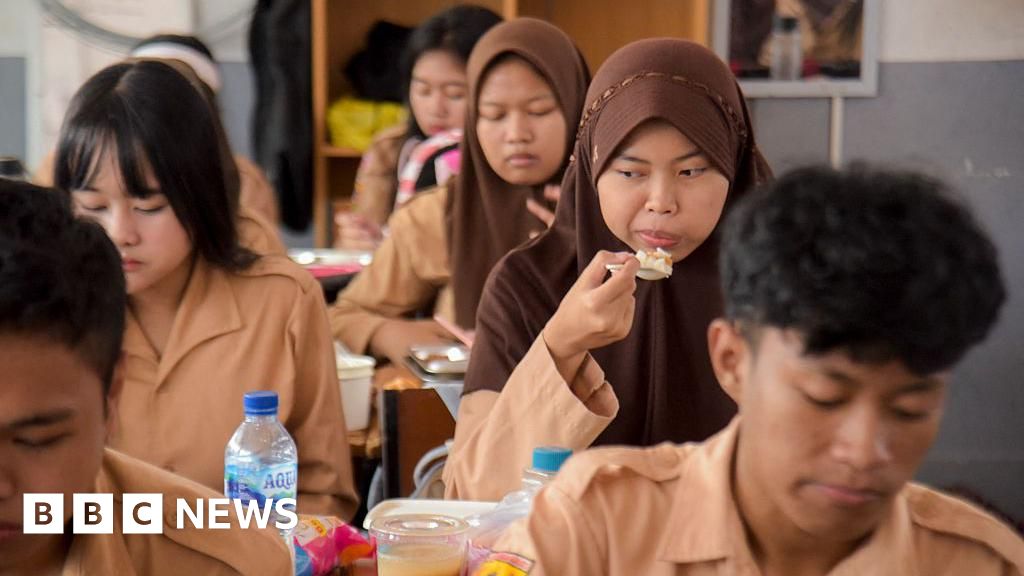
The Indonesian Child Protection Commission (KPAI) has called on the National Food Agency (BGN) to carry out a comprehensive and transparent investigation into the causes of mass poisoning incidents that occurred as a result of the 'Free Meal Program' (MBG) in East Jakarta. The incident, which took place last Thursday, led to the hospitalization of 72 students from four different schools, raising widespread concerns about the safety of food provided to children.
KPAI's Vice President, Jasra Putra, stated that the agency is obligated to announce the results of laboratory tests related to the incident as soon as possible. He emphasized the need to cover all medical treatment costs for the affected children and stressed the importance of taking serious steps to prevent the recurrence of such incidents.
Details of the Incident
The incident occurred within the framework of the 'Free Meal Program,' which aims to provide nutrition to students in schools. Reports of poisoning were received from four schools: SMAN 91, SDN Pondok Kelapa 01, SDN Pondok Kelapa 09, and SDN Pondok Kelapa 07. The affected students were transferred to various hospitals for treatment, where they are currently receiving intensive medical care.
Following the incident, the Child Protection Commission visited the affected schools to assess the situation and ensure the safety of the students. The commission expressed deep concern over the incident and called for the improvement of food safety standards in schools.
Background & Context
School nutrition programs are vital initiatives in Indonesia aimed at improving children's health and enhancing their academic performance. However, incidents like this raise questions about the safety and hygiene standards in the preparation and distribution of meals. Historically, Indonesia has witnessed several similar cases of food poisoning, necessitating a comprehensive review of policies and procedures in this area.
The Indonesian government is striving to enhance the safety of food provided to children, but recurring incidents indicate gaps in the system. A swift and effective response is required to ensure that such incidents do not happen again in the future.
Impact & Consequences
The repercussions of this incident extend beyond the affected schools, raising public concern over food safety in Indonesia. Such incidents can undermine public trust in government programs, prompting parents to reconsider their children's participation in such initiatives. Additionally, the psychological impact on the affected children may be profound, necessitating additional psychological support for them and their families.
Furthermore, this incident may lead to calls for changes in food policies, including improving hygiene and storage standards and increasing oversight of suppliers. It is crucial for the government to respond effectively to these calls to ensure the safety of children in the future.
Regional Significance
Food safety issues are critical concerns that affect all countries, including Arab nations. The importance of exchanging experiences and lessons among countries in this field is highlighted, as Arab nations can benefit from Indonesia's lessons in addressing food poisoning issues. Moreover, enhancing food safety standards in schools can contribute to improving children's health in the region.
In conclusion, the current situation in Indonesia requires a swift and comprehensive response to ensure the safety of children and protect them from health risks. This incident should serve as a catalyst for developing safer and more effective food policies.