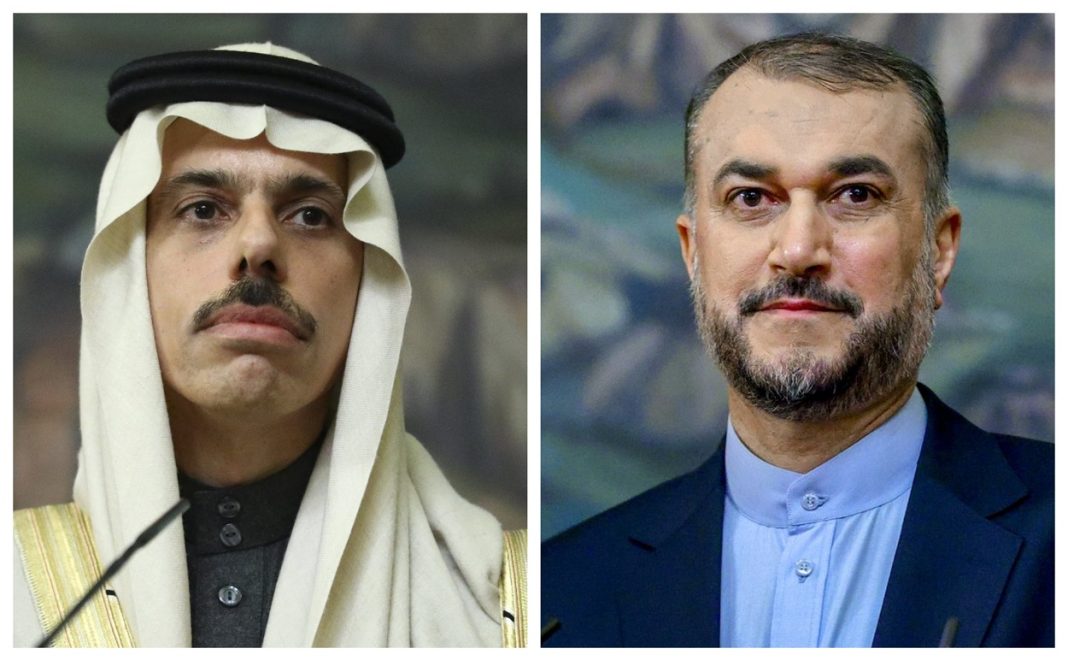
In a move reflecting growing concern over regional tensions, Pakistan's Foreign Minister Bilawal Bhutto Zardari and his Saudi counterpart Prince Faisal bin Farhan stressed the urgent need for de-escalation in the region. This affirmation came during a bilateral meeting held in the capital, Riyadh, where the ministers discussed ways to enhance bilateral cooperation and coordinate efforts to face common challenges.
The Pakistani minister emphasized the importance of dialogue as a means to resolve disputes, pointing out that military escalation would only exacerbate the situation. For his part, the Saudi minister reaffirmed his country's commitment to supporting regional stability, noting that cooperation among Islamic nations is a fundamental step towards achieving peace.
Details of the Meeting
The meeting took place at a sensitive time marked by increasing tensions in the region, particularly amid the political and security crises affecting several countries. The discussions also addressed economic and security issues of mutual concern, with an agreement reached to enhance cooperation in trade and investment.
The two ministers also discussed the challenges facing the Islamic world, including developments in Afghanistan and security threats in the Middle East. Both sides expressed readiness to cooperate in counter-terrorism efforts and enhance regional security.
Background & Context
This call for de-escalation comes at a time when the Islamic world is experiencing numerous crises, with rising fears of escalating armed conflicts. Historically, Pakistan and Saudi Arabia have been strategic allies, with their relations dating back decades, and Riyadh has played a significant role in supporting Pakistan during economic and political crises.
In recent years, the region has witnessed radical changes, with conflicts in Yemen and Syria escalating, impacting the security and stability of neighboring countries. Therefore, cooperation between Pakistan and Saudi Arabia is vital to address these challenges.
Impact & Consequences
The foreign ministers' call for de-escalation could have positive implications at the regional level, potentially contributing to the alleviation of tensions and fostering dialogue among nations. Additionally, strengthening cooperation between Pakistan and Saudi Arabia may open new avenues for collaboration in various fields, including economics and security.
On the international stage, this call could influence the political stances of major powers regarding the crises in the region, encouraging diplomatic steps to resolve conflicts. Stability in the region is essential for achieving global security.
Regional Significance
Considering the current situation in the Arab world, the foreign ministers' call for de-escalation reflects an urgent need for cooperation among Arab and Islamic countries. The tensions in the region directly affect the security and stability of Arab nations, necessitating intensified joint efforts.
Moreover, enhancing relations between Pakistan and Saudi Arabia could contribute to the formation of new alliances in the region, positively impacting peace and stability efforts. Dialogue and cooperation are the primary means to overcome current crises.
In conclusion, there is hope that this call will lead to practical steps towards de-escalation and enhanced stability in the region, contributing to the desired peace.