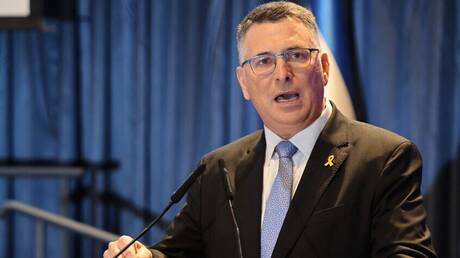
Israeli Foreign Minister Gideon Sa'ar has called on countries to take measures to expel Iranian ambassadors from their territories during a briefing held with foreign diplomats accredited in Israel. Sa'ar emphasized that this step is part of confronting Iranian activities, which he described as hostile and threatening to security and stability in the region.
Sa'ar pointed out that Iran poses a threat not only to Israel but also to other countries in the region and the world. He considered the presence of Iranian ambassadors in other countries as support for Iranian policies that destabilize the region.
Details of the Event
During the briefing, Sa'ar stressed the importance of uniting international efforts to confront Iranian threats. He noted that many countries have already begun to reassess their relations with Iran in light of the escalating military and political activities of Tehran in the region. Sa'ar also called for concrete steps from the international community to pressure Iran to stop its interventions in the internal affairs of other countries.
This call comes at a sensitive time, as the region is witnessing increasing tensions between Iran and its allies on one side and Arab countries and Israel on the other. Some Arab countries have expressed their willingness to cooperate with Israel in confronting Iranian threats, reflecting a change in regional dynamics.
Context and Background
Historically, relations between Iran and Arab countries have been tense, especially after the Islamic Revolution in 1979. Arab countries have viewed Iran as seeking to expand its influence in the region by supporting armed groups such as Hezbollah in Lebanon and the Houthis in Yemen. Additionally, the Iranian nuclear program is a major point of contention between Iran and the West, complicating relations further.
In recent years, the region has witnessed significant transformations, with some Arab countries beginning to establish diplomatic relations with Israel, which some view as a step towards enhancing regional cooperation to face common threats.
Consequences and Impact
Sa'ar's call to expel Iranian ambassadors could lead to heightened tensions between Iran and the countries that respond to this call. This step may also affect diplomatic relations between Arab countries and Iran, increasing divisions in the region. Should countries respond to this call, it could weaken Iran's position and increase its international isolation.
On the other hand, this escalation may provoke reactions from Iran, which may view this step as a declaration of diplomatic war. Iran is likely to take countermeasures, further complicating the security situation in the region.
Impact on the Arab Region
This call serves as a test for relations between Arab countries and Iran. While some Arab nations seek to enhance cooperation with Israel, there remain forces within the region that support Iran and oppose any steps that may escalate tensions. Therefore, the reactions to this call could determine the future of regional relations.
In conclusion, the Israeli Foreign Minister's call highlights a new step in the ongoing conflict between Iran and Arab countries. As tensions rise, the question remains how countries will respond to this call and its impact on security and stability in the region.