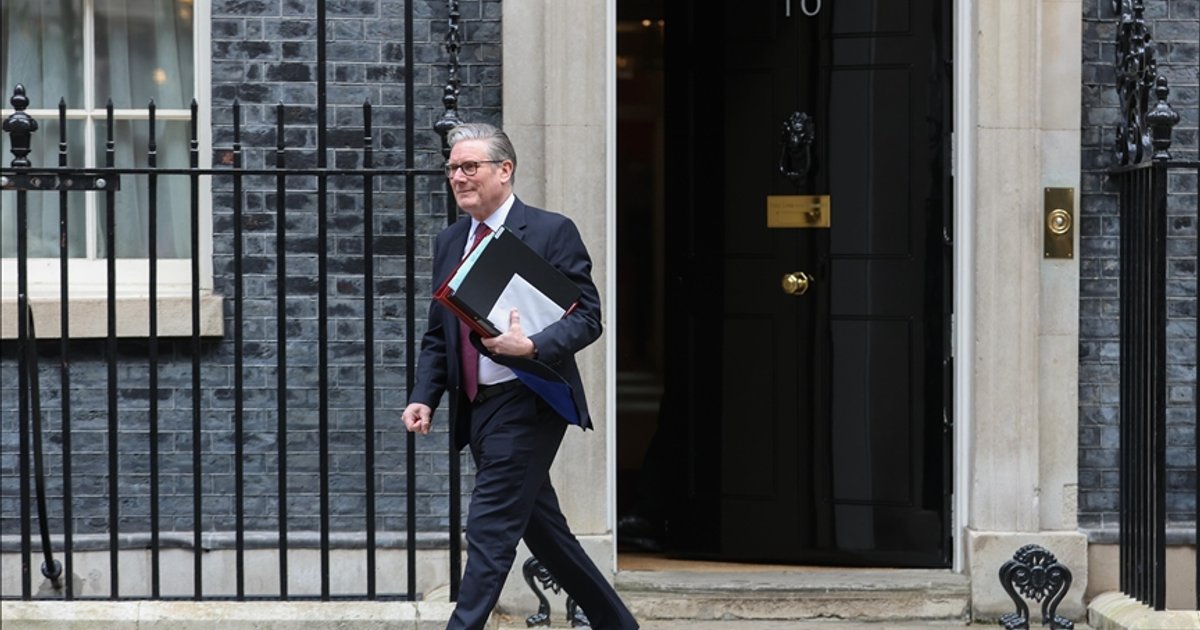
British Prime Minister Keir Starmer asserted that the British government requires joint efforts from both the public and private sectors to confront the economic challenges arising from the Iranian conflict. This statement was made during a meeting with leaders from the energy, shipping, finance, and insurance sectors, where Starmer pointed out that the ongoing rise in oil prices and the disruptions in the Strait of Hormuz pose a real threat to both the British and global economies.
Starmer clarified that the government cannot face these crises alone, necessitating a united effort among various sectors. Recently, oil prices have seen a significant increase, affecting the cost of living and the economy in general. Additionally, the disturbances in the Strait of Hormuz, which is one of the most critical maritime routes for oil transport, have exacerbated this crisis.
Details of the Meeting
During the meeting, a range of challenges faced by different sectors due to the Iranian conflict was discussed. Participants noted that disruptions in the Strait of Hormuz could lead to increased shipping costs, negatively impacting the prices of goods and services. The importance of enhancing cooperation between the government and private companies to ensure market stability was also highlighted.
Starmer also called for the necessity of establishing long-term strategies to deal with future crises, indicating that collective action could help mitigate economic risks. The importance of investing in alternative energy sources to reduce dependence on oil was emphasized as well.
Background & Context
Historically, the Strait of Hormuz has witnessed numerous conflicts that have affected maritime navigation and global trade. This strait is a vital point for oil transport, through which approximately 20% of the world's total oil passes. The Iranian conflict, which has escalated in recent years, has led to increased tensions in the region, impacting global markets.
These statements come at a sensitive time, as the global economy faces significant challenges due to the COVID-19 pandemic and its repercussions. Furthermore, geopolitical tensions in the region contribute to increased instability, necessitating urgent steps to address these crises.
Impact & Consequences
The repercussions of the Iranian conflict extend beyond British borders, affecting the economies of many countries. The rise in oil prices may lead to increased living costs, putting additional pressure on families and businesses. Moreover, instability in the region can impact foreign investments, negatively reflecting on economic growth.
It is crucial for major countries to collaborate to face these challenges, as individual solutions may not be sufficient. There must be a coordinated international response to ensure market stability and protect economic interests.
Regional Significance
For the Arab region, the Iranian conflict and its impact on oil prices represent a significant challenge. Many Arab countries heavily rely on oil revenues, and any increase in prices may affect their budgets. Additionally, tensions in the region could exacerbate economic and social crises.
Therefore, cooperation between Arab countries and Western nations in this context is essential to ensure market stability. There should be joint strategies to address economic crises, including enhancing investment in renewable energy and developing alternatives to oil.
In conclusion, the Iranian conflict poses a significant challenge not only for Britain but for the entire world. Cooperation between the public and private sectors is a fundamental step in addressing these crises, and a coordinated response is necessary to ensure global economic stability.