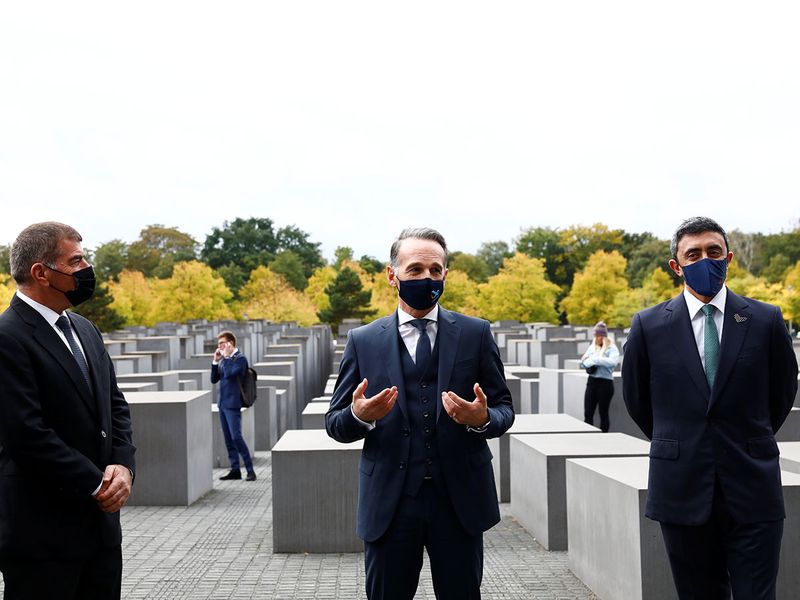
The Israeli Ambassador to Germany, Ron Prosor, has advocated for making visits to Nazi concentration camp sites mandatory for students. He emphasized that these visits can contribute to correcting biases and enhancing historical understanding among new generations.
During a press conference, Prosor expressed his confidence that personal encounters and experiences with history can play a crucial role in shaping the awareness of youth. He pointed out that learning about the atrocities that occurred during the Nazi era can help in building a more tolerant and understanding society.
Details of the Initiative
This call comes at a time when concerns are growing about the rise of anti-Semitic sentiments in Europe, where many European countries have witnessed an increase in anti-Semitic incidents. The ambassador noted that education is one of the fundamental tools to combat this phenomenon.
Prosor also mentioned that visiting the camps is not merely an educational experience but an opportunity for reflection on history and learning from past mistakes. He stressed the importance of students having the chance to see these sites for themselves, which could contribute to changing their perspectives.
Background & Context
Historically, Nazi concentration camps were part of the atrocities witnessed in Europe during World War II, where millions of Jews and other minorities were detained. These policies resulted in the deaths of approximately six million Jews, making this period one of the darkest in modern history.
In recent years, many European countries have begun to reassess how these chapters of history are taught, seeking to enhance awareness and understanding among new generations. Visiting the camps is considered part of these efforts, with school trips organized to these sites to educate students about the atrocities that occurred.
Impact & Consequences
The Israeli ambassador's call is seen as an important step in promoting education about the Holocaust and may contribute to changing educational policies in Germany and other countries. If this idea is implemented, it could lead to increased historical awareness among youth, potentially reducing biases and prejudices.
On the other hand, this call may face some opposition from those who believe that imposing such visits could be inappropriate or provoke negative feelings. Nonetheless, the discussion on how to deal with history is considered essential at this time.
Regional Significance
In the Arab context, this call may spark discussions on how to deal with history and collective memory. While many Arab countries struggle with issues related to historical memory, Germany's experience in confronting its past could serve as an important lesson.
This initiative could help foster dialogue about the importance of historical education in the region and how it can assist in building more tolerant and understanding societies. Enhancing historical awareness may be a step towards achieving peace and understanding among different cultures.