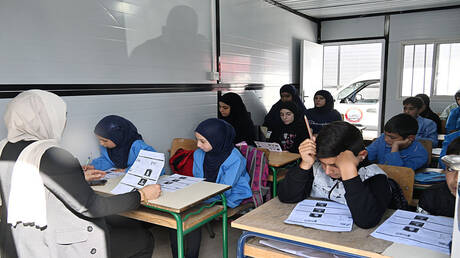
Amid the ongoing Israeli military escalation in southern Lebanon, the Educational Office of the Amal Movement and the Educational Mobilization of Hezbollah have issued urgent calls for radical changes in the educational system. They emphasized the necessity of postponing high school exams and canceling the intermediate certificate to protect students and alleviate psychological pressures during these difficult circumstances.
These demands come at a time when southern Lebanon is experiencing military escalation, significantly affecting the daily lives of residents, especially students preparing for exams. Officials from both movements indicated that the current conditions make it challenging for students to focus on their studies, necessitating immediate actions to safeguard their educational future.
Details of the Situation
In a joint statement, the Educational Office of the Amal Movement and the Educational Mobilization of Hezbollah affirmed that the deteriorating security situation in the south requires a prompt response from the relevant authorities. The statement noted that students are living in a state of anxiety and fear, negatively impacting their academic performance. It also stressed the importance of providing a safe and stable educational environment for students during these trying times.
The demands also include the cancellation of the intermediate certificate, as officials believe this certificate does not accurately reflect students' levels under the current circumstances. They argue that the focus should be on providing psychological and educational support to students rather than pressuring them to take exams that may be unfair under these conditions.
Background & Context
Historically, Lebanon has witnessed numerous political and security crises that have impacted the educational system. With rising tensions in the region, it has become essential to reassess how education is managed in the country. The recent Israeli aggression against Lebanon adds a new layer of complexity, as students are facing unprecedented pressures.
The Amal Movement and Hezbollah are among the major political forces in Lebanon and have significant influence over educational policies. They have previously initiated similar measures in response to crises, reflecting their commitment to protecting students' rights to education.
Impact & Consequences
If the movements' demands are met, it could lead to significant changes in the Lebanese educational system. Postponing exams and canceling the intermediate certificate may open the door for a comprehensive review of the curriculum and teaching methods. This could also help alleviate psychological pressures on students, allowing them to focus on learning instead of worrying about exams.
However, these demands may face resistance from some parties who believe that postponing exams could negatively affect education in Lebanon in the long term. Therefore, it is crucial for dialogue to occur among all stakeholders to reach solutions that balance protecting students with ensuring the continuity of education.
Regional Significance
The situation in Lebanon mirrors the challenges faced by many Arab countries amid political and economic crises. A swift response to educational needs in Lebanon could serve as a model for other nations experiencing similar conditions. Furthermore, enhancing education during times of crisis can contribute to building more stable and resilient communities.
In conclusion, education remains one of the most critical issues that must be prioritized during crises. Protecting students' rights and providing a safe educational environment should be of utmost importance, especially given the difficult circumstances Lebanon is currently facing.