A former U.S. National Security Advisor has emphasized that regime change in Iran is the only solution to the ongoing challenges the country faces, noting that the current situation requires radical steps for change. These remarks come at a time when Iran is experiencing both internal and external tensions, complicating the political and economic landscape.
Calls for regime change in Iran are increasing amid the multiple crises the country is suffering from, including economic, social, and political crises. The advisor pointed out that the current regime is no longer able to meet the needs of the Iranian people, necessitating consideration of new alternatives.
Details of the Event
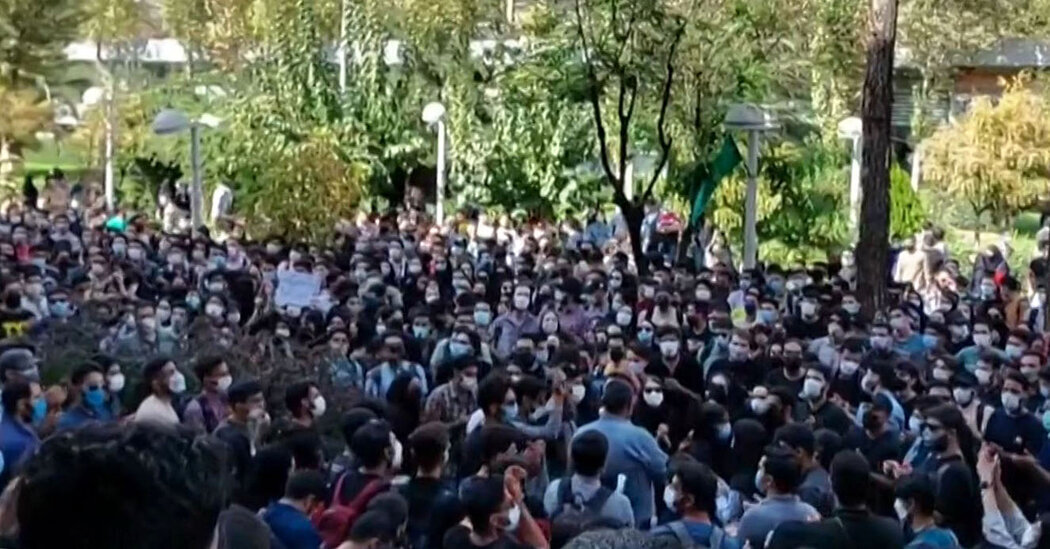
The statements from the former U.S. National Security Advisor come at a sensitive time, as Iran witnesses growing public protests against the government due to deteriorating economic conditions and rising unemployment rates. Reports have shown that the poverty rate has significantly increased, leading to heightened public discontent.
Furthermore, Iran's relations with Western countries, particularly the United States, have seen notable tensions, with both nations exchanging accusations regarding nuclear policies and regional interventions. The advisor indicated that regime change could open doors for improving relations with the West, which would benefit the Iranian people.
Background & Context
Historically, Iran has undergone numerous political changes, starting with the Islamic Revolution in 1979, which led to the establishment of the Islamic Republic. Since then, the regime has faced both internal and external challenges, including economic sanctions imposed by the United States and other nations.
Iran is considered one of the key players in the Middle East, playing an important role in regional politics. However, the internal policies of the current regime have led to widespread dissatisfaction among citizens, raising questions about the sustainability of this regime in the future.
Impact & Consequences
If regime change occurs in Iran, it could lead to radical changes in regional politics. This might pave the way for new alliances and alter the balance of power in the region. Additionally, it could impact the Iranian economy, which is already suffering from sanctions and internal challenges.
On the other hand, regime change could initially lead to further instability, as tensions may escalate among various factions within Iran. Therefore, any change must be approached with caution to ensure that security conditions do not worsen.
Regional Significance
Iran is a major player in Arab politics, directly influencing many regional issues, including the conflicts in Syria, Iraq, and Yemen. If a regime change occurs in Iran, the dynamics of alliances in the region may shift, affecting security and stability in neighboring countries.
Moreover, regime change could open the door for a new dialogue between Arab nations and Iran, potentially contributing to alleviating historical tensions between the two sides. However, this requires a clear vision and political will from all parties involved.
In conclusion, the prospect of regime change in Iran remains a contentious topic that necessitates deep study and careful analysis of the potential consequences. The situation in Iran directly impacts the region, and a thoughtful response from the international community is essential.