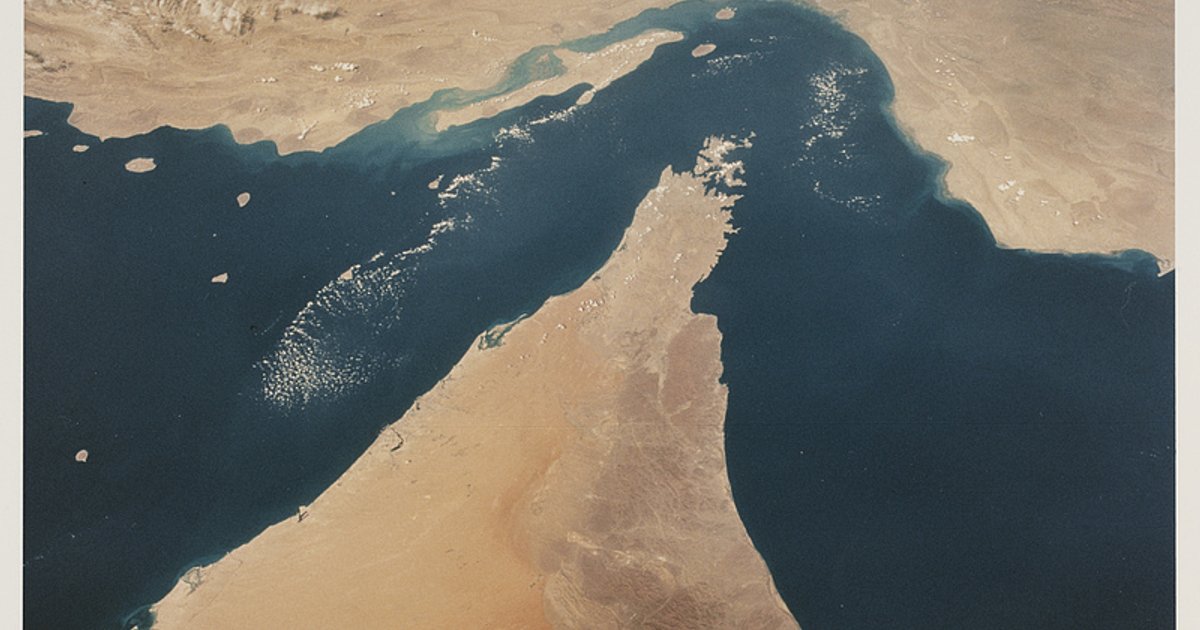
A Qatari Foreign Ministry spokesperson emphasized that the issue of security in the Hormuz Strait requires regional consensus to ensure the safety of maritime traffic through this vital passage. These statements come at a time when the region is experiencing increasing tensions, raising concerns about the stability of maritime navigation.
The Hormuz Strait is considered one of the most important maritime passages in the world, through which approximately 20% of the total global oil exports pass. Therefore, any threat to the security of this strait could significantly impact global markets and oil prices.
Details of the Statement
The Qatari spokesperson made these remarks during a press conference, highlighting the importance of cooperation among the countries bordering the strait to ensure its security and stability. He explained that the current tensions in the region necessitate an open dialogue among all concerned parties.
He also called for the need to enhance regional cooperation mechanisms, stressing that security in the Hormuz Strait can only be achieved through joint efforts. He confirmed that Qatar is ready to contribute to any initiative aimed at enhancing security and stability in the region.
Background & Context
Historically, the Hormuz Strait has witnessed numerous crises and tensions, especially amid political and military conflicts among regional countries. In recent years, tensions between Iran and the United States have escalated, increasing concerns about the security of navigation in the strait.
Qatar is considered one of the countries striving for stability in the region and has played an important role in mediating between various parties. These statements are part of Qatar's efforts to promote dialogue and regional cooperation.
Impact & Consequences
If a regional consensus on the security of the Hormuz Strait is not reached, current crises may worsen, leading to increased military tensions. This could directly affect oil prices and global markets, as any disruption in oil supplies from the region would have severe consequences.
Moreover, the continuation of tensions could lead to an escalation of military conflicts, increasing the risk of new conflicts in the region. Therefore, dialogue and regional cooperation are vital to avoid these scenarios.
Regional Significance
The Arab region, in general, is prone to political and military tensions, and any escalation in the Hormuz Strait could impact neighboring countries. This may lead to an influx of refugees and increased humanitarian crises in adjacent nations.
Furthermore, the stability of the Hormuz Strait is crucial for Arab economies, as many countries rely on oil exports. Thus, enhancing security in this strait would have a positive impact on economic stability in the region.
In conclusion, the importance of regional cooperation in ensuring the security of the Hormuz Strait is highlighted, as any escalation of tensions could lead to dire consequences at both the regional and international levels. Concerned countries must work together to achieve stability and security in this vital area.