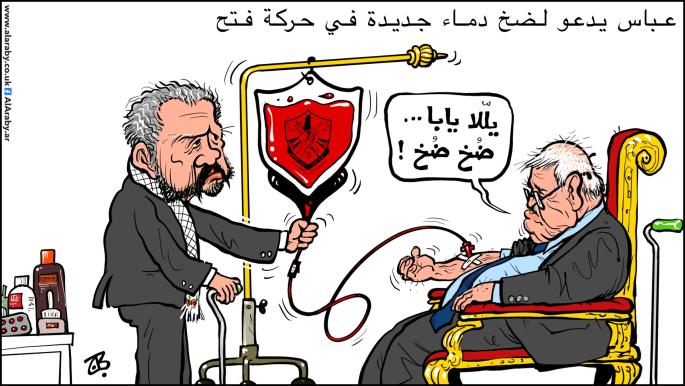
Palestinian President Mahmoud Abbas emphasized the necessity of injecting new blood into the Fatah movement, highlighting the importance of renewing leadership to enhance national work. This call arises during a sensitive period that requires Palestinians to unify their ranks to confront ongoing challenges.
In statements made during a meeting with members of the movement's Central Committee, Abbas pointed out that Fatah needs to rejuvenate its ranks by incorporating young and qualified individuals capable of presenting new ideas and a forward-looking vision. He stressed that this renewal is not merely an option but an urgent necessity to address the political and social challenges facing the Palestinian people.
Details of the Event
Abbas's call comes amid difficult circumstances surrounding the Palestinian cause, with increasing pressures from the Israeli occupation and a decline in international support. Abbas expressed concern over the diminishing role of Fatah in the Palestinian arena, emphasizing the importance of restoring trust between the movement and the public.
He also highlighted the importance of involving youth in decision-making processes, as they possess the capacity for innovation and change. Abbas affirmed the need to develop training programs for young people to empower them to take on leadership responsibilities in the future.
Background & Context
The Fatah movement was established in 1965, and since then, it has played a crucial role in the Palestinian struggle. Over time, the movement has faced numerous challenges, including internal divisions and a decline in popular support. Recent years have seen a rise in criticisms directed at the movement's leadership, prompting Abbas to take serious steps towards change.
This call is part of Abbas's efforts to rebuild the movement and enhance its standing in the Palestinian arena. It also comes at a time when there is increasing discussion about the necessity of unity among various Palestinian factions to confront the occupation.
Impact & Consequences
If Abbas's call is effectively implemented, it could lead to positive changes within the Fatah movement, enhancing its ability to regain public trust. Additionally, introducing young members may contribute to refreshing ideas and attracting new segments of the Palestinian youth.
However, the greatest challenge remains how to achieve this renewal amid complex political circumstances. Internal and external challenges may hinder Abbas's efforts, necessitating effective strategies to overcome these obstacles.
Regional Significance
The Palestinian cause is one of the central issues in the Arab region, and any changes within the Fatah movement could impact the political landscape in neighboring countries. Abbas's success in renewing the movement could strengthen the Palestinians' position in negotiations with the occupation and restore hope for achieving peace.
Furthermore, enhancing Palestinian unity could have positive effects on relations with Arab countries, potentially leading to greater support for the Palestinian cause on the international stage.
In conclusion, Abbas's call for new blood in the Fatah movement represents an important step towards change, but the success of this initiative depends on the movement's ability to overcome current challenges and regain public trust.