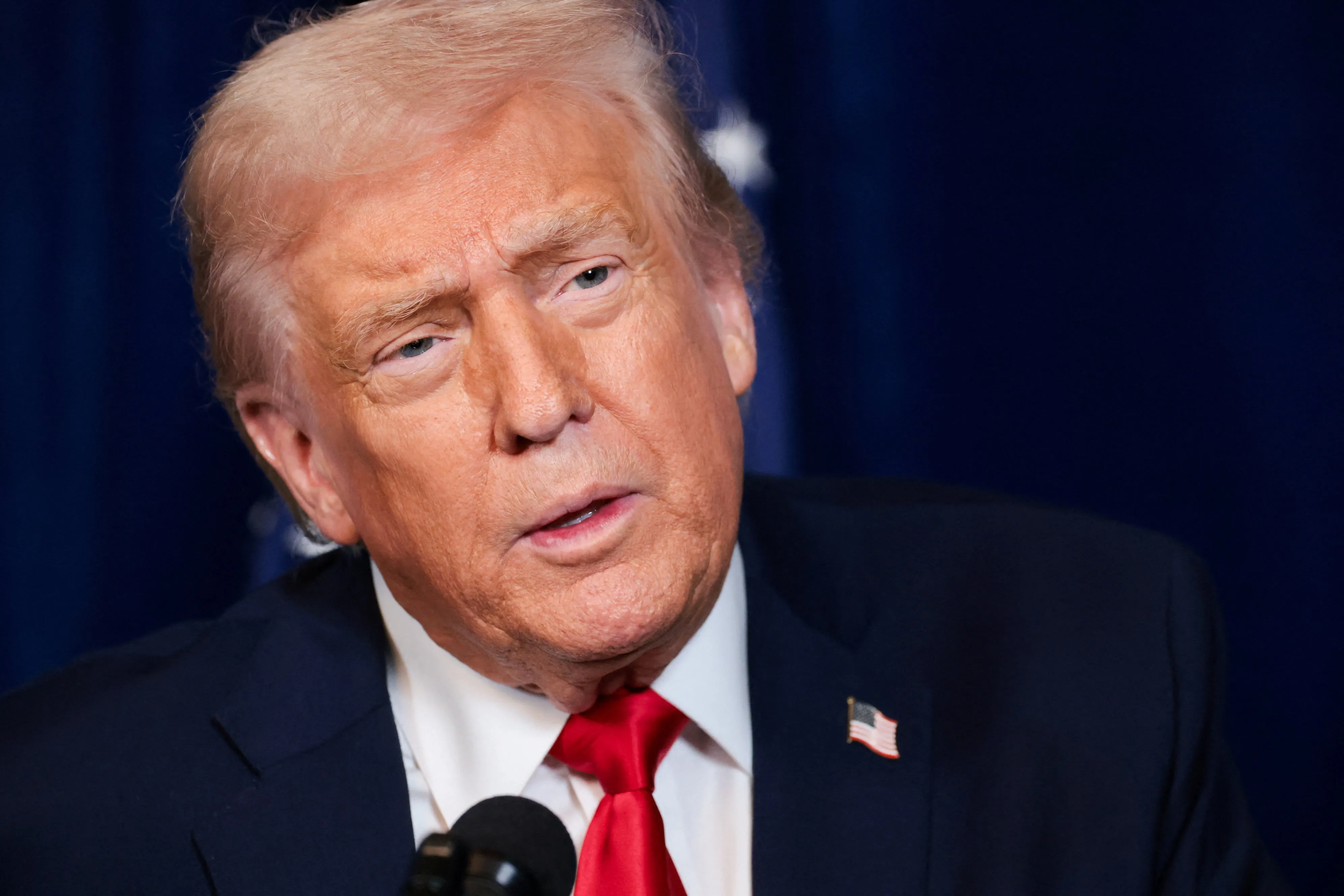
A recent poll conducted by the Associated Press and NORC shows that former President Donald Trump is experiencing growing difficulties in retaining support among Republicans, despite still enjoying significant popularity in some areas. The survey, which included a broad sample of Republican voters, revealed a divergence of opinions regarding his performance and positions on political and social issues.
The results indicate that Trump faces particular challenges on economic issues and foreign policy, with a number of Republican voters expressing concerns about the impact of his policies on the American economy. Conversely, he continues to enjoy strong support from his base, who believe that Trump represents their true voice in facing current challenges.
Poll Details
According to the poll, approximately 60% of Republican voters expressed dissatisfaction with the way Trump has handled economic issues, while 75% supported his immigration policies. This gap reflects a division within the Republican Party regarding how to address the pressing issues facing the country.
The poll also noted that Trump still retains considerable popularity among voters who believe his policies have been successful in enhancing national security. However, this popularity is being tested as the next presidential election approaches, with Republicans looking to other candidates who may offer a new vision for the party.
Background & Context
Historically, Trump has faced numerous challenges during his presidency, with his policies often being the subject of widespread controversy. After leaving the White House, the debate surrounding his legacy and impact on the Republican Party continued. Previous polls have shown a variation in support for Trump, reflecting changes in the public mood among voters.
In recent years, the Republican Party has witnessed a clear divide between Trump supporters and opponents, leading to the emergence of new factions within the party. This division could significantly affect the outcomes of upcoming elections, as Republicans strive to unify their ranks to face the Democrats.
Impact & Consequences
The results of this poll serve as an important indicator of how Trump may influence the future of the Republican Party. If the division between his supporters and opponents continues, it could lead to a decline for the party in the next elections. On the other hand, if Trump can successfully reunite the party around his vision, he may achieve significant success.
The challenges Trump faces could open the door for other candidates within the party, potentially leading to radical changes in the American political landscape. These dynamics may also impact both domestic and foreign policies of the United States in the coming years.
Regional Significance
The American elections are significant for the Arab region, as U.S. policies directly affect regional issues. If Trump can maintain his support among Republicans, he may continue to adopt policies that impact American relations with Arab countries.
Conversely, if the elections result in a shift in leadership, U.S. policies towards the region may change, prompting Arab nations to reassess their strategies. Ultimately, the impact of the American elections on the Arab region remains a critical issue that requires close monitoring.