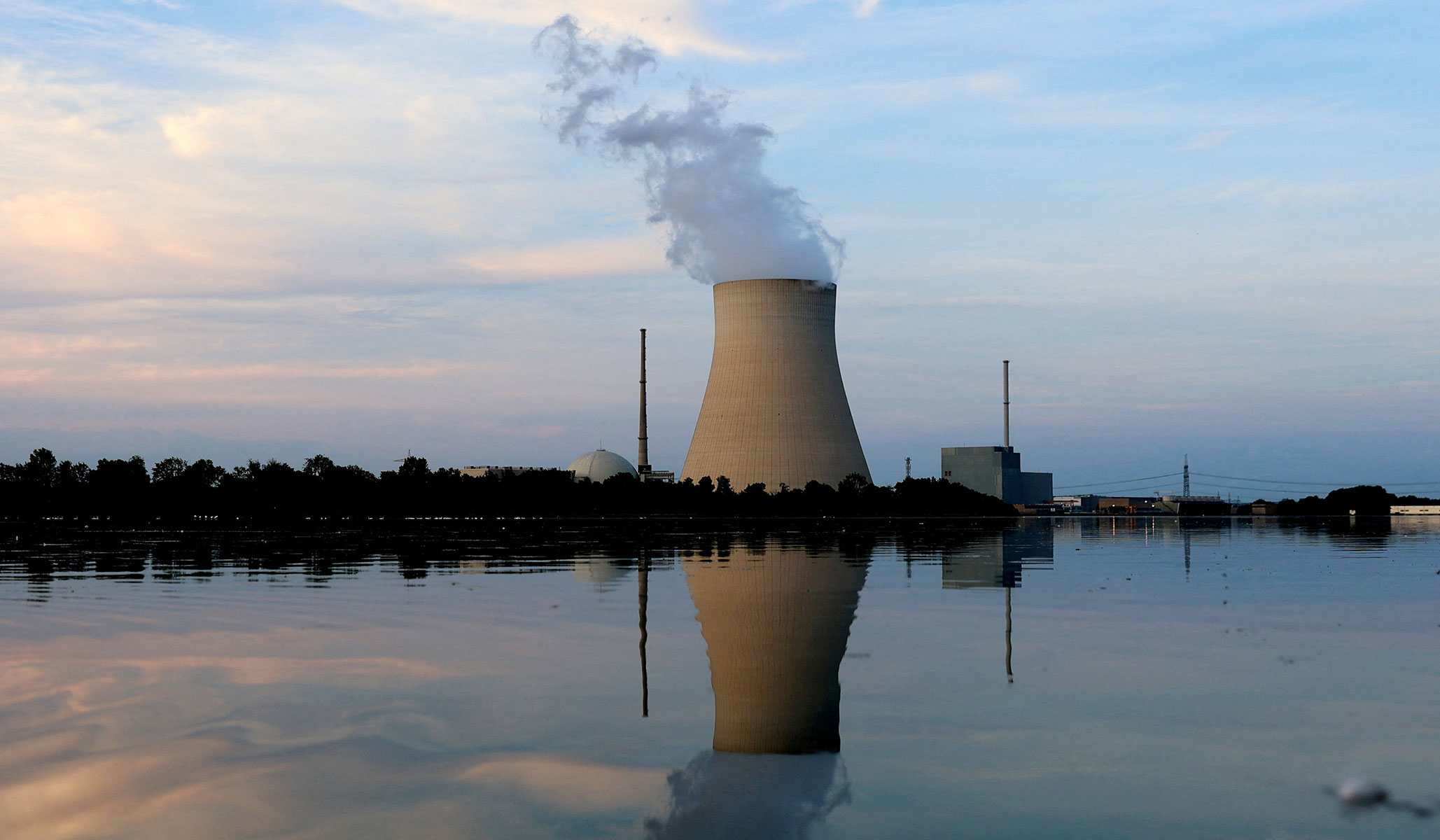
German Minister of Economy and Energy, Katharina Reich, has called for a reassessment of the government's nuclear energy policy, citing risks from reliance on gas. Her remarks, made on Wednesday, highlighted that the rising prices of oil and gas pose an additional burden on German industries already under significant pressure.
In an interview with the Financial Times, Reich stated, "Gas is the primary remaining source to secure our supplies, and there is no other political alternative." These comments come at a sensitive time for Germany, which is striving to secure energy supplies amidst escalating geopolitical tensions in the region.
Event Details
Concerns are growing in Germany about excessive reliance on gas, especially given the sharp increase in prices due to global events. Earlier, Reich confirmed that energy supplies in Germany remain secure, with reduced dependence on Gulf countries for gas imports. However, the current situation necessitates a comprehensive reassessment of energy policies, including nuclear energy.
It is noteworthy that Germany has taken bold steps towards closing nuclear power plants as part of its energy transition policy aimed at reducing dependence on fossil fuels and promoting renewable energy sources. Nevertheless, the current situation may impose new challenges that require rethinking these policies.
Background & Context
Historically, Germany has been a leading country in renewable energy, having invested heavily in solar and wind energy. However, recent events, including attacks by the United States and Israel on Iran, have heightened tensions in the Gulf region, impacting global energy supplies.
At the end of February, the United States and Israel launched attacks on targets in Iran, leading to military responses from Tehran. This escalation in tensions effectively closed the Strait of Hormuz, the main corridor for exporting oil and gas from Gulf countries to global markets, further increasing pressure on energy prices.
Impact & Consequences
Many analyses predict that these developments will lead to a sharp increase in energy prices, directly affecting the German economy. Industries heavily reliant on energy will face significant challenges, potentially leading to reduced production and increased prices for consumers.
Moreover, reconsidering nuclear energy policy may open the door to new discussions on how to balance energy security with environmental sustainability. It may be necessary for Germany to reassess its energy strategies to meet its growing energy needs.
Regional Significance
The Arab region is significantly affected by changes in global energy policies, especially given its heavy reliance on oil and gas exports. Rising energy prices could impact the economies of Gulf countries, which depend heavily on oil revenues.
Additionally, tensions in the Gulf region may lead to a reevaluation of energy strategies in Arab countries, potentially contributing to enhanced regional cooperation in renewable energy and clean technology.
In conclusion, Germany appears to be facing significant challenges in the energy sector, necessitating bold steps to reassess its energy policies. These developments could have a substantial impact on the global energy market, prompting Arab countries to closely monitor the situation.