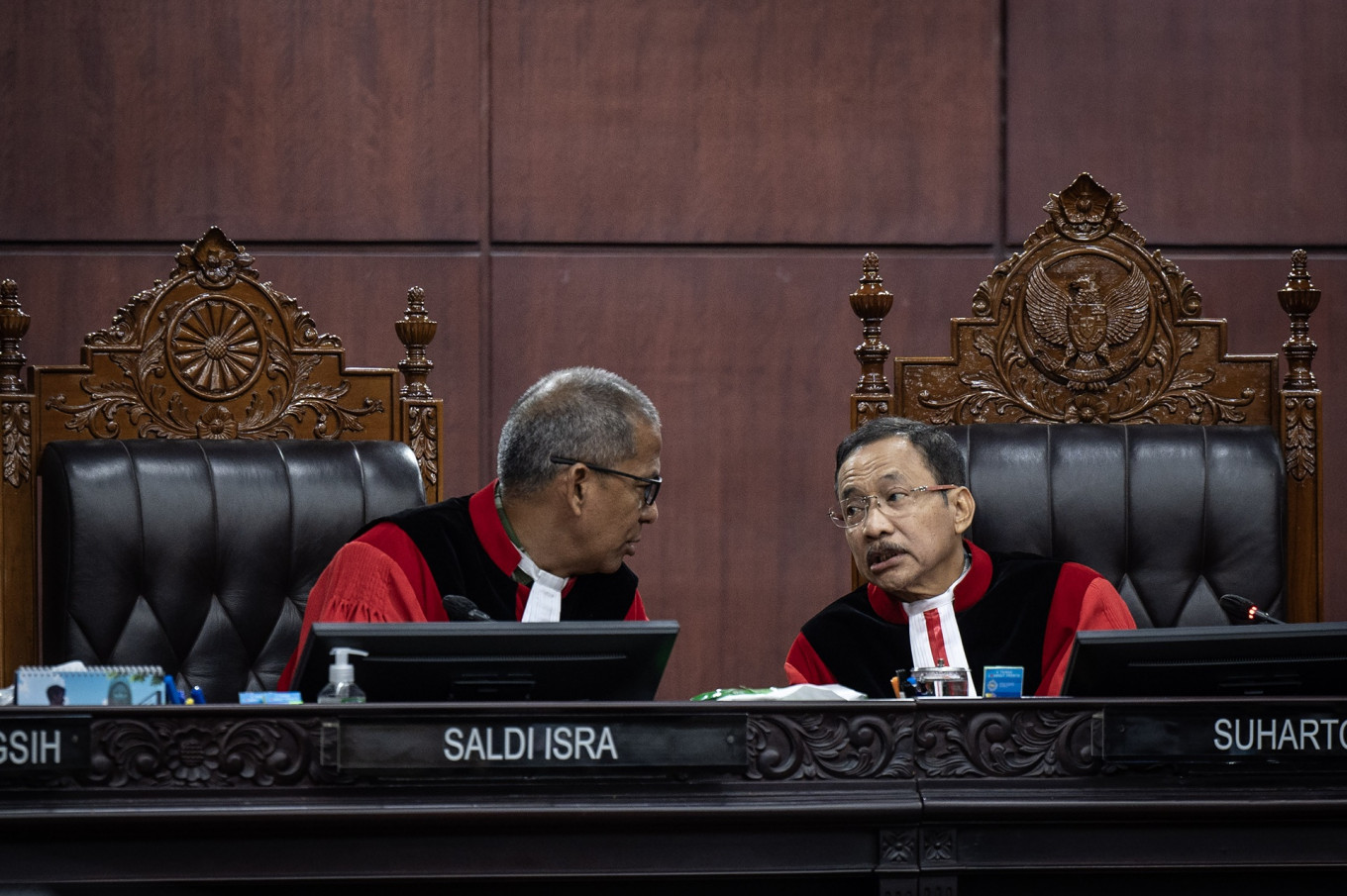
In a controversial move, Indonesian parliament member Abdullah has called for strict penalties against prosecutors in Karo, North Sumatra, due to their interference in the case of photographer Amel Situbo. This case has sparked widespread debate in legal and media circles, with accusations that the prosecution influenced the court's decision regarding Situbo's release.
Abdullah, speaking at the parliament complex in Jakarta, emphasized that the prosecution's interference in Situbo's case, who was sentenced by the Medan court, constitutes a violation of the principles of justice. He pointed out that such actions reflect a culture of intolerance towards criticism among certain elements of the judicial system, which contradicts the principles of democracy and freedom of expression.
Details of the Incident
The details of the case trace back to the Karo prosecutor's office issuing a letter that included interventions in the decision to release Situbo, which sparked widespread discontent among parliament members and civil society. Abdullah deemed this type of interference a threat to the rule of law and indicative of the judiciary's inability to adapt to modern demands.
He further added that such actions could lead to a loss of trust in state institutions, noting that the continuation of these practices might create a crisis of confidence between citizens and judicial authorities, negatively impacting societal stability.
Background & Context
Historically, Indonesia has witnessed numerous controversial cases related to political interference in the judiciary. These cases have led to repeated calls for judicial reform and the enhancement of its independence. In recent years, multiple issues related to corruption and abuse of power have emerged, making it essential to reconsider how the prosecution operates.
The case of Amel Situbo is part of this broader context, reflecting the challenges Indonesia faces in achieving justice and equality before the law. With increasing public awareness of human rights and freedom of expression, pressure is mounting on the government to improve the performance of its judicial institutions.
Impact & Consequences
The ramifications of the Situbo case extend beyond local boundaries, potentially affecting Indonesia's image as a democratic state that respects human rights. If these practices continue, it could lead to a decline in trust in the judiciary, adversely impacting foreign investments and international relations.
Moreover, failing to address these issues may foster a culture of impunity, where individuals feel unprotected from abuses of power. This could contribute to the spread of corruption and weaken the state's ability to achieve justice.
Regional Significance
The Situbo case serves as an example of the challenges facing judicial systems in many countries, including some Arab nations. Many of these countries grapple with similar issues related to corruption and political interference in the judiciary. Strengthening judicial independence is crucial to ensuring justice and equality before the law.
Ultimately, the case of Amel Situbo represents a call to reflect on how to enhance the judicial system in Indonesia and other countries, ensuring the protection of individual rights and bolstering trust in state institutions.