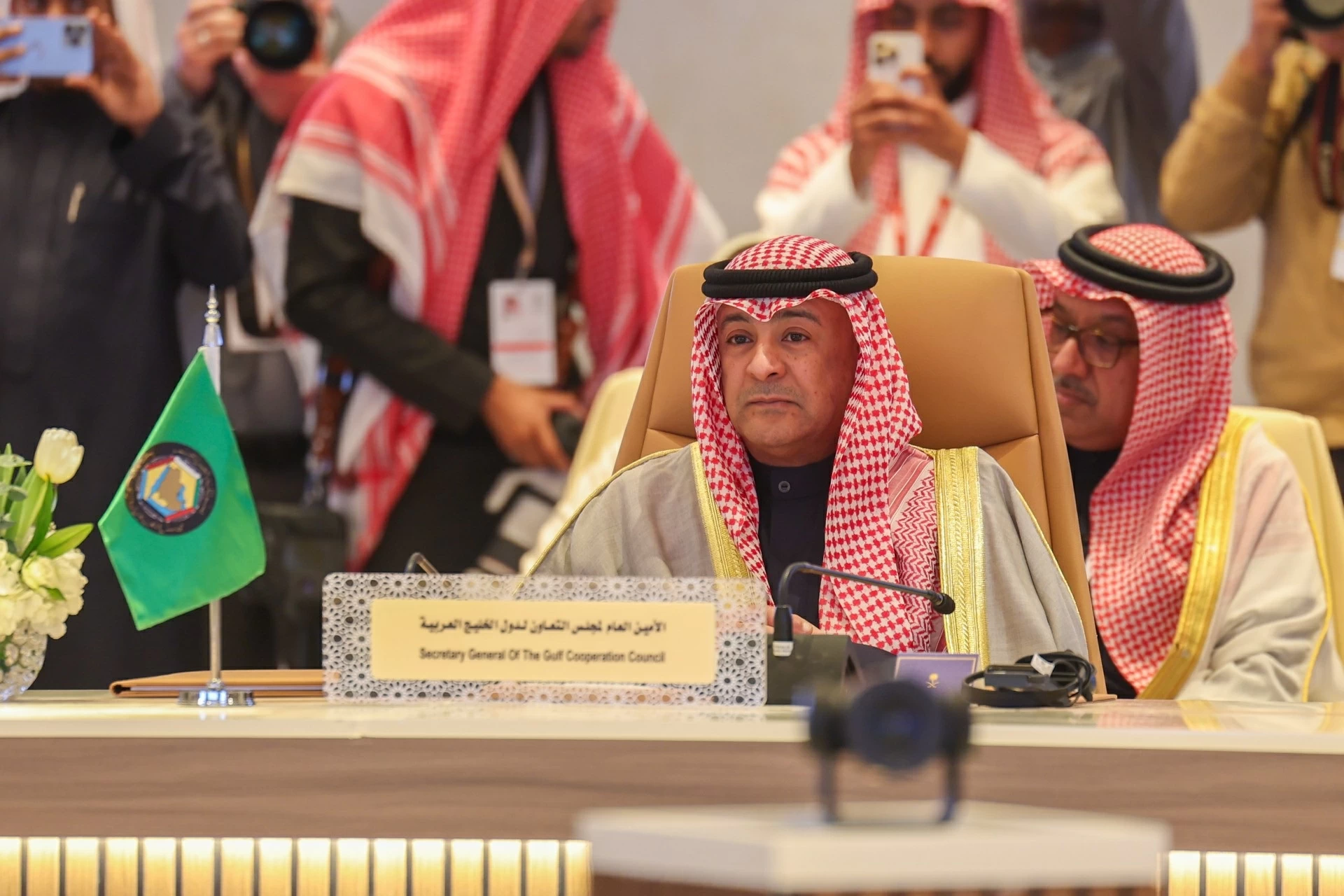
The Secretary-General of the Gulf Cooperation Council, Jassim Mohammed Al-Badawi, today (Thursday) called on the United Nations Security Council to take all necessary measures to ensure freedom of navigation in all straits, stressing the need for a resolution that guarantees the restoration of navigation in the Strait of Hormuz. This came during his speech at the UN Security Council meeting in New York, which addressed the Iranian attacks on maritime navigation.
Al-Badawi explained that the disruption of maritime navigation does not only affect the Gulf countries but extends its impact to many other nations, negatively reflecting on the global economy. He emphasized the importance of the Security Council taking necessary actions to protect waterways, noting that the current situation requires urgent action from the international community.
Details of the Event
During the meeting, Al-Badawi pointed out that the Gulf countries seek to establish normal relations with Iran and the necessity of resolving security issues transparently. However, he affirmed that the Iranian aggression against the Gulf countries has targeted civilian and vital facilities, threatening security and stability in the region. He stated that the member states retain their inherent right to self-defense in light of what he described as "Iranian malicious aggression."
Al-Badawi stressed that the Gulf countries will not abandon their commitment to avoid dangerous escalation that serves no one, while continuing to take necessary measures to protect their sovereignty and territorial integrity. He confirmed that Iranian aggression has crossed red lines by threatening navigation through the Strait of Hormuz, necessitating urgent action from the international community.
Context and Background
The Strait of Hormuz is considered one of the most important waterways in the world, through which about 20% of the world's total oil passes. The region has witnessed increasing tensions in recent years due to political and military disputes between Iran and the Gulf countries. These tensions have led to repeated threats to close the strait, raising significant concerns within the international community.
Iranian attacks on maritime navigation are not new, as the region has seen several incidents in recent years, including targeting oil tankers and commercial ships. These events raise significant fears of escalating conflict, which could impact the stability of global oil markets.
Consequences and Impact
If Iran continues to threaten maritime navigation, this could lead to an increase in global oil prices, negatively affecting the global economy. Additionally, the disruption of navigation in the Strait of Hormuz could exacerbate economic crises in oil-dependent countries, increasing pressures on governments and populations in the region.
Moreover, the continuation of tensions in the region could lead to military escalation, threatening both regional and international security. This may require military interventions by major powers, further complicating the situation in the region.
Impact on the Arab Region
The Gulf countries are among the most affected by the tensions in the Strait of Hormuz, as their economies heavily rely on oil exports. Any threat to navigation in this strait could directly impact the revenues of these countries, negatively reflecting on economic development and social stability.
Furthermore, escalation in the region may increase tensions between Arab countries and Iran, complicating peace and stability efforts. It is crucial for Gulf countries to enhance cooperation among themselves and with the international community to ensure navigation security and protect their economic interests.
In conclusion, the future of navigation in the Strait of Hormuz remains contingent upon the developments in the political and security situations in the region, necessitating vigilance and international cooperation to protect this vital passage.