The Kremlin spokesman, Dmitry Peskov, emphasized that Moscow considers the ongoing conflict in Iran should have led to a political and diplomatic resolution much earlier. This announcement comes at a time when pressure on the Iranian regime is escalating due to widespread protests and worsening economic problems, reflecting Moscow's concern regarding stability in the Middle East.
Peskov's remarks signal Russia's position stressing the importance of peaceful solutions in crises, especially in light of mounting international tensions associated with Iran. Moscow seeks to underscore its role as a key player in shaping the course of events in a region it deems strategically significant.
Details of the Event
Peskov's comments were made during a conversation with journalists, where he pointed out that the continuation of conflict and instability is harmful not only to Iran but to the entire region. He called for an urgent move towards the dialogue table, expressing Russia's readiness to provide necessary support for any diplomatic efforts aimed at ending tensions.
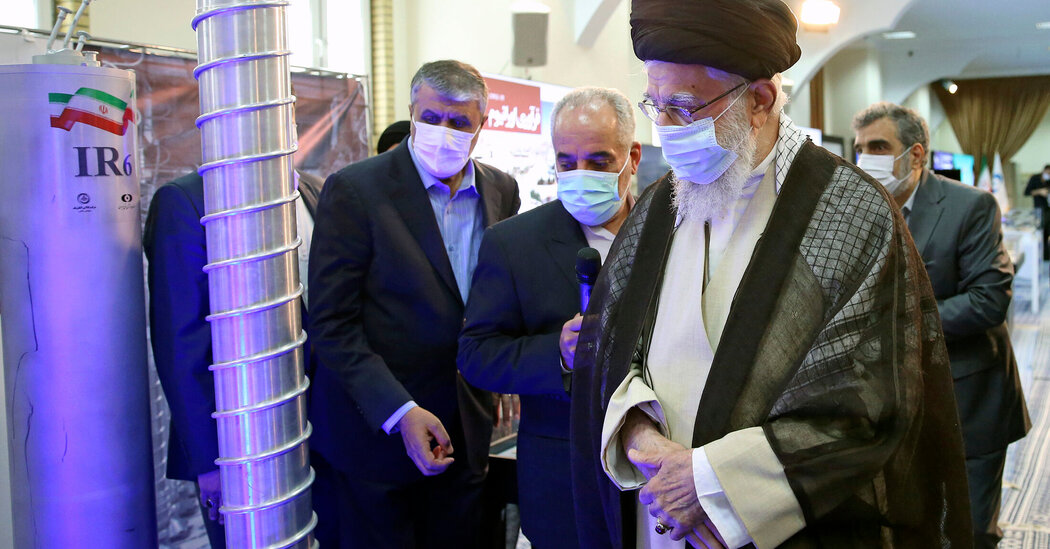
The Iranian conflict has escalated recently due to conflicting internal and external pressures, including U.S. sanctions and tensions related to Iran's nuclear program. This development reflects Russia's warnings about the consequences of instability on its southern borders.
Background & Context
Historically, Iran has experienced a series of internal upheavals, starting from the 1979 Islamic Revolution, through ongoing regional conflicts. Western sanctions imposed on Iran after the exposure of its nuclear program led to exacerbating crises and increasing popular discontent.
This unstable economic and social situation has resulted in widespread public protests, where citizens express their dissatisfaction with government policies and its crisis management. Accompanying these protests is a fear of the state sliding into chaos, placing additional burdens on the regime.
Impact & Consequences
Recent developments in Iran will not only impact the internal situation but will also have significant repercussions on regional and international relations. The current political turmoil may lead to heightened conflicts between major powers in the region, particularly between the United States and Russia.
Any political settlement emerging from this crisis could reshape relations in the Middle East and may also prompt other regional powers, such as Saudi Arabia and Turkey, to alter their strategies in dealing with Iran.
Regional Significance
In light of these developments, stability in Iran is crucial for the Arab region, as it directly correlates with regional security and peace. Any potential collapse of the regime or escalation into chaos could lead to unforeseen repercussions, including new waves of mass displacement and increased illegal migration towards Arab countries.
In conclusion, the Iranian crisis remains a cornerstone of regional and international tensions. Under the pressure of economic isolation, diplomatic solutions may be the only path to ensure stability in Iran and thus stability across the region as a whole.