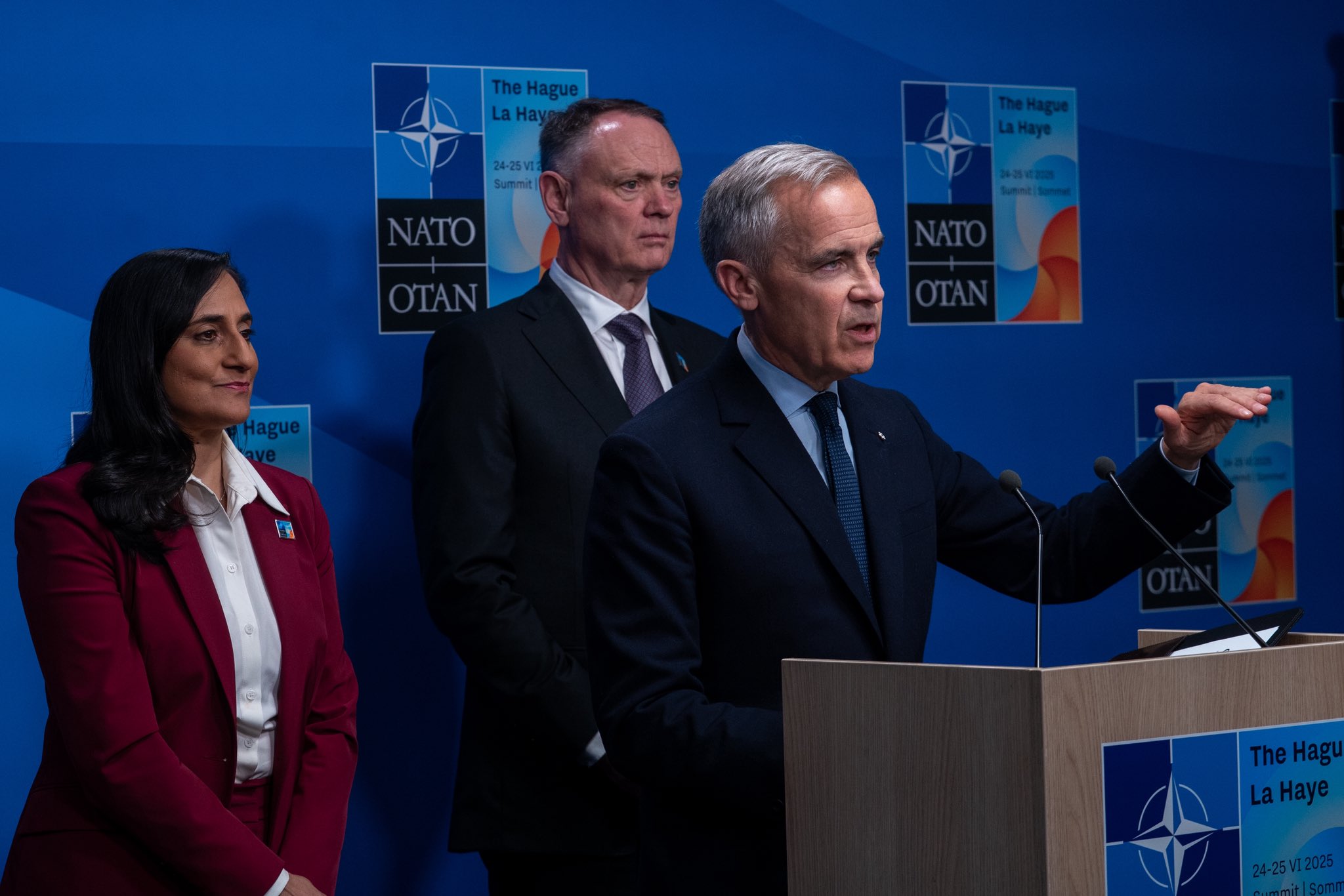
On March 26, Canadian Prime Minister Mark Carney announced that Canada has achieved its NATO defense spending target of 2% of GDP, surpassing the deadline by five years. This move comes at a time of increasing geopolitical tensions worldwide, reflecting Canada's commitment to strengthening its defense capabilities.
In his statements, Carney confirmed that the Canadian government has allocated over 63 billion Canadian dollars (approximately 12.5 billion USD) in the past ten months, marking the largest annual increase in defense spending in decades. He noted that this increase reflects the growing challenges Canada faces in a world characterized by division and escalating security threats.
Event Details
Carney explained that Canada aims to achieve a new NATO target of increasing defense spending to 3.5% of GDP by 2035. He also emphasized the importance of investing in national defense industries, having introduced last month Canada's first industrial defense strategy, which aims to bolster local companies and enhance integration between military spending and strategic sectors of the economy.
These steps are part of a comprehensive vision to enhance national security, as the government seeks to expand local defense companies and increase their competitiveness in the global market.
Background & Context
Historically, Canada has been considered one of the NATO member countries that invested less than the targeted rate. However, the increasing global tensions, including threats from Russia and China, have prompted Canada to reassess its defense strategy. In recent years, Canada has witnessed significant changes in its defense policy, with enhanced cooperation with NATO allies and increased investments in military capabilities.
New security challenges, such as cyberattacks and terrorist threats, have also contributed to pushing the Canadian government to take bolder steps in defense.
Impact & Consequences
Canada's achievement of this defense target could have significant international implications. This commitment is expected to strengthen Canada's position as a key supporter of collective security within NATO, potentially leading to increased military cooperation with other member states. It also reflects a shift in Canadian defense policy towards greater independence and the ability to effectively confront threats.
Furthermore, the increase in defense spending may contribute to boosting the Canadian economy by creating new job opportunities in the defense sector and related industries, thereby contributing to sustainable economic growth.
Regional Significance
Although this news pertains to Canada, it has implications for the Arab region. Increased defense spending in Western countries may affect the balance of power in the Middle East, potentially leading to heightened tensions among regional powers. Additionally, the enhancement of military capabilities in Western nations may influence the defense and security strategies of Arab countries.
In conclusion, Canada's commitment to increasing its defense spending represents an important step in the context of current global challenges, highlighting the necessity of enhancing international cooperation to address escalating security threats.