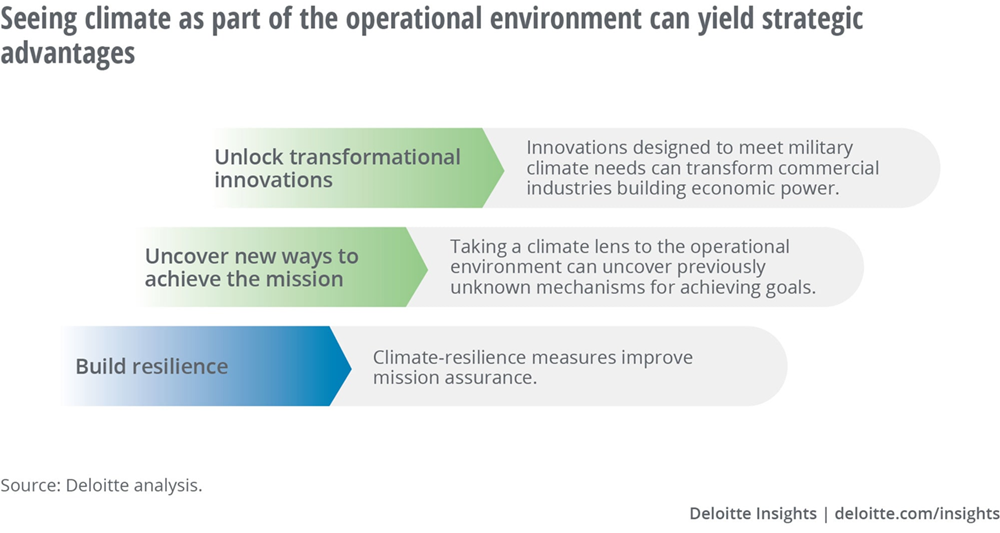
Canadian Chief of Defence Staff, General Jennie Carignan, has announced significant changes to Canada's defense strategy, emphasizing that geographical location no longer guarantees protection as it once did. This announcement comes during what she described as a pivotal moment, driven by strategic and climatic changes, asserting that new challenges require a comprehensive reevaluation of the country's defense strategy.
In an interview with Agence France-Presse, Carignan explained that Canada, which previously relied on its regional security due to its two oceans, the Arctic, and the presence of the United States as a neighbor and ally, now faces a new reality characterized by changing rules of engagement. The increasing tensions with Washington have necessitated a rethink of how the country secures its national interests.
Details of the Announcement
Carignan noted that rising temperatures and melting ice in the North have facilitated access to polar territories, increasing interest in these areas and imposing new security challenges. She confirmed that the Canadian Armed Forces have had to implement a "deep transformation" in their methodology and defense doctrine to address these challenges. Carignan took office as Chief of Defence Staff in July 2024, becoming the first woman to hold this position in one of the G7 countries.
She explained that the accelerated warming in the Arctic, at a rate exceeding 3 to 4 times the global average, compels Canada to reshape its strategy to ensure sovereignty over this region and take responsibility for its defense. This includes updating infrastructure, pre-positioning equipment and supplies, and increasing the frequency of military exercises and operations in the North.
Background & Context
The melting ice opens the door to the exploitation of natural resources such as fuel, minerals, and fish stocks, as well as the creation of new shipping routes, enhancing international interest in the region. In this context, Carignan emphasized the need for Canadian forces to be prepared for the possibility of broader conflicts, requiring appropriate equipment and infrastructure for conventional joint operations.
Simultaneously, Canada is restructuring its defense supply chains to reduce dependence on the United States by establishing a defense investment agency aimed at bolstering its domestic industrial base. This effort is part of a broader initiative to increase military spending, with Carignan expressing satisfaction that defense spending has reached 2% of GDP this year, meeting NATO's target.
Impact & Consequences
However, Carignan stressed that the success of this transformation and modernization path requires sustainable and stable investments over the next 10 to 15 years. Canada plans to invest approximately $500 billion in the defense sector over the next decade under its new defense industrial strategy. These investments will help Canada enhance its defense capabilities and meet increasing security challenges.
These shifts in Canadian defense policy come at a time when the world is witnessing radical changes in climate and international politics, necessitating major powers to reevaluate their defense strategies. With escalating geopolitical tensions, Canada must be prepared to face any potential threats that may arise in the future.
Regional Significance
Although Canada is geographically distant from the Arab region, the shifts in its defense policies could impact global geopolitical balances. As international interest in the Arctic increases, competition for natural resources may rise, potentially affecting energy prices and other resources in global markets, including Arab countries.
In conclusion, the Canadian defense transformations represent a vital response to contemporary challenges, reflecting the importance of rethinking security policies in light of changing circumstances.