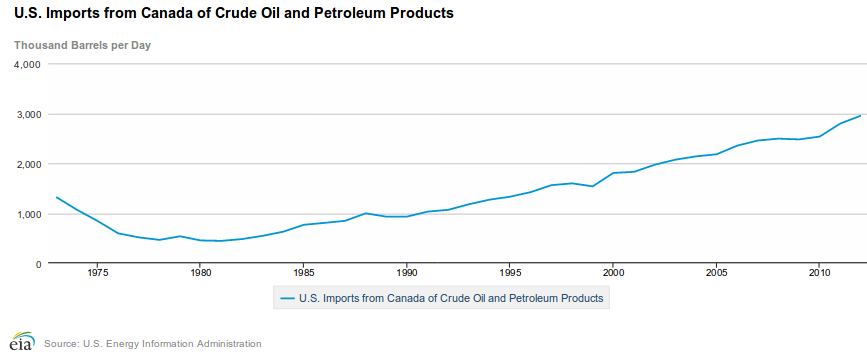
Global markets face unprecedented challenges due to rising oil prices and increasing supply risks, amid escalating tensions in the Middle East due to the war in Iran. In this context, Canada has confirmed its readiness to enhance its exports of liquefied natural gas (LNG) and oil, as well as its nuclear projects, to meet the growing demands of the Asian market.
Canadian Minister of Trade, Mary Ng, stated during an interview with journalist Haslinda Amin in Seoul that Canada has the capacity to be a reliable energy partner, especially under current circumstances affecting energy flows through the Strait of Hormuz, one of the most important maritime routes for transporting oil and gas.
Event Details
Reports indicate that oil prices have seen a significant increase, putting pressure on global markets. The war in Iran, which has led to heightened tensions in the region, threatens to disrupt vital energy flows, raising concerns among importing countries. In this context, Canada aims to seize this opportunity to enhance its role as a major energy supplier.
Canada is one of the largest producers of oil and natural gas and has invested significantly in developing renewable and clean energy projects. Ng noted that Canada has ongoing projects in the LNG sector that could meet the needs of Asian countries seeking alternatives to traditional supplies.
Background & Context
Historically, the Middle East, particularly Iran, has played a pivotal role in the global energy market. However, political tensions and ongoing wars in the region have led to significant fluctuations in oil prices, impacting global economic stability. Canada, which possesses vast reserves of oil and gas, is now looking to expand its exports to Asian markets that are facing supply shortages.
In recent years, Canada has seen an increase in investments in the energy sector, focusing on developing LNG projects. This trend comes at a time when many Asian countries, such as China and Japan, are seeking to diversify their energy sources and reduce reliance on traditional oil.
Impact & Consequences
This move by Canada could change the dynamics of the global energy market. If Canada can enhance its exports to Asia, it may reduce reliance on Iranian oil and stabilize prices in the global market. Additionally, this could open the door for Canada to become a key player in the Asian energy market, bolstering its economic standing.
Furthermore, an increase in Canadian energy exports could strengthen trade relations with Asian countries, contributing to mutual economic benefits. However, the biggest challenge remains how to navigate the political and economic tensions that may affect these relationships.
Regional Significance
Arab countries, especially those that are oil producers, find themselves in a precarious position amid the current changes in the energy market. If Canada successfully boosts its exports to Asia, it could impact oil prices in the region and increase competition among producing nations. This may also prompt Arab countries to reassess their energy strategies.
In conclusion, Canada appears to be seeking to capitalize on the opportunities arising from tensions in the Middle East to enhance its role in the global energy market. As oil prices continue to rise, the question remains how these dynamics will affect Arab and regional markets.