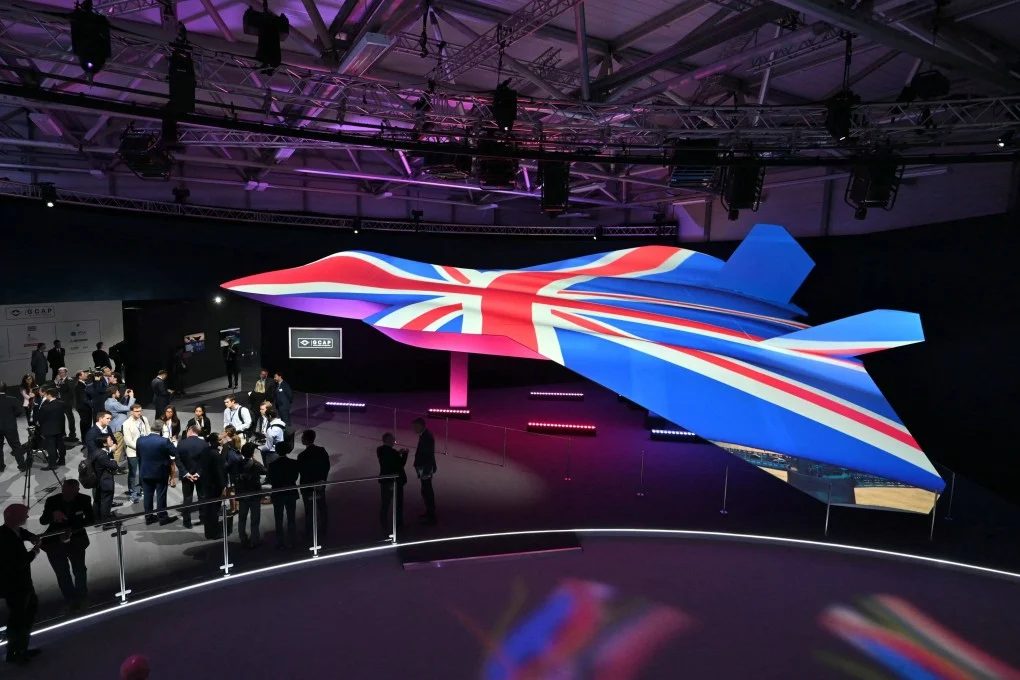
The Canadian government has announced its intention to join the Global Combat Air Programme (GCAP), which currently includes Japan, the United Kingdom, and Italy. This step could provide a strong boost to Japan's efforts in developing sixth-generation fighters, as Tokyo seeks to modernize its fleet of military aircraft in response to the growing challenges posed by China's air power.
Japan aims to replace its aging fleet of F-2 aircraft with new advanced fighters as part of its efforts to enhance its defense capabilities. Reports indicate that Canada's participation in this project could accelerate the development of these aircraft, reflecting international cooperation in the field of air defense.
Details of the Initiative
The Global Combat Air Programme (GCAP) is a collaborative project aimed at developing advanced fighters equipped with cutting-edge technology and high combat capabilities. This program includes a group of nations seeking to enhance their military capabilities amid rising geopolitical tensions. Canada is expected to contribute its expertise in aviation and defense, which could enhance the project's chances of success.
This move is part of Japan's broader strategy to strengthen its defense capabilities, especially in light of increasing challenges from China and North Korea. Tokyo is keen on modernizing its fleet of military aircraft to address potential threats in the region.
Background & Context
Historically, Japan has relied on the United States for defense; however, increasing regional tensions have prompted it to seek new partnerships to bolster its military capabilities. In recent years, Japan has expanded its military cooperation with countries such as Australia and India, reflecting a shift in its defense strategy.
China has also significantly modernized its air fleet, raising concerns in Tokyo. Therefore, the development of sixth-generation fighters is a strategic step aimed at maintaining the balance of power in the region.
Impact & Consequences
Canada's entry into the Global Combat Air Programme could open new avenues for military cooperation among the participating nations. This partnership is expected to enhance the defense capabilities of both Japan and Canada, potentially leading to increased investments in military technology.
Moreover, this cooperation could impact relations among major powers in the region, as it may heighten tensions with China, which could perceive these steps as a threat to its national security.
Regional Significance
Although this news pertains to countries far from the Arab region, the enhancement of military capabilities by major powers could affect regional stability. Increased tensions in East Asia may influence global security, which could reflect on Arab interests in trade and security.
Ultimately, international cooperation in defense remains a key factor shaping geopolitical balances worldwide, warranting close monitoring by Arab nations.