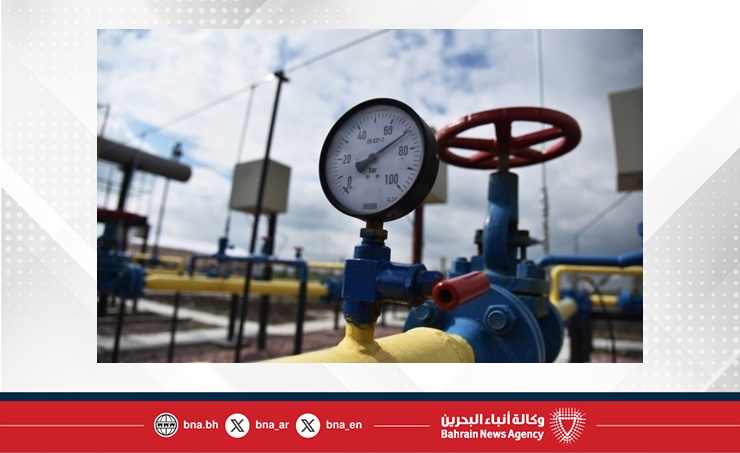
Canadian Energy Minister Tim Hodgson has announced a plan to increase natural gas flows to the United States as part of Canada's efforts to boost liquefied natural gas (LNG) exports from the U.S. Gulf Coast. This initiative comes at a time when energy demand is significantly rising, particularly from data centers reliant on artificial intelligence technologies.
Through this step, Canada aims to meet the growing needs of the U.S. market, where energy demand is expected to increase due to the rapid expansion of AI technologies. Natural gas is considered one of the primary energy sources that can be relied upon to meet these needs.
Details of the Initiative
Hodgson's plan includes increasing the quantities of natural gas exported to the United States, which will contribute to enhancing the U.S. capacity to export LNG to global markets. The minister noted that this step will help achieve a balance between supply and demand in the U.S. market, especially with the increasing reliance on clean energy.
Hodgson also emphasized that Canada possesses significant natural gas reserves, making it a reliable partner for the United States in this field. This increase in gas flows is expected to strengthen trade relations between the two countries and create new job opportunities in the energy sector.
Background & Context
Canada is one of the largest producers of natural gas in the world, with massive reserves estimated in the hundreds of trillions of cubic feet. Over the years, Canada has heavily relied on exporting gas to the United States, which remains the primary destination for Canadian gas exports.
With the rising energy demand in the United States, particularly from AI-dependent data centers, it has become essential for Canada to enhance its natural gas exports. In recent years, there has been an increase in investments in LNG projects in Canada, reflecting the government's commitment to strengthening this sector.
Impact & Consequences
Increasing natural gas exports to the United States is expected to boost the Canadian economy, contributing to the creation of more job opportunities and increasing government revenues. Additionally, this move could improve trade relations between Canada and the United States, benefiting both countries.
On the other hand, Canada may face challenges in achieving this increase in production, especially amid environmental pressures and local demands for environmental preservation. Therefore, it will be crucial for Canada to adopt sustainable strategies in the energy sector to meet the growing demand without negatively impacting the environment.
Regional Significance
These developments in the energy sector in Canada and the United States are particularly significant for the Arab region, where many Arab countries rely on oil and gas exports as a primary source of revenue. In light of the global shift towards clean energy, Arab countries may face challenges in maintaining their share in the global energy market.
Moreover, the increase in natural gas exports from Canada to the United States could affect gas prices in global markets, which may reflect on the economies of oil and gas-producing Arab countries. Thus, it will be important for Arab countries to monitor these developments and work on developing their energy sector strategies to ensure sustainability in the future.