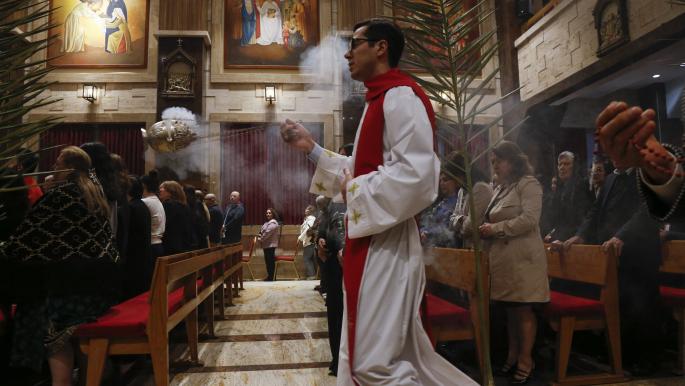
Iraqi Christians are observing Easter this year without celebrations in solidarity with the victims of ongoing conflicts in the region. This decision comes amid rising security and economic concerns affecting the Christian community after years of challenges.
Easter celebrations are among the most significant religious occasions for Christians, where individuals gather in churches and participate in traditional rituals. However, this year, many Christians in Iraq have chosen to cancel these celebrations as a way to express their sorrow and grief for the lives lost due to war and ongoing violence.
Details of the Event
In recent years, Iraq has witnessed an escalation in armed conflicts, significantly impacting the lives of citizens, especially in Christian communities that are suffering from deteriorating security conditions. Many religious leaders have indicated that the cancellation of celebrations reflects a profound sense of loss and pain experienced by the community.
This step coincides with increasing fears of a recurrence of the bloody events that the country has experienced in recent years, where many churches and religious centers have been targeted. Reports have confirmed that the security situation remains fragile, heightening Christians' concerns about their future in Iraq.
Background & Context
Historically, Iraq has been home to diverse Christian communities, but the conflicts and wars that have plagued the country since 2003 have led to a mass exodus of Christians. Their numbers have significantly declined, with estimates indicating that the Christian population in Iraq has dropped from around 1.5 million to less than 300,000 in recent years.
This migration is a direct result of persecution and violence, leading to the disintegration of many families and the scattering of communities. Nevertheless, there remains hope for rebuilding Christian communities, but this requires security and economic stability.
Impact & Consequences
The cancellation of Easter celebrations reflects a state of despair and frustration among Christians and also highlights the significant challenges they face under current conditions. This decision may affect the morale of the community and increase feelings of isolation and anxiety.
Moreover, this situation could impact relations between different sects in Iraq, potentially exacerbating sectarian divisions. It is crucial for the Iraqi government to promote dialogue and understanding among all social components to ensure the country's stability.
Regional Significance
The situation in Iraq exemplifies the challenges facing Christian communities in the Middle East, where many countries are suffering from conflicts and wars that affect religious and cultural diversity. The cancellation of celebrations in Iraq may have broader implications for Christian communities in the region, reflecting the need for greater support from the international community to protect the rights of religious minorities.
Ultimately, hope remains that Christians in Iraq will be able to restore their celebrations in the coming years, but this requires collective efforts to achieve peace and stability in the country.