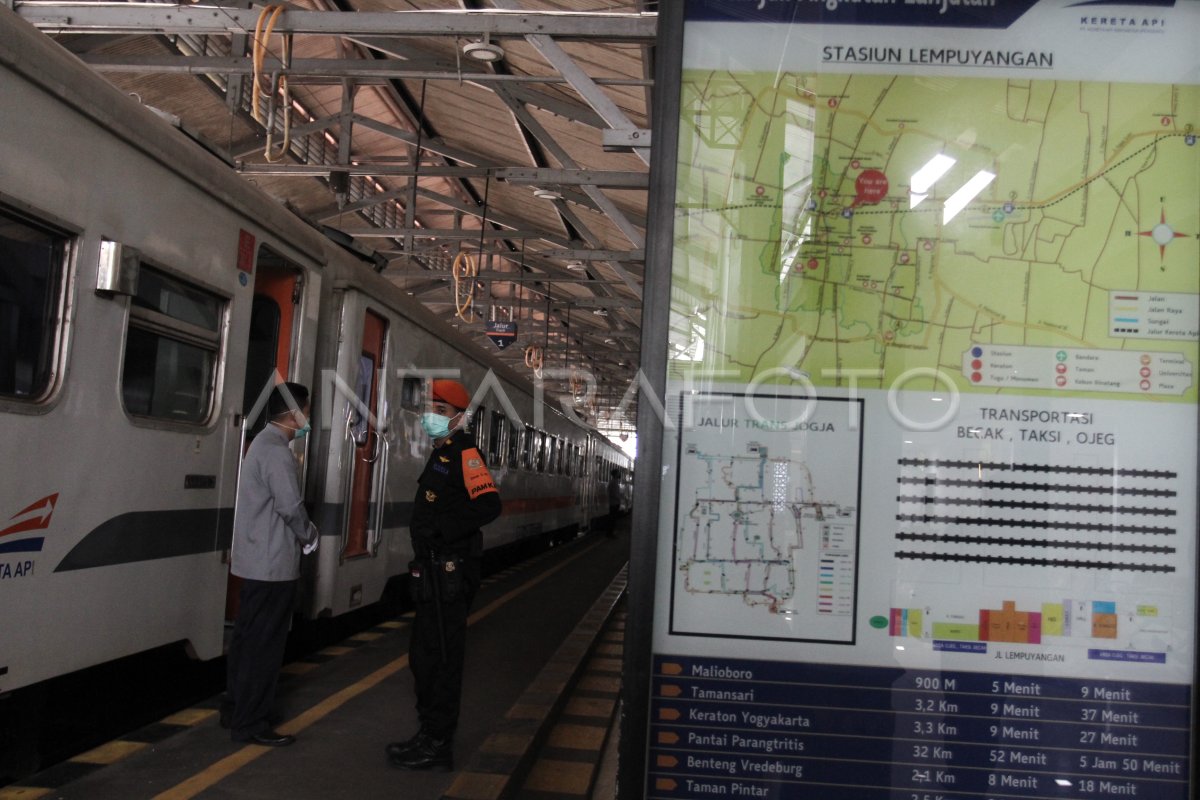
Indonesian railway company PT KAI Daop 8 in Surabaya announced the cancellation of 1,118 travel tickets from passengers due to changes in operational patterns following the Argo Promos Angrik train incident that occurred in the Bekasi region. These changes led to significant delays in travel schedules, adversely affecting the travel plans of many passengers.
Company officials confirmed that the process of normalizing train services is still ongoing, as efforts are being made to reschedule the affected trips. They noted that the incident had a substantial impact on daily operations, necessitating swift actions to ensure passenger safety and restore confidence in railway services.
Details of the Incident
The incident that led to these changes was due to a technical malfunction in the operational system, which caused disruptions in train movements on certain lines. Passengers were informed of the changes through social media and the company's website, where options for refunds or rescheduling travel dates were provided.
The company emphasized that it is working on improving safety and operational systems to prevent the recurrence of such incidents in the future. Maintenance and inspection efforts on trains have also been intensified to ensure passenger safety.
Background & Context
The history of railways in Indonesia spans decades, serving as the primary mode of transportation in the country. However, in recent years, there has been an increase in incidents due to growing pressure on the network resulting from a rising number of passengers. Previous incidents have raised concerns about railway safety, prompting the government to take measures to improve infrastructure.
In recent years, significant investments have been made to modernize and expand the network, but incidents like the Argo Promos Angrik highlight the ongoing challenges faced by this industry. These incidents raise questions about the effectiveness of measures taken to ensure passenger safety.
Impact & Consequences
The cancellation and delay of trips have wide-ranging effects on passengers, forcing many to reschedule their travel plans. This situation could lead to a loss of confidence in railway services, potentially affecting passenger numbers in the future. Additionally, delays may impact the local economy, as many people rely on railways to reach their workplaces.
Moreover, these incidents may increase pressure on the government to improve infrastructure and enhance safety standards. It is crucial for authorities to take effective steps to address these issues to ensure passenger safety and restore confidence in transportation services.
Regional Significance
The railway system is vital for connecting various regions in Indonesia, facilitating trade and mobility. The recent incident underscores the importance of maintaining a reliable and safe railway network for economic stability and growth.
In conclusion, addressing the challenges faced by the railway sector is essential not only for passenger safety but also for the overall economic health of the region. Continuous improvements and investments in infrastructure are necessary to build a robust transportation system.