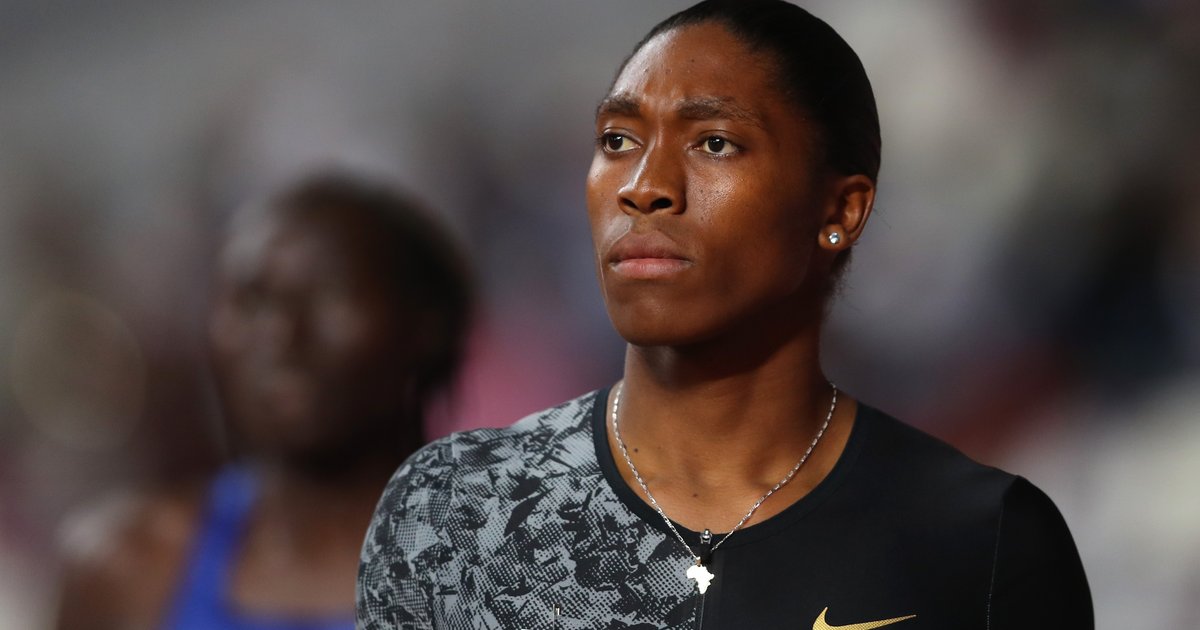
South African athlete Caster Semenya voiced her profound dissatisfaction on Sunday regarding the International Olympic Committee's (IOC) decision to reinstate gender identity tests for women at the scheduled 2028 Olympics in Los Angeles. This announcement was made last Thursday, triggering widespread reactions in sports and social circles globally.
Semenya, regarded as one of the most prominent runners in the history of athletics, asserted that this decision reflects a significant disrespect towards women and brings to mind outdated discriminatory practices. She stated, "The reinstatement of these tests is a step backward in the journey for women's rights, and we must confront this trend."
Details of the Announcement
The IOC's decision to reinstate gender identity tests comes at a sensitive time when discussions about women's rights and equality in sports are intensifying. These tests aim to determine whether a female athlete possesses high levels of testosterone, which some consider a criterion for gender identity. However, many experts and activists argue that these tests are unjust and could lead to discrimination against women who naturally have normal levels of this hormone.
Semenya, who has won gold medals at both world and Olympic championships, has faced significant challenges in her career due to these tests, having been barred from competing in certain events due to her hormone levels. This issue has made her a symbol of the struggle for athlete rights, particularly for women, in the face of discrimination.
Background & Context
Historically, gender identity tests have been a controversial topic in sports. Introduced for the first time in 1966, these tests faced widespread criticism for their inaccuracy and discriminatory nature. In 2015, the IOC decided to suspend these tests, but the current reinstatement raises questions about the progress society has made on equality issues.
Semenya is considered one of the key figures in this debate, having suffered discrimination due to her biological nature. Her cases have sparked considerable controversy regarding how to handle athletes who do not conform to traditional gender norms.
Impact & Consequences
The decision to reinstate gender identity tests may exacerbate tensions in the sports world, particularly among athletes who feel their rights are being violated. This decision could affect the participation of many athletes, potentially leading some to withdraw from major competitions, which would impact the reputation of the Olympics.
Moreover, this decision may increase pressure on athletes, as they will have to face additional challenges related to their mental and physical well-being. The return to these tests could reopen old wounds and provoke feelings of anger and resentment among athletes and fans alike.
Regional Significance
In the Arab region, discussions about women's rights and equality in sports are on the rise. The IOC's decision could have a direct impact on Arab athletes, who may face similar challenges. Issues like these highlight the importance of supporting women's rights across all fields, including sports, and underscore the need for changes in laws and policies that may be discriminatory.
Ultimately, the decision to reinstate gender identity tests poses a significant challenge to global sports, and the international community must unite to address these issues to ensure the rights of all athletes are protected.