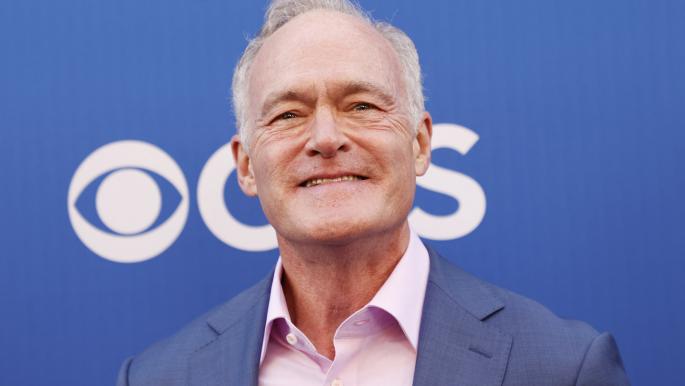
On Tuesday, CBS announced the dismissal of prominent journalist Scott Pelley, reflecting escalating internal disputes regarding the future of the iconic '60 Minutes' program. This decision comes at a critical time for the network, facing multiple challenges amid rapid changes in the media landscape.
The firing of Pelley, who has served as the program's executive producer since 2016, is seen as a sign of the turmoil within the network. This move has raised questions about the network's future strategy and how it manages its news programming in light of increasing competition from digital platforms.
Details of the Event
Scott Pelley, regarded as one of the leading media figures in the United States, was dismissed following a period of internal tensions. Some sources indicated that there were disagreements over how to present news content, leading to the decision to terminate his position. Notably, '60 Minutes' has gained widespread fame due to its in-depth and detailed reports, making it one of the most-watched programs in the history of American television.
This dismissal comes at a time when traditional media faces significant challenges, with increasing pressure from digital media that offers fast and direct content. These shifts have affected how traditional news networks respond to the changing demands of their audience.
Background & Context
Founded in 1927, CBS has become one of the largest news networks in the United States. The '60 Minutes' program, which began airing in 1968, is considered a pioneering show in investigative reporting. Over the years, the program has faced numerous challenges, including criticism regarding its coverage of sensitive topics.
In recent years, the network has undergone management changes that have impacted its editorial strategy. These changes come at a time when traditional media is under increasing pressure to adopt new models that align with the digital age.
Impact & Consequences
The firing of Scott Pelley could lead to significant changes in the '60 Minutes' program, as the network is expected to seek a new person who aligns with its future vision. This change may affect the quality of the content presented, raising concerns among viewers who have become accustomed to Pelley's style of news presentation.
Furthermore, this move could increase tensions within the network, as some employees may feel instability due to these changes. In the face of fierce competition from digital media, the network needs to reassess its strategy to ensure it remains at the forefront of the media landscape.
Regional Significance
CBS is considered one of the main sources of global news, including events related to the Arab region. Pelley's dismissal may impact how the network covers events in the Middle East, as the program is seen as an important platform for highlighting regional issues.
Amid ongoing changes in the media landscape, Arab journalists may need to be more cautious in how they present news, especially given the challenges facing traditional media. These events could affect how information reaches the Arab audience, necessitating the search for reliable sources.
In conclusion, the firing of Scott Pelley reflects the challenges faced by CBS and highlights the importance of adapting to rapid changes in the media world. All eyes remain on how the network will respond to these challenges and how it will impact the future of the '60 Minutes' program.