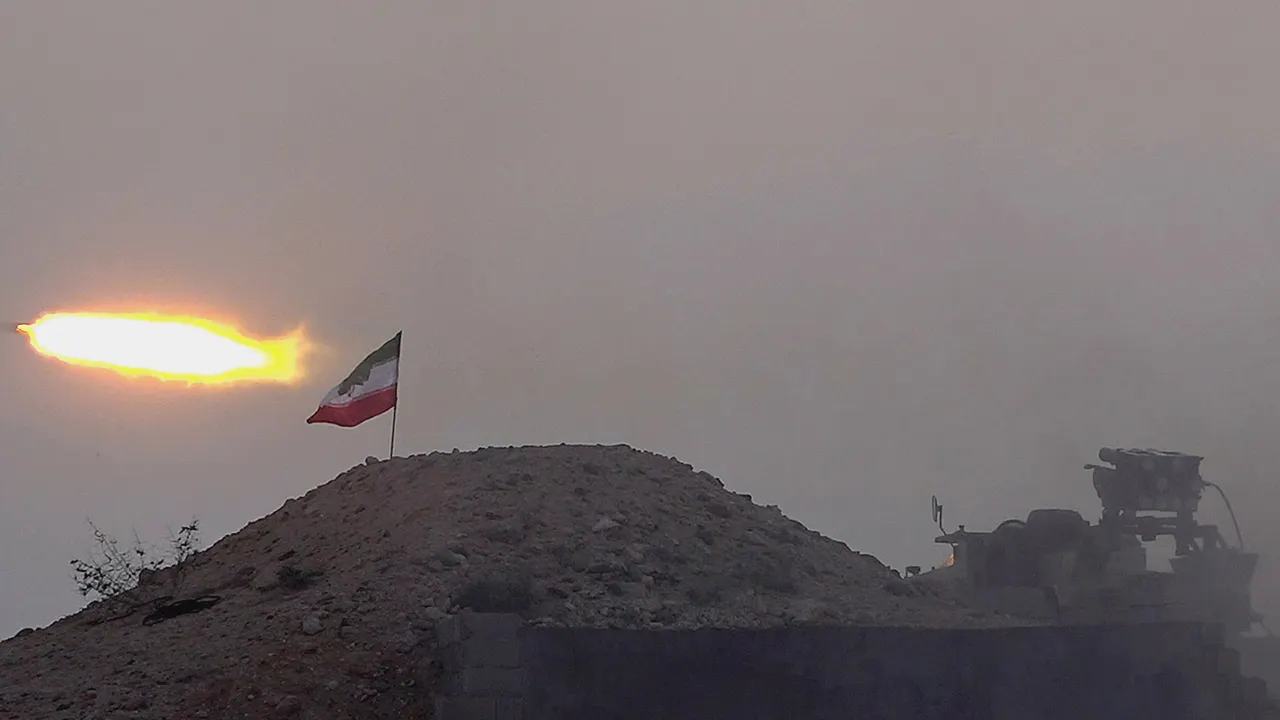
Efforts to end the war in the Middle East have notably stalled as the United States considers Iran's recent offer to open the Strait of Hormuz, a vital artery for oil and gas shipments. This development comes at a critical time, as Iran continues to impose a blockade on the strait since the onset of the US-Israeli attack two months ago, significantly impacting the global economy.
In light of these circumstances, Qatari Foreign Minister Majid Al-Ansari warned of the possibility of a "frozen conflict" if a final resolution is not reached. Al-Ansari emphasized during a press conference that his country does not wish to see a return to hostilities in the region.
Details of the Event
US President Donald Trump met with senior national security advisors to discuss the Iranian offer, which was relayed to Washington via Pakistan. The proposal includes Iran easing its control over the Strait of Hormuz in exchange for lifting the US blockade on Iranian ports, while negotiations regarding Iran's nuclear program continue.
Despite this, Trump indicated his reluctance to accept the Iranian offer without first resolving the nuclear issue. In the same context, Iranian Defense Ministry spokesman Reza Talayi Nik stated that the United States must abandon its illegal and unreasonable demands, noting that Washington is no longer in a position to impose its policy on independent nations.
Background & Context
Historically, the Strait of Hormuz has been a major point of tension in international relations, through which approximately 20% of the world's oil passes. The region has witnessed an escalation in tensions following the US withdrawal from the Iranian nuclear agreement in 2018, leading to a series of economic sanctions on Iran.
In recent years, the conflict between Iran and Israel has intensified, with Iran directly intervening in regional disputes by supporting armed groups such as Hezbollah in Lebanon. This military escalation has affected the stability of the region and exacerbated humanitarian and economic crises.
Impact & Consequences
The current tensions may exacerbate economic crises in Iran, where citizens are suffering from a severe economic collapse. Many Iranians, like small business owner Farshad, express their concerns about the economic situation, stating, "The country is in a state of complete economic collapse."
At the same time, Trump faces increasing domestic pressure to find a way out of this crisis, especially with the midterm elections approaching in November, where polls show that the war is unpopular among Americans.
Regional Significance
These developments directly affect Arab countries, as any escalation in the conflict could lead to negative repercussions for security and stability in the region. Additionally, the situation in Lebanon, where Hezbollah continues to launch rockets at Israel, complicates the regional landscape.
Ultimately, hope remains pinned on reaching an agreement that ensures stability in the region and alleviates tensions, but challenges remain significant.