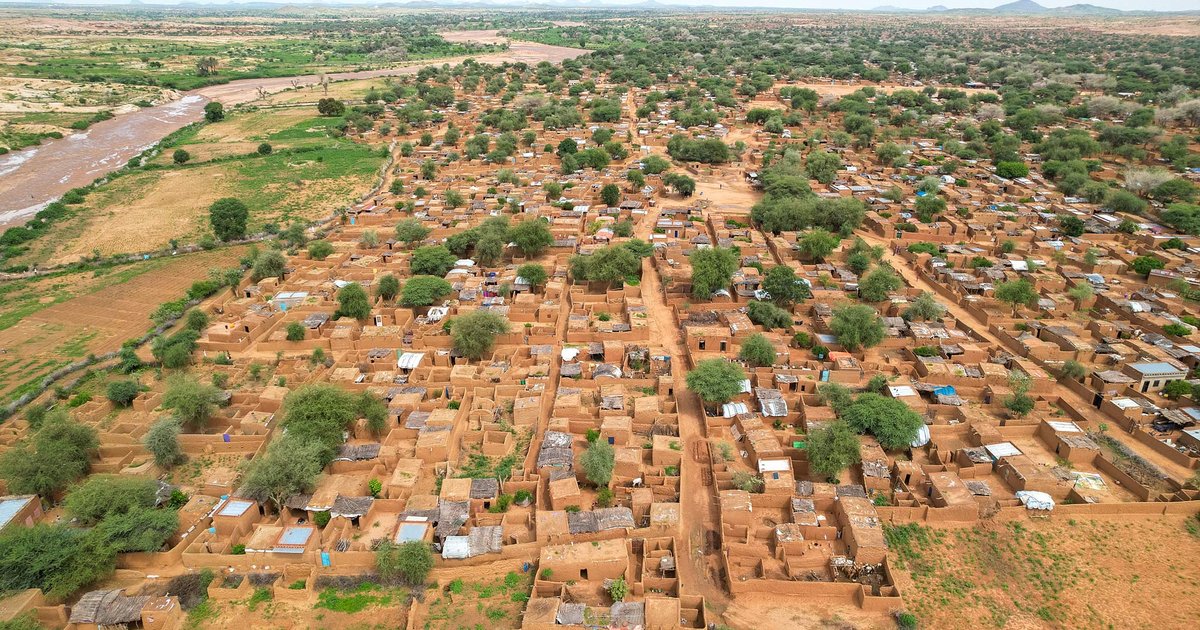
The United Nations has announced that children in Darfur are facing a suffocating humanitarian crisis, with many suffering from severe hunger and continuous violence. This situation places them in a critical phase that threatens their lives and futures, necessitating an urgent response from the international community.
Reports indicate that over 1.5 million children in Darfur are in dire need of humanitarian assistance. The deteriorating security conditions in the region make it difficult to reach these children and provide the necessary support. The ongoing violence in Darfur, stemming from tribal conflicts and political struggles, exacerbates the humanitarian situation.
Details of the Situation
Statistics show that the rate of malnutrition among children in Darfur has significantly increased, with over 300,000 children suffering from acute malnutrition. These figures reflect the tragic circumstances faced by children in this region, where health and psychological risks are escalating daily.
Continuous conflicts have displaced many families, leaving children without shelter or food resources. Additionally, the lack of humanitarian aid due to security conditions makes it challenging for relief organizations to provide the necessary support.
Background & Context
Historically, Darfur has experienced long-standing conflicts since 2003, when disputes erupted between the Sudanese government and rebel groups. These conflicts have resulted in thousands of deaths and the displacement of millions, contributing to the worsening humanitarian conditions in the region.
Over the years, the United Nations and non-governmental organizations have attempted to provide assistance, but security and logistical challenges have hindered their efforts. The current situation reflects the failure of the international community to achieve stability in the region, necessitating a reassessment of the strategies employed.
Impact & Consequences
The impact of hunger and violence on children in Darfur extends to all aspects of their lives. Malnutrition affects their physical and mental development, threatening their futures. Furthermore, the ongoing violence leaves deep psychological scars, impacting their mental health and increasing rates of depression and anxiety.
The repercussions of this crisis extend beyond Darfur, potentially leading to humanitarian crises in other regions of Sudan. Moreover, instability in Darfur could affect regional security, warranting greater international attention.
Regional Significance
The Darfur crisis is part of the multiple humanitarian crises facing the Arab region. The situation in Darfur highlights the urgent need for regional and international cooperation to address humanitarian challenges.
Humanitarian crises in Sudan could lead to refugee flows into neighboring countries, increasing pressures on those nations and affecting their stability. Therefore, addressing the Darfur crisis requires a comprehensive response from the international community.
In conclusion, there must be an urgent move by the international community to save the children of Darfur from this humanitarian crisis. Ignoring the current situation could have dire consequences for future generations.