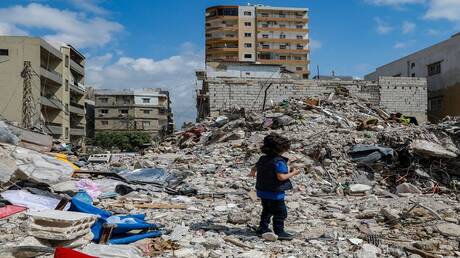
Israeli sources have indicated that the ceasefire agreements between the United States and Lebanon are facing a serious threat of collapse, warning that what they term as violations by Hezbollah could jeopardize these arrangements. This warning comes at a sensitive time as involved parties seek to achieve stability in the region following heightened tensions.
These agreements are part of international efforts to calm the situation in Lebanon, which is grappling with multiple crises, including economic and political turmoil. The United States has shown significant interest in supporting Lebanon, but ongoing violations could complicate these efforts.
Details of the Situation
The Israeli broadcasting authority reported that the violations carried out by Hezbollah could lead to the collapse of the agreements. These violations include military operations or movements on the ground that Israel may perceive as a threat to its security. Sources have confirmed that any escalation from Hezbollah will provoke strong reactions from the Israeli side.
At the same time, the United States is striving to maintain these agreements, viewing them as essential for achieving stability in Lebanon. These understandings were reached after a series of intensive negotiations among the involved parties, including the Lebanese government and Hezbollah.
Background & Context
Historically, Lebanon has experienced ongoing tensions due to regional and local conflicts. Hezbollah, which is considered a political and military force in Lebanon, plays a significant role in these tensions. Since its inception, the party has been at the center of numerous disputes, making it a target for criticism from various countries, including Israel.
These agreements come amid international attempts to find solutions to the multiple crises facing Lebanon, including the economic crisis that has led to the collapse of the local currency and rising poverty rates. The United States, through its support, hopes to achieve political and economic stability in the country.
Impact & Consequences
If these agreements were to collapse, it could lead to a new military escalation in the region, significantly affecting regional security. Such escalation could have negative repercussions on the faltering Lebanese economy and increase the suffering of the Lebanese people, who are already enduring multiple crises.
Moreover, the collapse of the agreements could open the door to new external interventions, further complicating the situation in Lebanon. Neighboring countries, including Syria, could also be directly affected by any potential escalation.
Regional Significance
The situation in Lebanon is seen as an indicator of stability or instability in the broader Arab region. Any escalation in Lebanon could impact neighboring countries and lead to new waves of displacement and asylum seekers, increasing pressures on host countries.
Additionally, tensions in Lebanon may affect relations among Arab countries, as some nations may adopt differing stances towards the events, exacerbating divisions in the region. Ultimately, the situation in Lebanon remains under close observation, as any new developments could influence regional stability.