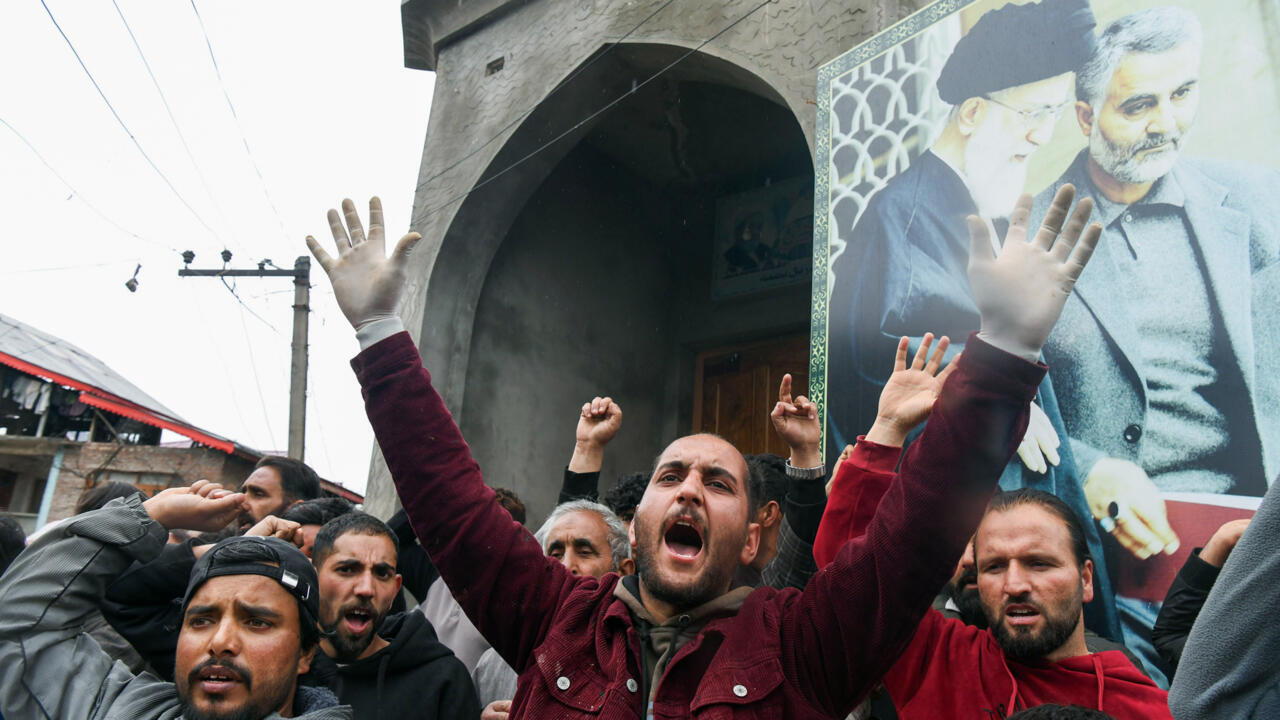
The United States and Iran have announced a two-week ceasefire, following mediation from Pakistan, in a move that could help ease the escalating tensions between the two sides. This announcement came after President Donald Trump set a deadline for Iran to reopen the Strait of Hormuz, a vital artery for global oil shipments.
Earlier, the Iranian Supreme National Security Council described the agreement as a victory for Tehran, indicating that Trump had agreed to Iran's conditions to end hostilities. For his part, Pakistani Prime Minister Shahbaz Sharif confirmed that the capital Islamabad would host delegations from the United States and Iran next Friday for negotiations aimed at reaching a final agreement.
Details of the Ceasefire
The ceasefire comes at a sensitive time, as tensions between the United States and Iran have significantly escalated in recent weeks, leading to fears of military escalation. Trump indicated that the agreement is conditional upon the reopening of the Strait of Hormuz, through which nearly one-fifth of global oil shipments passed before hostilities intensified.
Many countries have expressed their welcome for this agreement, with Egyptian President Abdel Fattah el-Sisi hoping that this development would lead to a permanent agreement to end the war in the region. Saudi Arabia also emphasized the importance of this agreement in enhancing regional security and stability.
Background & Context
Historically, relations between the United States and Iran have seen increasing tensions since Washington's withdrawal from the Iranian nuclear agreement in 2018. This withdrawal led to the imposition of severe economic sanctions on Iran, exacerbating the conflict in the region. Since then, there have been several attempts to reach diplomatic solutions, but military escalation has always been present.
Pakistan, playing the role of mediator, hopes that these negotiations will contribute to greater stability in the region, where many countries are suffering from the repercussions of ongoing conflicts.
Impact & Consequences
This agreement could pave the way for broader negotiations that include other security issues, such as the Iranian nuclear program. French President Emmanuel Macron called for respect for the ceasefire, emphasizing the need to negotiate unresolved issues. The United Nations also welcomed the step, stressing the importance of adhering to international law.
In light of these developments, the outcomes of the negotiations are expected to impact global oil markets, as the stability of the Strait of Hormuz is vital for oil flow. Any new escalation could lead to rising oil prices and increase economic pressures on importing countries.
Regional Significance
The neighboring Arab countries to Iran and the United States are among the most affected by the tensions between the two sides. The agreement on the ceasefire may help alleviate tensions in the region, potentially allowing Arab countries the opportunity to consider new strategies for regional cooperation.
In conclusion, this agreement represents a positive step towards achieving peace, but it remains to be seen how committed the parties will be to its terms and how it will affect the situation in the region.