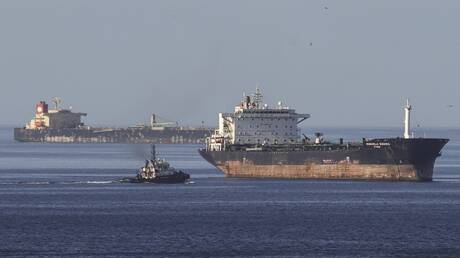
Attention is turning towards the details of the ceasefire agreement reached between the United States and Iran, which could allow for the reopening of the Strait of Hormuz, one of the most crucial waterways in the world. These developments come at a time when many ships are experiencing delays in the region, negatively impacting global trade.
The Strait of Hormuz is a major transit point for oil and natural gas, with approximately 20% of the world's seaborne oil passing through it. Therefore, any positive developments in this context could alleviate pressures on the global market.
Details of the Ceasefire Agreement
Bloomberg reported that ship owners are racing to obtain accurate information about the agreement, which may open the way for the movement of stranded vessels. This comes amid increasing concerns about rising tensions between the United States and Iran, which could exacerbate the situation in the region.
It is noteworthy that the agreement may include specific conditions regarding the cessation of hostilities, potentially contributing to restoring trust among the involved parties. However, the precise details of the agreement remain unclear, heightening anxiety among ship owners.
Background & Context
Historically, the Strait of Hormuz has witnessed numerous tensions due to regional conflicts, as it is a strategic point for many countries. In recent years, tensions between the United States and Iran have escalated, affecting trade movement in the area.
In 2019, the region experienced a series of attacks on oil tankers, raising fears of a military conflict. Thus, any efforts to ease tensions are considered a positive step towards stabilizing the region.
Impact & Consequences
If the agreement is successfully implemented, it is expected to improve maritime trade, which may contribute to stabilizing global oil prices. Additionally, reopening the Strait of Hormuz could help alleviate economic burdens on countries that rely on oil as a primary source of revenue.
However, the question remains about the sustainability of this agreement, especially amid ongoing tensions between the United States and Iran. Any new escalation could worsen the situation and bring things back to square one.
Regional Significance
The Arab countries neighboring the Strait of Hormuz are among the most affected by the current developments. Reopening the strait could enhance trade between Gulf countries and the world, benefiting their economies.
Conversely, continued tensions could negatively impact regional stability, which may reflect on the economic and social security in the area. Therefore, all eyes are on how the situation will evolve in the coming days.
In light of these circumstances, hope remains pinned on the success of the agreement between the United States and Iran, as restoring ship movement in the Strait of Hormuz could be a significant step towards regional stability.