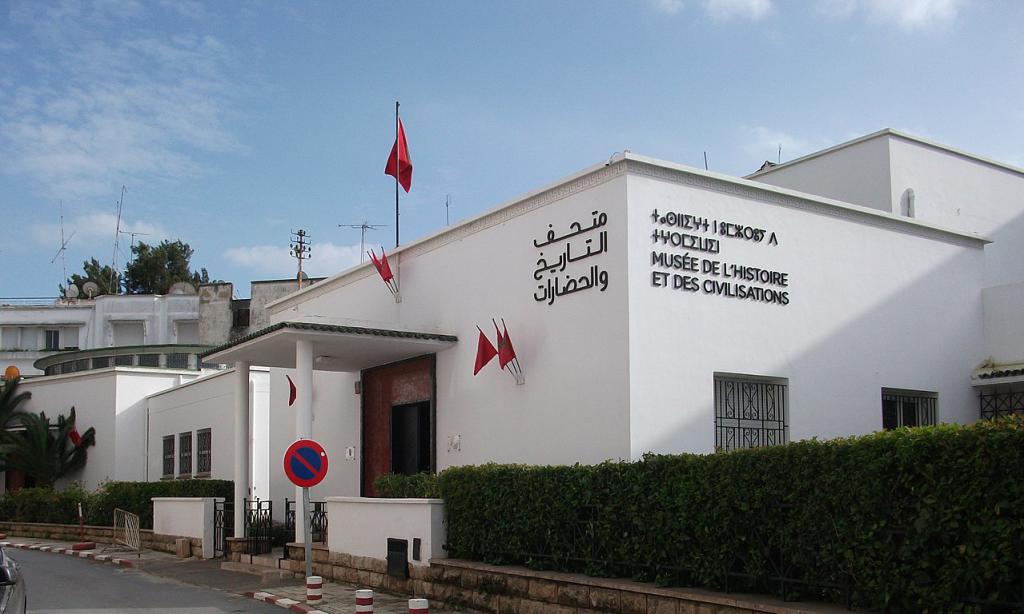
Sheikh Dr. Mohammed bin Abdulkarim Al-Issa, the Secretary-General of the Muslim World League and President of the Association of Muslim Scholars, attended a special celebration to mark the achievement of reaching 10 million visitors to the International Museum of the Prophetic Biography and Islamic Civilization in the Moroccan capital, Rabat. This milestone reflects the museum's success in attracting visitors from diverse cultural and religious backgrounds.
The celebration was held at the headquarters of the Islamic World Educational, Scientific and Cultural Organization (ICESCO), where numerous scholars and muftis from various countries were present, along with officials, diplomats, and intellectual and cultural figures. This diversity added a global character to the event, highlighting the museum's importance in disseminating knowledge about the Prophetic Biography.
Event Details
In his speech, Dr. Al-Issa emphasized the museum's vision and objectives in showcasing the noble biography of the Prophet Muhammad ﷺ, noting that the museum employs the latest technologies to transform historical texts into interactive experiences. This innovative approach allows visitors, including non-Muslims, to gain a profound understanding of the Prophetic Biography, thereby enhancing cultural and religious understanding.
He also pointed out that the museum is not merely a display venue but an interactive educational platform aimed at presenting the Prophetic Biography in an engaging manner. Many visitors expressed their admiration for the content, reflecting the museum's success in achieving its educational goals.
Background & Context
The International Museum of the Prophetic Biography and Islamic Civilization in Rabat was established as part of the Muslim World League's efforts to promote a correct understanding of Islam and its culture. This initiative is part of a broader vision aimed at fostering dialogue between cultures and religions, especially in light of the challenges faced by societies today.
Historically, Islamic museums have witnessed significant development in recent years, becoming centers of tourist and educational attraction. The museum in Rabat serves as a model for how to integrate technology with religious and cultural education.
Impact & Consequences
This achievement is evidence of the museum's success in attracting visitors and enhancing cultural and religious awareness. It also underscores the importance of museums in promoting dialogue between religions and cultures, contributing to building a more tolerant and understanding society.
The positive impact of this event extends to boosting cultural tourism in Morocco, potentially encouraging more visitors to explore the country's history and culture. It also represents an opportunity to enhance cooperation among Islamic countries in the fields of culture and education.
Regional Significance
The success of the museum in Rabat serves as a model for other Arab countries on how to use culture and history to promote mutual understanding. This success could have a positive impact on cultural tourism in the region, enhancing the status of Arab countries as global cultural centers.
In conclusion, reaching 10 million visitors at the museum is an achievement worthy of celebration, reflecting ongoing efforts to promote cultural and religious understanding worldwide.