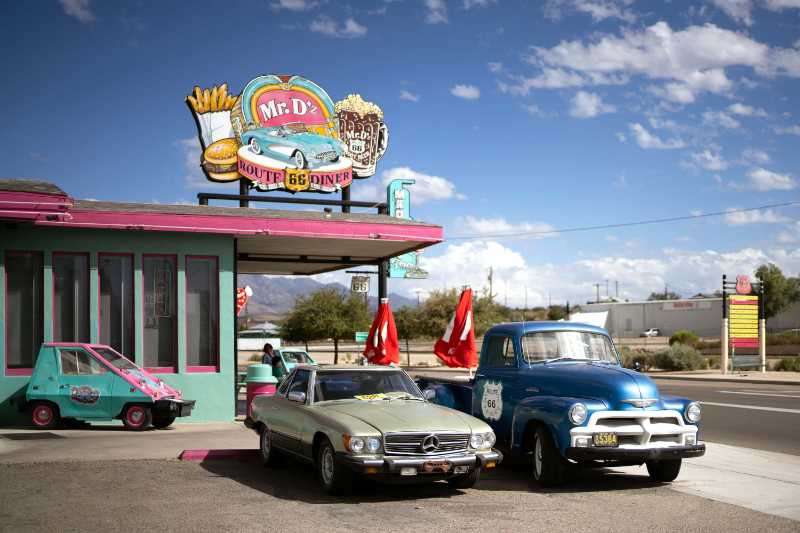
Route 66, famously dubbed the 'Mother Road,' is celebrating its 100th anniversary, standing as a symbol of American journeys that intertwine history and popular culture. This iconic highway stretches from Chicago in Illinois to Santa Monica in California, reflecting the spirit of adventure and discovery that characterized America in the 20th century.
Established in 1926, Route 66 played a significant role in facilitating transportation and trade between states. Over the years, it has transformed into a popular tourist destination, attracting thousands of visitors annually who come to explore its unique landmarks, such as vintage gas stations and traditional diners.
Event Details Celebrating the Centenary
Numerous cities and towns along Route 66 are commemorating this milestone with various events, including art exhibitions and music festivals. Special tours have been organized to allow visitors to discover the historical and cultural sites that enrich the route. A series of restoration projects have also been announced to preserve the historical landmarks that represent a part of American heritage.
These celebrations provide an opportunity to highlight the significance of Route 66 in shaping American cultural identity, symbolizing freedom and mobility. Many participants in the events have noted that Route 66 is not just a road; it is a unique experience that reflects the spirit of adventure.
Historical Context and Background
Historically, Route 66 was part of a network of highways that contributed to the development of the American economy post-World War II. As the number of cars in the United States increased, Route 66 became a primary destination for travelers. Over time, the road has undergone numerous changes, being replaced by modern interstate highways, yet it still retains its allure.
In recent years, interest in Route 66 has surged once again, as many seek to explore the history and culture associated with it. Social media has played a pivotal role in enhancing this interest, with visitors sharing their experiences and photos across various platforms, thereby raising awareness of the road's significance.
Impact and Cultural Significance
Route 66 is regarded as a symbol of American culture and has influenced numerous forms of art and literature. It has been featured in many films and books, further solidifying its status as a tourist destination. The centennial celebrations reflect the importance of cultural heritage in shaping national identity.
The significance of Route 66 transcends American borders, serving as a model for preserving cultural heritage. Other countries can draw lessons from the Route 66 experience in promoting cultural tourism, which can help support local economies.
Relevance to the Arab Region
Although Route 66 is located in the United States, it has implications for cultural tourism in the Arab region. Arab countries can benefit from similar experiences in developing tourism routes that reflect their history and culture. Enhancing cultural tourism can also contribute to fostering mutual understanding among peoples.
In conclusion, Route 66 celebrates its centenary as a symbol of freedom and adventure, underscoring the importance of cultural heritage in shaping national identity. The celebrations held along its length reflect the spirit and rich history of the American community.