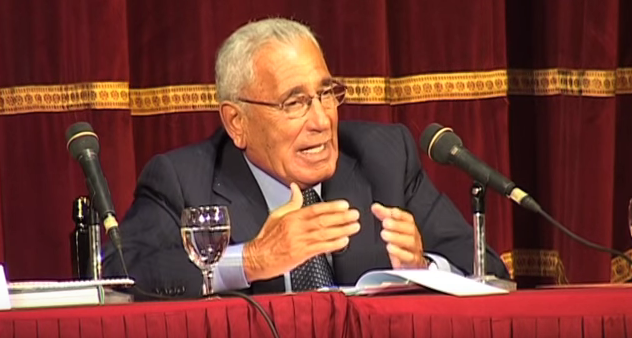
The Bakathir Museum events have launched at the Planetarium Theater in Cairo, marking 115 years since the birth of the late Egyptian writer Mohamed Hussein Heikal. This event is part of efforts to revive Egypt's literary and cultural heritage and to raise awareness about the importance of literature in shaping cultural identity.
The events include a variety of artistic and cultural activities that spotlight Bakathir's life and literary works. He is considered one of the most prominent Arab novelists who influenced modern Arabic literature. This occasion aims to attract audiences of all ages and introduce them to Bakathir's literary legacy.
Event Details
The events will continue for several days, featuring plays inspired by Bakathir's works, as well as seminars and workshops addressing literary and cultural topics. Several writers and critics will participate in the activities to discuss Bakathir's impact on Arabic literature.
This initiative serves as an opportunity to renew interest in Bakathir's works, known for his unique literary style and ability to address social and political issues in his novels. The performances are expected to draw a wide audience interested in literature and culture.
Background & Context
Mohamed Hussein Heikal, known as Bakathir, was born in 1908 in Alexandria. He is regarded as a pioneer of modern Arabic novels, having produced numerous works that reflect the social and political changes in Egypt and the Arab world. His notable novels include The Days and The Devils, which tackled contemporary issues with a distinctive literary style.
Over the years, Arabic literature has undergone significant developments, yet Bakathir's works continue to be studied and discussed in academic circles. This event comes at a time when there is a growing interest in reviving Arabic literary heritage, especially in light of the cultural challenges facing the region.
Impact & Consequences
These events contribute to enhancing literary culture in Egypt and open avenues for new generations to connect with their literary heritage. They also reflect the importance of the arts in unifying society and reinforcing cultural identity.
By highlighting Bakathir's works, these activities may inspire new writers and artists, enriching the literary and artistic landscape of the country. Additionally, this event serves as an opportunity to renew dialogue on contemporary literary and cultural issues.
Regional Significance
This event serves as a model for other Arab countries, where it can enhance interest in literature and culture within communities. Reviving literary heritage helps build a bridge between generations and fosters mutual understanding among different cultures.
In the face of challenges confronting Arab culture, this event demonstrates the importance of the arts in promoting cultural identity and highlights literature's role in expressing social and political issues that concern Arab societies.