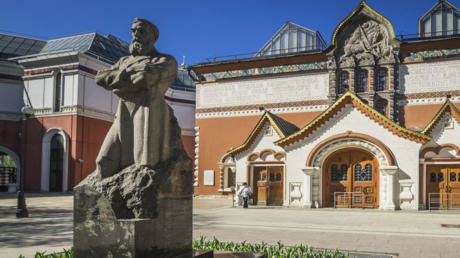
The Tretyakov Gallery in Moscow is celebrating its 170th anniversary, with its origins dating back to May 22, 1856, when businessman Pavel Tretyakov purchased the first painting that would become the core of his famous art collection.
Established as one of the most prominent cultural landmarks in Russia, the gallery houses a vast array of artworks that reflect the history and evolution of Russian art through the ages. Since its inception, it has become a primary destination for artists, researchers, and art enthusiasts from around the globe.
Event Details
The 170th anniversary celebrations of the gallery include a series of cultural and artistic events, such as special exhibitions and seminars discussing the history of the gallery and its impact on Russian art. A curated selection of artworks representing various stages of the gallery's history is on display, allowing visitors to explore the evolution of Russian art over time.
Among the exhibited works are famous paintings by prominent Russian artists such as Ivan Aivazovsky and Vasily Kandinsky, showcasing the diversity and artistic richness that the gallery possesses. A section of the gallery is also dedicated to contemporary arts, reflecting modern trends in the art world.
Background & Context
The Tretyakov Gallery was founded during a period of significant social and cultural changes in Russia. Pavel Tretyakov, the founder of the gallery, aimed to collect artworks that reflect Russian cultural identity. This vision contributed to shaping the gallery into a center for modern Russian art.
Over the years, the gallery has undergone numerous changes and developments, continuously expanding its art collection. It has also played a crucial role in supporting local artists and promoting Russian arts on the international stage.
Impact & Consequences
The Tretyakov Gallery is considered a symbol of Russian culture and art, significantly influencing the artistic movement in the country. By providing a platform for artists, the gallery has contributed to the enhancement and development of visual arts. Its influence has transcended Russian borders, becoming a magnet for artists and researchers worldwide.
The importance of the gallery goes beyond being merely a venue for displaying artworks; it also represents a part of Russian cultural identity. The gallery reflects the aspirations of the Russian people towards arts and culture, enhancing national pride by showcasing artistic achievements.
Regional Significance
The Tretyakov Gallery serves as a model in the Arab world, where its cultural and artistic experience can inspire cultural institutions in Arab countries. By promoting local arts and supporting artists, Arab galleries can play a similar role in enhancing cultural identity.
Cultural and artistic events organized by galleries can also foster understanding among different cultures, contributing to building bridges of communication between peoples. Amid the challenges faced by the region, arts can be an effective means to promote dialogue and tolerance.
In conclusion, the Tretyakov Gallery exemplifies a model for preserving cultural heritage and promoting the arts, highlighting the importance of culture and art in building communities.