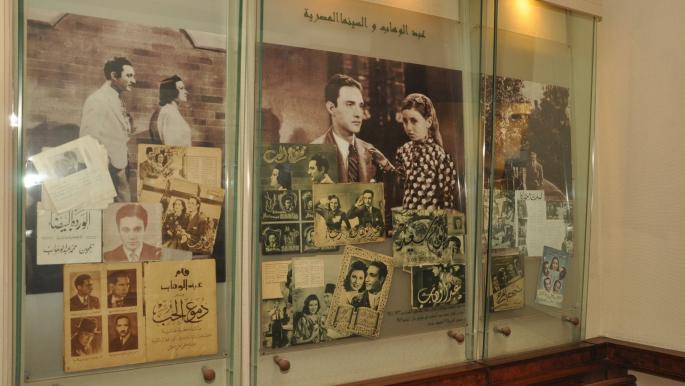
Egypt celebrated the 25th anniversary of the opening of the Umm Kulthum and Mohamed Abdel Wahab museums on May 18, coinciding with International Museum Day. The museums represent an important part of Egypt's cultural and artistic heritage, each housing unique collections that reflect the history of the giants of Egyptian art.
The Umm Kulthum Museum was established in 1997 and contains a wide range of personal and artistic artifacts belonging to the late artist, including her clothing, musical instruments, and rare photographs. The Mohamed Abdel Wahab Museum, which opened in the same year, showcases items that reflect the journey of this great artist who enriched the Arab artistic scene with his timeless works.
Event Details
The celebration of the 25th anniversary of the museums included various activities, such as organized tours for citizens and visitors, along with musical performances inspired by the artists' works. Documentaries highlighting the lives of Umm Kulthum and Abdel Wahab were also screened, providing the audience with a deeper understanding of their artistic journeys.
These events serve as an opportunity to enhance cultural and artistic awareness among new generations, emphasizing the importance of artistic heritage in shaping Egyptian cultural identity. The events witnessed the attendance of numerous public figures and artists, reflecting the significant interest in this occasion.
Background & Context
The museums were established at a time when Egypt was striving to preserve its cultural and artistic heritage, especially in light of the challenges facing traditional arts in the modern era. Umm Kulthum and Abdel Wahab are considered symbols of Arab art, and their works have contributed to shaping the artistic taste of previous generations.
Historically, Umm Kulthum was known as the “Star of the East” and delivered many songs that are still considered timeless in Arab memory. Meanwhile, Mohamed Abdel Wahab is regarded as a pioneer of modern Arab music, having introduced numerous innovations to Arabic song.
Impact & Consequences
The celebration of the 25th anniversary of the museums serves as a call to enhance culture and art within Egyptian society. It also highlights the importance of preserving cultural heritage as part of national identity. Amid the rapid changes the world is experiencing, art and culture remain essential elements that strengthen intergenerational connections.
These activities contribute to promoting cultural tourism, as the museum is an important destination for visitors from around the world. Furthermore, these initiatives reflect the Egyptian government's commitment to preserving and supporting cultural heritage, which aids in boosting the local economy.
Regional Significance
The experience of the Umm Kulthum and Abdel Wahab museums serves as a model for other Arab countries, as it can help enhance arts and culture in the region. Given the challenges facing traditional arts, this model demonstrates the importance of investing in culture as a means to achieve sustainable development.
Many Arab countries are striving to establish similar museums that celebrate local artists, reflecting the importance of the arts in enhancing cultural identity. Celebrating such artistic figures is a step towards reviving cultural heritage and fostering national pride.
In conclusion, the celebration of the 25th anniversary of the Umm Kulthum and Abdel Wahab museums is an important occasion that reflects Egypt's commitment to preserving its cultural and artistic heritage. These events showcase the significance of art in shaping identity and enhancing social bonds between generations.