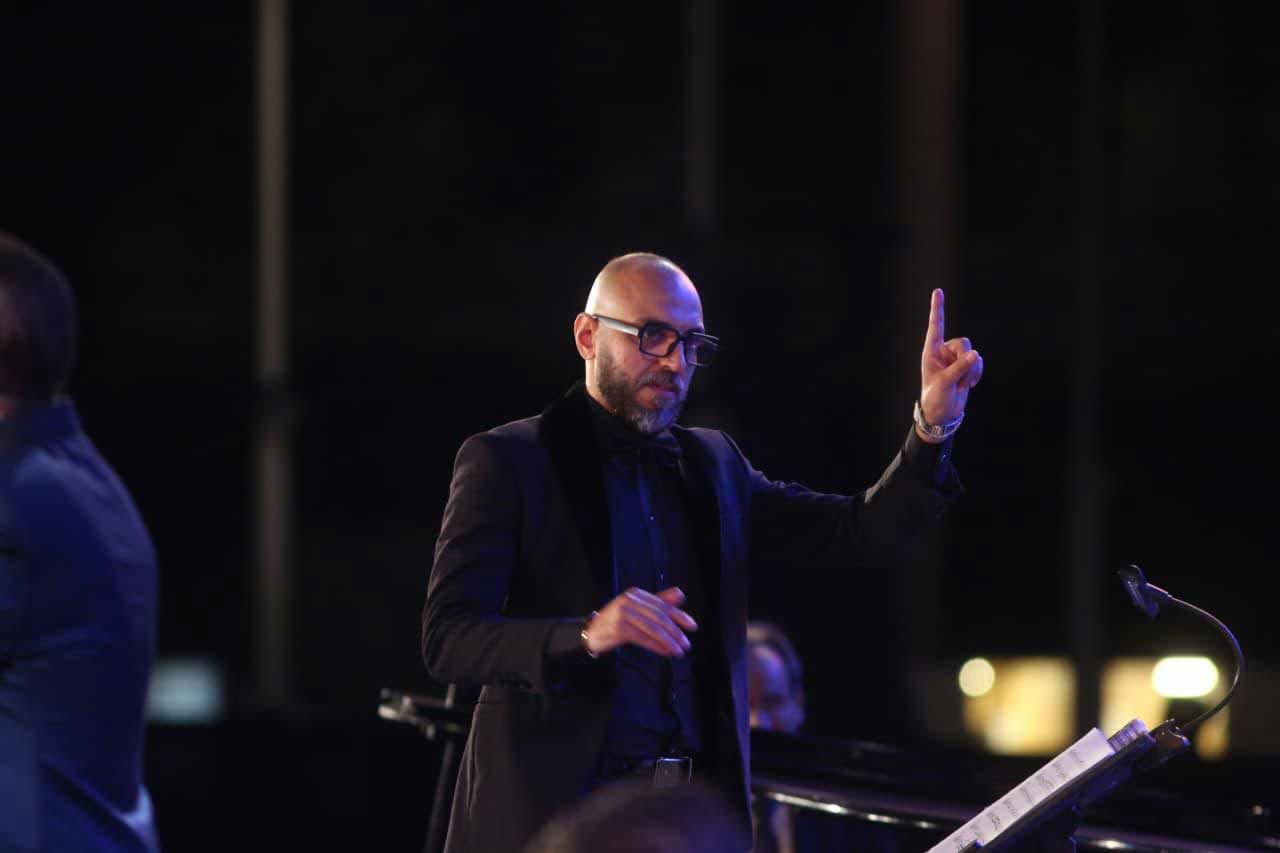
The Egyptian Opera House celebrated the legacy of the great artist Fares Al-Atrash through an exceptional musical evening presented by the Arabic music ensemble. This event is part of the opera's efforts to revive Arab artistic heritage and honor the icons of Arabic music.
The concert featured a collection of Al-Atrash's most famous songs, with the audience responding enthusiastically to the ensemble's outstanding performance. This event brought back memories of Al-Atrash, who is considered one of the most prominent artists in the history of Arabic music, having produced many works that left a significant mark on the hearts of art lovers.
Event Details
The concert began with welcoming words from the opera management, emphasizing the importance of reviving Arab artistic heritage. The Arabic music ensemble then took the stage, performing a selection of popular songs such as "I Love You, O Lebanon" and "You Illuminated the World." The performance was filled with passion, allowing the audience to enjoy every moment of the concert.
The event also included diverse artistic segments, showcasing musical pieces that reflect Al-Atrash's unique style, creating an atmosphere of excitement and joy among attendees. The musicians excelled in delivering the melodies in a professional manner, making the concert an unforgettable artistic experience.
Background & Context
Fares Al-Atrash, born in 1910, is regarded as one of the greatest artists in the Arab world. He produced numerous musical films that achieved great success, along with a vast collection of songs that are still sung today. His works contributed to shaping the Arab musical identity, blending authentic music with modern styles.
These celebrations come at a time when the Arab artistic scene is witnessing an increasing interest in reviving artistic heritage, as many cultural institutions strive to present events that highlight the history of Arab art and appreciate its icons. These efforts reflect a genuine desire to preserve and enhance Arab cultural identity.
Impact & Consequences
These musical evenings serve as a platform to highlight Arab artistic heritage and raise awareness of the importance of culture and art in society. They also contribute to enhancing cultural tourism, as these events attract visitors from around the world, reinforcing Egypt's status as a leading cultural destination.
Moreover, commemorating great artists like Fares Al-Atrash strengthens the bonds between different generations, allowing young people to learn about the history of Arab art through these events, thus contributing to the transmission of artistic heritage to future generations.
Regional Significance
Music and art are essential elements that express the cultural identity of peoples. Celebrating artists like Fares Al-Atrash enhances the cultural spirit in the Arab region and encourages artistic collaboration among Arab countries. Additionally, these events promote understanding and communication between different cultures, contributing to building bridges of dialogue and cooperation.
In conclusion, the celebration of Fares Al-Atrash at the Egyptian Opera House highlights the importance of art in enhancing cultural identity and expresses great appreciation for the artists who contributed to shaping the history of Arabic music. These events are not merely celebrations; they embody the enduring and creative Arab cultural spirit.