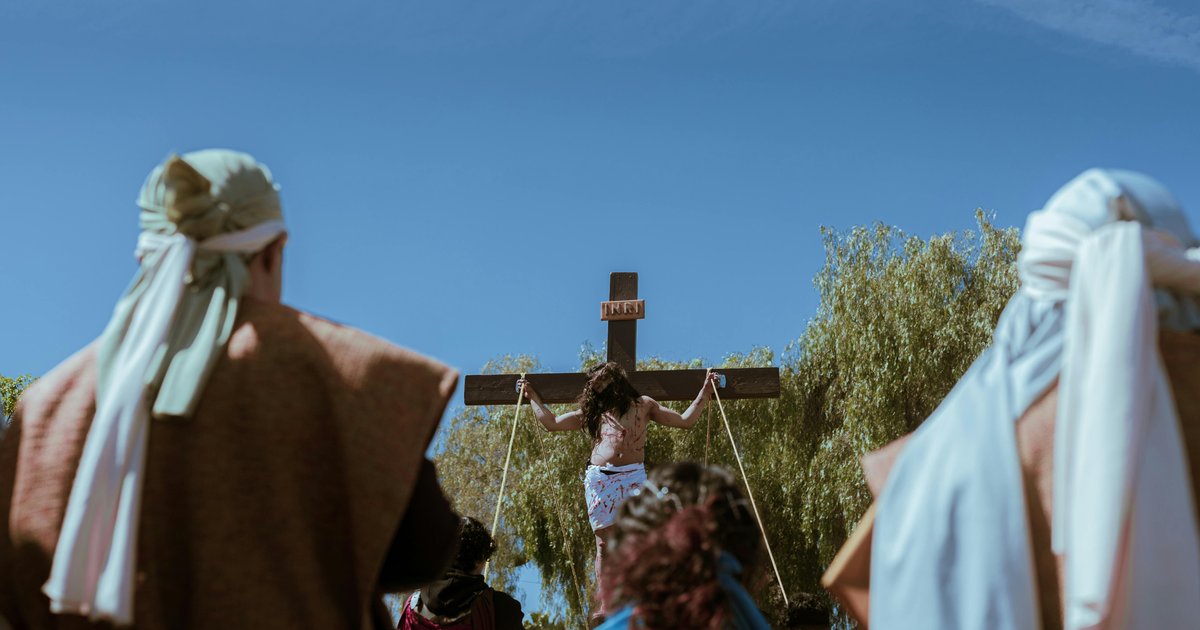
Christianity worldwide commemorates Good Friday and Easter, two of the holiest days in the Christian calendar. These occasions offer a chance to reflect on the meanings of redemption and resurrection, with Easter symbolizing the triumph of life over death.
The celebrations begin with Good Friday, also known as the Day of Crucifixion, where Christians remember the crucifixion of Christ. This day is a symbol of sacrifice and redemption, demonstrating how Christ bore the pains of humanity for their salvation. Following this is Easter, which celebrates the resurrection of Christ from the dead, considered the foundation of the Christian faith.
Details of the Event
Numerous rituals and celebrations take place in various churches around the world during these two days. On Good Friday, special masses are held focusing on readings from the Bible related to the sufferings of Christ, including prayers and reflections that highlight the meanings of redemption. Meanwhile, Easter is marked by joyful celebrations that include hymns and special rituals expressing joy and celebration of Christ's resurrection.
Traditions vary from country to country, with Easter being celebrated in some cultures by consuming special foods, such as colored eggs symbolizing new life. This period is also an opportunity for family gatherings and exchanging greetings.
Background & Context
The roots of these celebrations trace back to early Christianity, where it is believed that Christ was crucified on a Friday and then rose from the dead on Sunday. This event is central to the Christian faith, showcasing the power of faith in overcoming death. Over the centuries, the rituals and traditions associated with these days have evolved to include cultural and social elements that reflect the diversity of Christian communities around the world.
In many countries, these days are considered official holidays, with many businesses closing and special events taking place in churches. Easter, in particular, is an occasion that brings families together and strengthens social bonds.
Impact & Consequences
The celebrations of Good Friday and Easter demonstrate how religion can play a significant role in the lives of individuals and communities. These days provide an opportunity to reinforce spiritual and moral values, encouraging people to reflect on the meanings of redemption and love. Additionally, these occasions strengthen bonds between individuals and promote a spirit of cooperation and sharing.
Moreover, these celebrations serve as an opportunity to enhance religious tourism, as many tourists visit sacred sites in various countries, contributing to local economic support.
Regional Significance
In the Arab region, these occasions are an opportunity to strengthen ties between Christian and Islamic communities. The celebration of Easter and Good Friday illustrates how different religions can coexist and celebrate cultural and religious diversity. These occasions also promote mutual understanding between religions, contributing to the enhancement of peace and tolerance.
In conclusion, Good Friday and Easter are significant occasions that carry deep meanings in the Christian faith, enhancing social and cultural ties in communities. Understanding these days contributes to fostering dialogue between religions and demonstrates how spiritual values can positively impact societies.