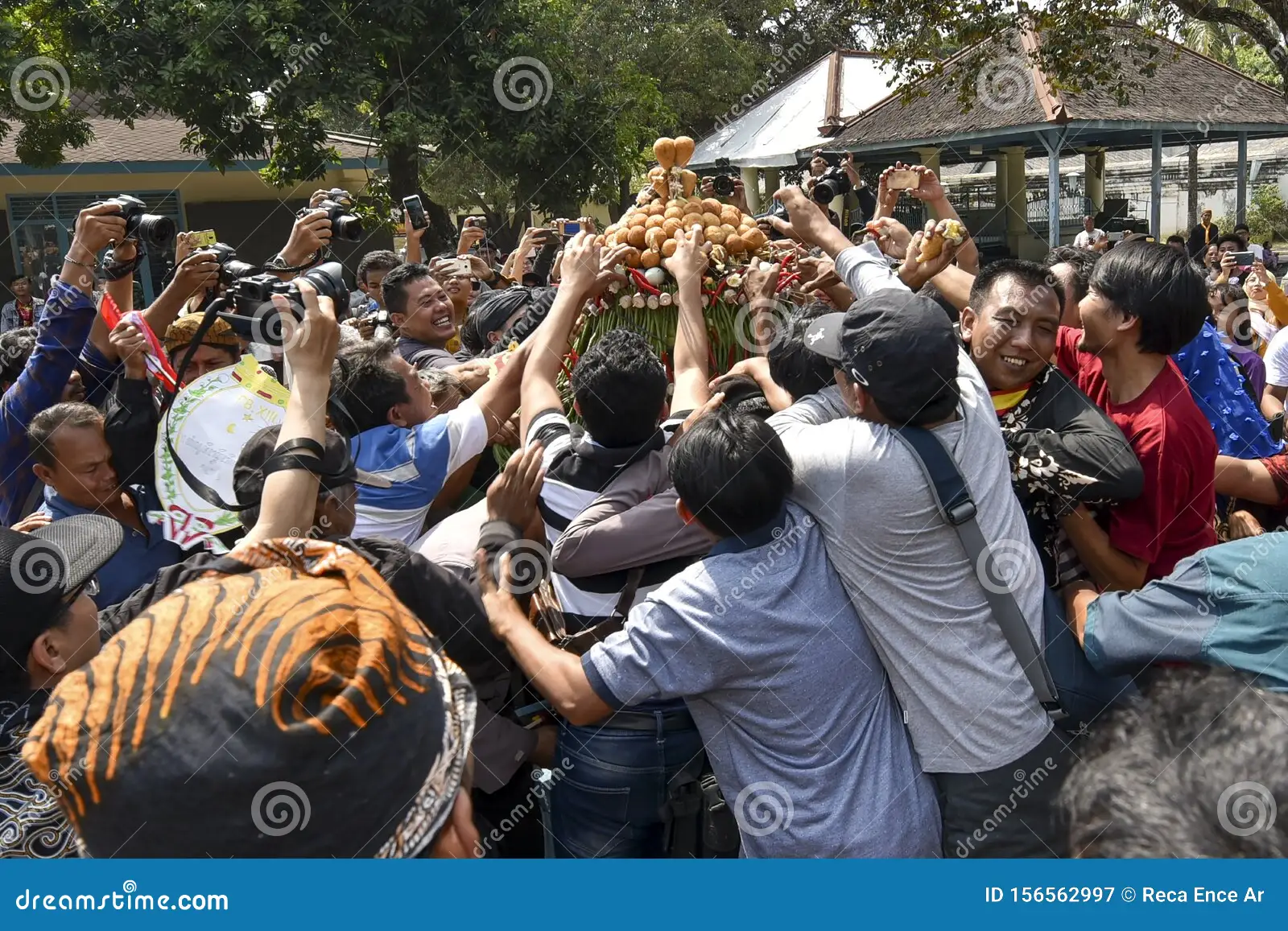
The city of Solo, Indonesia, celebrated the Grebeg Syawal festivities on Saturday, March 28, 2026, where thousands of visitors and locals gathered to partake in this unique cultural occasion. Grebeg Syawal is an annual tradition celebrated by Muslims in Indonesia to mark the end of the holy month of Ramadan, featuring a variety of artistic and cultural performances.
The celebrations included colorful parades and traditional musical performances, with participants donning traditional attire that reflects the region's rich cultural heritage. Additionally, activities for children and workshops for arts and crafts were organized, adding a joyful and festive atmosphere to the event.
Event Details and Highlights
Participants gathered in Solo early in the morning, as the parades commenced from the city center, passing by key tourist attractions. The celebrations featured local musical groups and traditional dance performances, capturing the attention of visitors and tourists who flocked from various parts of the country.
A local bazaar was also organized to showcase traditional handicrafts and food products, contributing to the support of the local economy and enhancing tourism. Many visitors expressed their admiration for the festive atmosphere and the warm hospitality of the people of Solo.
Background & Context
Grebeg Syawal is considered part of Indonesia's cultural heritage, with roots tracing back to the medieval period. This occasion is celebrated at the end of Ramadan, where traditional foods are served and gifts are exchanged among families. The event serves as an opportunity to strengthen social bonds within the local community.
Over the years, the Grebeg Syawal celebrations have evolved into a tourist event that attracts visitors from across Indonesia and beyond. The local government has played a significant role in promoting this event by organizing activities and providing the necessary infrastructure to welcome visitors.
Impact & Consequences
The Grebeg Syawal celebrations in Solo illustrate how culture and heritage can play a vital role in enhancing tourism and the local economy. By attracting visitors, the local community can benefit from the economic returns that come with tourism, contributing to an improved standard of living.
This event also serves as an opportunity to foster cultural understanding among peoples, allowing visitors to experience Indonesian heritage up close. This celebration can be seen as a model for other countries seeking to enhance cultural tourism.
Regional Significance
Indonesia is one of the largest Muslim-majority countries in the world, and the Grebeg Syawal celebrations showcase how Islamic culture can manifest in diverse forms. For Arabs, this event could serve as inspiration for developing similar cultural activities that promote Arab and Islamic heritage.
Furthermore, these events can contribute to strengthening cultural relations between Arabs and Indonesians, enhancing mutual understanding among different cultures.
In conclusion, the Grebeg Syawal celebrations in Solo are not merely a religious occasion but a manifestation of Indonesian cultural heritage, reflecting the importance of culture in promoting tourism and supporting the local economy.