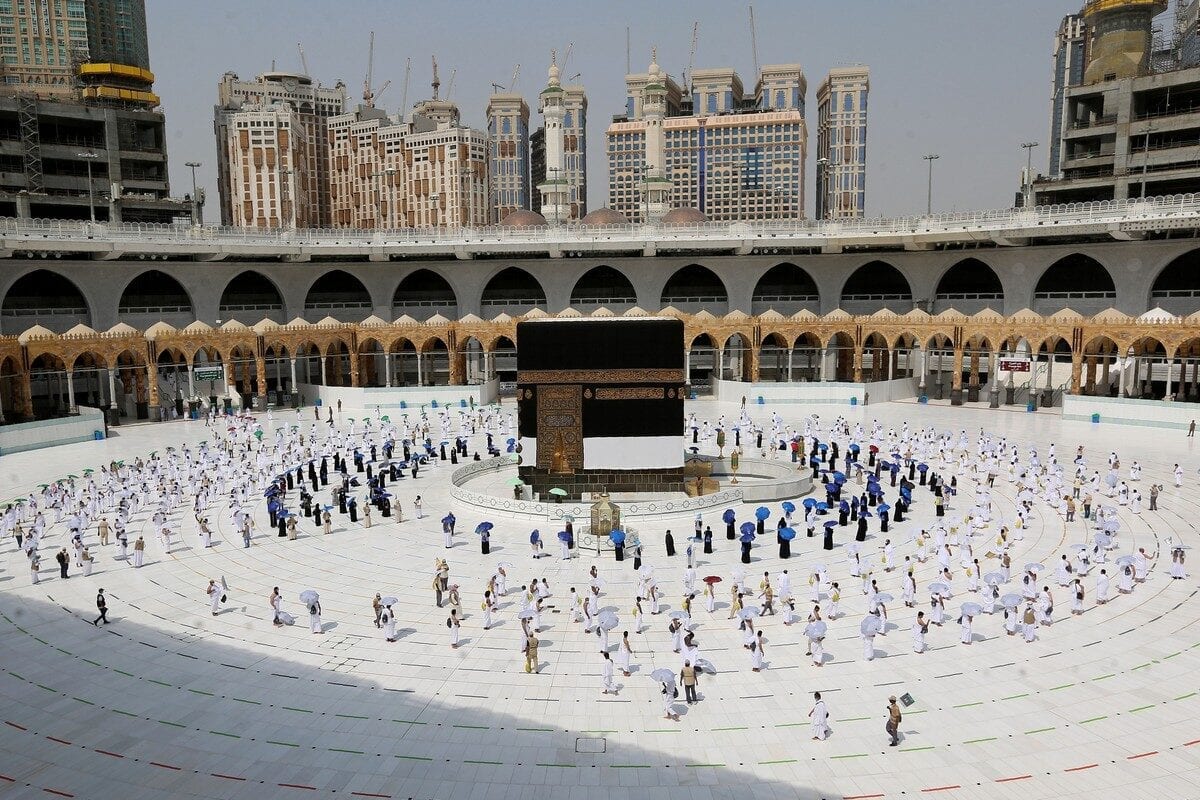
The rituals of Hajj and Eid al-Adha are among the most significant religious events in the Islamic calendar, where Muslims gather from all corners of the globe in Mecca to perform Hajj, while others celebrate Eid al-Adha in their home countries. Hajj is a fundamental obligation in Islam, regarded as the fifth pillar of the faith, which every capable Muslim must perform at least once in their lifetime.
The Hajj rituals commence on the eighth day of Dhul-Hijjah, as pilgrims head to Mina, then to Arafat for the standing, which is one of the most important rites of Hajj. Following this, pilgrims proceed to Muzdalifah and then return to Mina to throw stones at the pillars. These rituals are not merely religious acts; they reflect values of solidarity and equality among Muslims.
Event Details
Eid al-Adha follows the completion of Hajj and is celebrated on the tenth day of Dhul-Hijjah. Also known as the Festival of Sacrifice, Muslims perform the sacrifice of animals in remembrance of the Prophet Ibrahim (Abraham). This holiday serves as an opportunity to strengthen family and social bonds, as people exchange greetings and gifts.
The customs of celebrating Eid al-Adha vary from country to country, but the core values remain the same: sacrifice, generosity, and sharing. In many countries, Eid prayers are held in mosques and public squares, where Muslims gather to perform the prayer and listen to the Eid sermon.
Background & Context
Historically, Hajj dates back to the time of the Prophet Ibrahim, who is considered one of the greatest prophets in Islam. It is believed that the Kaaba, regarded as the holiest site in Islam, was built by divine command. Over the centuries, the rituals of Hajj have evolved, taking on a global character that attracts millions of Muslims annually.
Eid al-Adha, on the other hand, is celebrated across the Islamic world and serves as a reminder of the importance of altruism and sacrifice. The holiday demonstrates how Muslims can unite around shared values, regardless of their cultural or ethnic differences.
Impact & Consequences
Hajj and Eid al-Adha represent an opportunity to reinforce Islamic identity, as Muslims from diverse cultures and nationalities come together in one place. This interaction enhances the spirit of unity and brotherhood among Muslims and showcases to the world the strength of Islam in bringing people together.
Moreover, Hajj is a significant contributor to the Saudi economy, greatly impacting religious tourism. The number of pilgrims is estimated in the millions each year, boosting commercial activity in Mecca and its surrounding areas.
Regional Significance
The effects of Hajj and Eid al-Adha transcend geographical boundaries, as these occasions strengthen ties between Arab and Islamic countries. These events are opportunities for cultural exchange and enhancing cooperation among Islamic nations.
In conclusion, Hajj and Eid al-Adha illustrate how religion can serve as a bridge for communication and understanding among peoples. They are occasions that promote human values and remind everyone of the importance of unity and solidarity.