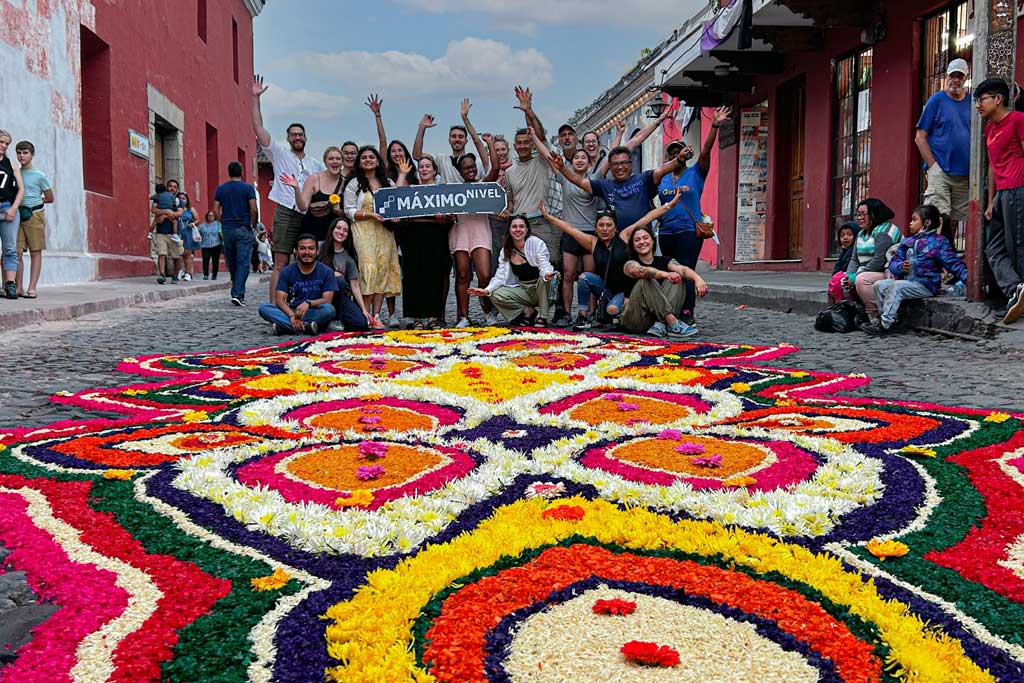
Christians throughout Latin America and the Caribbean celebrated Holy Week, a religious event of special significance to Christian denominations. This year's celebrations were marked by a variety of activities, with major cities like Mexico City, Buenos Aires, and São Paulo witnessing massive gatherings of worshippers participating in traditional religious rituals.
The celebrations included large processions, communal prayers, and artistic performances that reflect the region's rich cultural heritage. Streets were adorned with flowers and lights, creating an atmosphere of spirituality and festivity. These events provide communities with an opportunity to express their faith and strengthen social bonds.
Event Details
In Mexico City, thousands gathered in the famous Zócalo square, where a massive procession depicted the events of Holy Week. Participants wore traditional clothing, raised flags and religious images, while musical bands played melodies that captured the spirit of the occasion. In Buenos Aires, the city's cathedral hosted grand celebrations, featuring special masses attended by numerous public figures.
Other cities in the Caribbean, such as Santa Domingo and Havana, also witnessed similar celebrations, attracting visitors and tourists who came to watch and participate in the events. These celebrations are not merely religious rituals; they also serve as occasions to enhance cultural identity and deepen intergenerational bonds.
Background & Context
Holy Week is a fundamental part of the Christian calendar, celebrated worldwide. Its origins date back to the Middle Ages when Catholic churches commemorated it in various ways. In Latin America, these celebrations have evolved to become an integral part of local culture, blending religious traditions with popular customs.
These festivities provide an opportunity to strengthen social ties within communities, as people of different ages and backgrounds come together to celebrate. They also play a significant role in boosting tourism, as many tourists visit the region during this period to enjoy cultural and religious experiences.
Impact & Consequences
The celebrations of Holy Week contribute to reinforcing cultural and religious identity in Latin America, reflecting the diversity of communities and their rich history. These events also strengthen social connections among individuals, contributing to social cohesion amid the economic and political challenges faced by many countries in the region.
Furthermore, these celebrations play an important role in promoting religious tourism, attracting visitors from around the world, which supports the local economy. They also foster mutual understanding between different cultures, as visitors learn about local traditions and customs.
Regional Significance
The Holy Week celebrations in Latin America exemplify how to preserve cultural and religious identity amid global changes. Arab communities can benefit from this experience by enhancing their own cultural and religious traditions, which can contribute to social cohesion and national identity.
These celebrations could also play a role in promoting religious tourism in Arab countries, where similar events reflecting the region's cultural and religious heritage could be organized, attracting visitors and boosting the local economy.