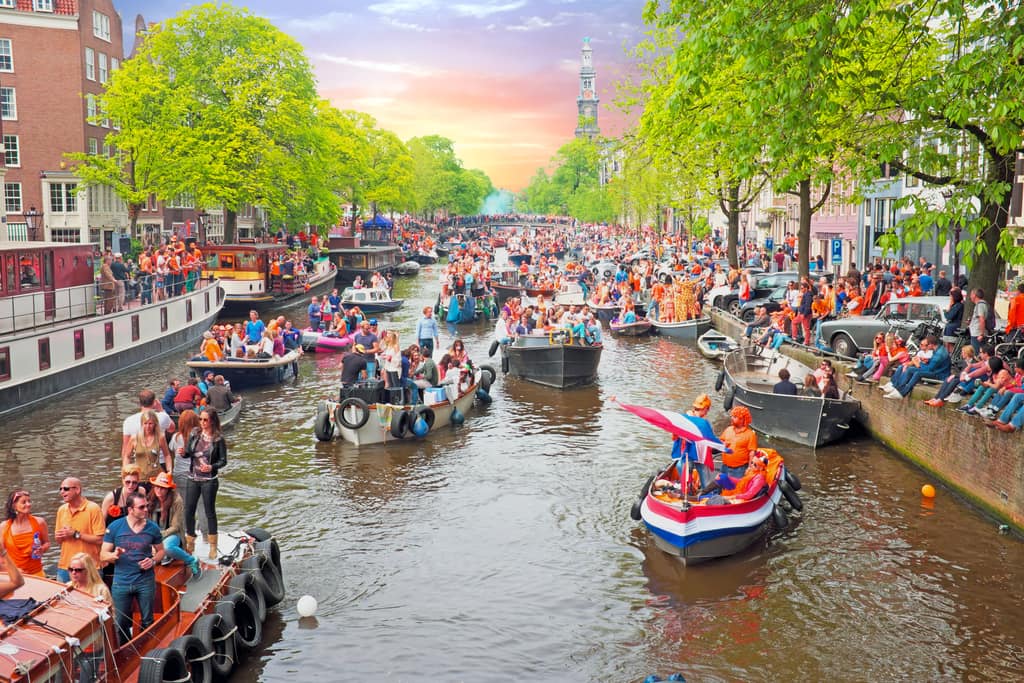
On April 27, the Netherlands celebrated King's Day, a national holiday that symbolizes the birth of King Willem-Alexander. The capital, Amsterdam, was filled with a distinctive festive atmosphere, where thousands of citizens and visitors gathered in the streets to celebrate this national occasion.
The city was adorned in vibrant orange, the national color of the Netherlands, with many revelers donning outfits in this hue. The celebrations featured a variety of events, including musical performances and local markets selling regional products.
Event Details
King's Day, also known as Koningsdag, is an annual occasion celebrated in the Netherlands since 1885. This day aims to promote national spirit and solidarity among citizens. This year, the festivities included diverse activities such as musical shows, cultural events, and sports activities.
Concerts were organized throughout the city, featuring performances by both local and international artists. Additionally, special areas were designated for children, allowing them to enjoy games and recreational activities.
Background & Context
Historically, the celebration of King's Day dates back to 1885 when the birth of Queen Wilhelmina was celebrated. Since then, this day has become a symbol of national unity. In recent years, the celebrations have evolved significantly, encompassing a wide range of activities that reflect the cultural diversity of the Netherlands.
This occasion serves as an opportunity for citizens to express their love for their country and strengthen social bonds among themselves. It also attracts tourists from around the globe, contributing to the local economy.
Impact & Consequences
The King's Day celebrations provide an opportunity to enhance national identity and deepen citizens' sense of belonging. The events associated with this day also contribute to boosting tourism, as many tourists visit Amsterdam to enjoy the festive atmosphere.
These celebrations also support the local economy, as markets and shops become vibrant. Furthermore, the cultural and artistic events reflect the cultural diversity in the Netherlands, enhancing the country's image as a unique tourist destination.
Regional Significance
Although the King's Day celebrations focus on Dutch national identity, they have far-reaching effects on international relations. These celebrations reflect the importance of unity and solidarity, values that resonate with many Arab cultures.
Arab countries can draw lessons from the Netherlands' experience in promoting national identity through organizing cultural events that encourage unity and solidarity among citizens. Additionally, enhancing tourism through national events can serve as a model to emulate.
In conclusion, the King's Day celebrations in the Netherlands embody the national spirit and reflect values that can inspire many countries in the Arab region.