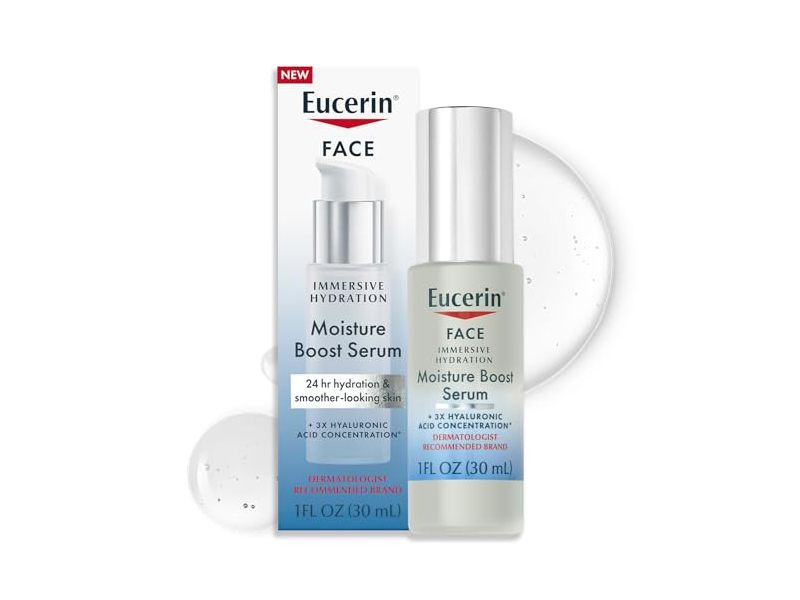
The UK Advertising Standards Authority has banned an advertisement for the Eucerin Hyaluron-Filler Epigenetic face serum, which claimed that it could make users appear five years younger. This decision came after a single complaint was filed regarding the advertisement that appeared in a subway station in London.
The advertisement, priced at £49, asserted that the product was "scientifically supported" following a study involving 160 participants who used the serum for four weeks and were asked to evaluate how youthful they looked. However, the Advertising Standards Authority (ASA) raised concerns about the study's methodology, noting that the results were subjective and based on participant reports.
Details of the Event
The ASA reported that the study did not include a control group, nor was there clarity on how participants were selected. Additionally, the serum was tested in a climate different from that of the UK, which could affect its efficacy. Furthermore, the three other pieces of evidence provided by Beiersdorf to support its claims were unpublished research, raising further doubts about their credibility.
In response to the investigation, Beiersdorf confirmed that the claim that the serum makes users look "up to" five years younger reflects the maximum possible result and not a typical outcome. Nevertheless, the authority asserted that the advertisement was misleading and could not be displayed in the same manner again.
Background & Context
The cosmetics industry is often criticized for exaggerated claims. In recent years, concerns about misleading advertisements targeting consumers have increased, especially with the growing awareness of the importance of transparency in marketing. In this context, this decision is seen as a significant step towards protecting consumers from unsupported claims.
Calls from ethical marketing experts, such as Liane Sykes, are increasing, emphasizing the need for thorough skin analyses over extended periods to support any claims. They also urge consumers to ask questions before believing any marketing assertions.
Impact & Consequences
This decision could have a significant impact on the cosmetics industry, potentially leading to increased scrutiny of advertisements. Companies may adopt more precise methods in marketing their products to ensure they do not face similar criticisms. Additionally, this ruling may encourage consumers to be more aware and cautious in their choices.
Moreover, this could foster a culture of transparency in marketing, where companies are expected to provide strong scientific evidence to support their claims. This development may contribute to building greater trust between consumers and brands.
Regional Significance
In the Arab region, where the popularity of cosmetics and skincare products is on the rise, this decision could have a similar impact. Arab consumers may increasingly seek products backed by strong scientific evidence, prompting companies to enhance their marketing practices.
The growing awareness of the importance of transparency in advertisements may lead to changes in how products are marketed in Arab markets, thereby enhancing consumer rights and increasing trust in brands.