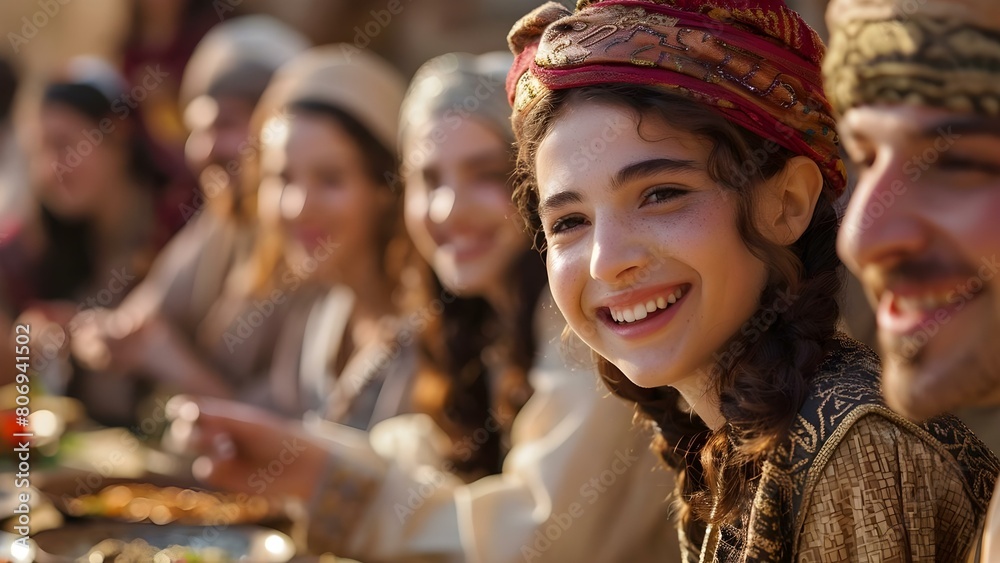
Every year, Jews around the world celebrate Passover, a tradition that spans thousands of years, where they reenact the story of liberation from slavery in ancient Egypt. This celebration, also known as Pessach, symbolizes a powerful message of freedom and cultural identity, bringing families and friends together around a special meal that includes foods with historical significance.
The celebration typically begins in the evening, as Jews gather in their homes to partake in the Seder meal, which includes unleavened bread and bitter herbs, symbolizing the suffering endured by their ancestors. During this meal, the text of the Haggadah is read, recounting the story of the Exodus from Egypt and emphasizing the importance of freedom in human life.
Event Details
Passover is one of the major holidays in Judaism, lasting for eight days. This holiday serves as a constant reminder of the importance of freedom and human dignity. During this period, Jews refrain from eating leavened bread, replacing it with unleavened bread known as Matzah. This tradition is part of the religious rituals that reinforce the cultural and religious identity of Jews.
Passover celebrations also include many other rituals, such as lighting candles, reciting prayers, and singing traditional hymns. This holiday is seen as an opportunity to renew family and social bonds, as relatives and friends come together to celebrate.
Background & Context
The roots of Passover trace back to the story of the Israelites' Exodus from Egypt, considered one of the most significant narratives in the Bible. According to Jewish tradition, the Jews suffered slavery in Egypt for 400 years before being led to freedom by the prophet Moses. This Exodus represents a turning point in Jewish history, marking their emergence as an independent nation.
Over the centuries, Passover has evolved into a symbol of freedom not only for Jews but also for many other peoples who have suffered oppression and injustice. This holiday serves as a reminder of the importance of the struggle for freedom and justice.
Impact & Consequences
Passover represents an opportunity to strengthen cultural and religious identity among Jews, and it is also a time for reflection on issues of freedom and justice in the contemporary world. Amid the challenges faced by Jewish communities, Passover remains a symbol of hope and renewal.
The celebrations of Passover illustrate how ancient traditions can remain alive in the hearts of people, fostering a spirit of solidarity and cooperation among communities. This holiday also serves as a platform to highlight human rights and freedom issues globally.
Regional Significance
Although Passover is a Jewish celebration, it has implications for the Arab region as well. The celebration demonstrates how shared history can shape relationships between peoples. At a time when many Arab countries are experiencing conflicts, Passover is an opportunity to reflect on the importance of peace and understanding between different cultures.
The celebration of Passover can contribute to enhancing dialogue among diverse communities, helping to build bridges of understanding and cooperation. Ultimately, Passover stands as a symbol of freedom and hope, calling everyone to strive for a better world.