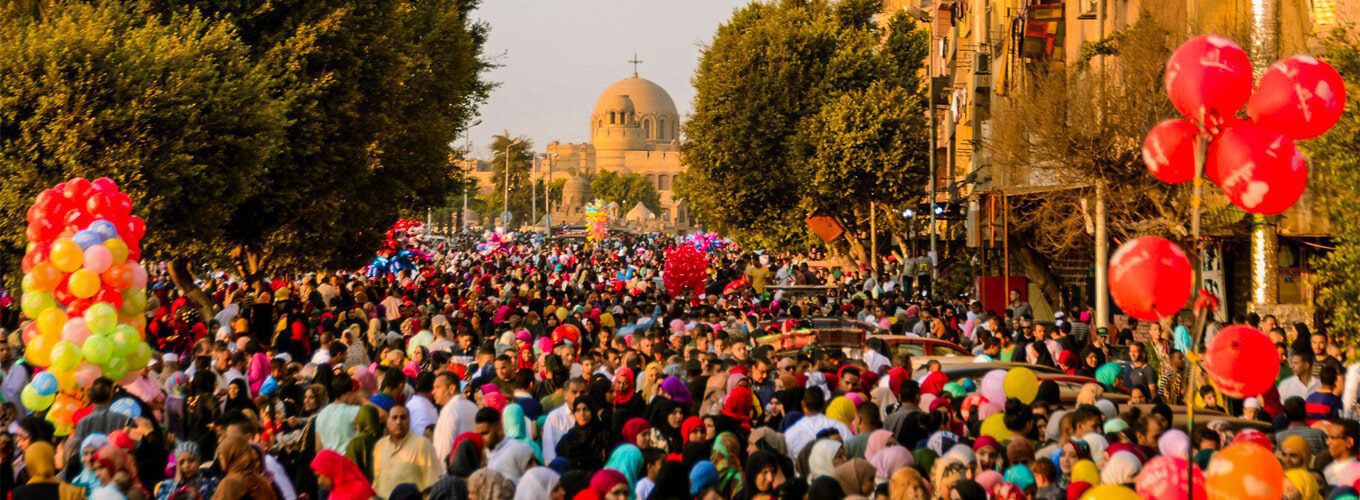
Egypt is gearing up for the celebration of Sham El-Nessim in 2026, which will fall on Monday, April 25. Sham El-Nessim is one of the popular holidays celebrated by Egyptians at the start of spring, where individuals and families gather in parks and beaches to enjoy the spring atmosphere.
This holiday comes after a series of official holidays, with several remaining in 2026 that citizens are eagerly anticipating. Among these holidays are Eid al-Fitr, Eid al-Adha, and the anniversary of the June 30 Revolution.
Details of the Event
Sham El-Nessim is an ancient tradition that dates back to Pharaonic times, where Egyptians celebrated it as a symbol of new life. Today, this tradition continues, with people enjoying colored eggs and smoked fish while reveling in the spring atmosphere.
In 2026, Sham El-Nessim will coincide with several other occasions, making it an opportunity for families to gather and celebrate. This holiday also provides many companies and institutions with a chance to organize special events for the occasion.
Background & Context
The history of Sham El-Nessim goes back over 4,500 years, as it was celebrated by ancient Egyptians as part of their agricultural calendar. Over time, this tradition has evolved into a part of modern Egyptian culture, where everyone participates regardless of religion or social background.
This holiday serves as an opportunity to strengthen family and social bonds, as people head to public parks and beaches to celebrate with friends and family. The Egyptian government supports these events by organizing recreational and cultural activities during the holiday period.
Impact & Consequences
Sham El-Nessim positively impacts the local economy, as domestic tourism increases. Many Egyptians head to coastal cities like Alexandria and Sharm El-Sheikh, boosting commercial activity in these areas.
This holiday also contributes to enhancing national spirit and belonging, as citizens share in celebrating their heritage and culture. Sham El-Nessim is an opportunity to remind new generations of the importance of preserving Egyptian cultural heritage.
Regional Significance
Sham El-Nessim is part of the Egyptian cultural identity and may inspire other Arab countries to celebrate their own traditions. Although Sham El-Nessim is distinctly Egyptian, spring celebrations in other Arab countries also reflect the cultural diversity of the region.
These celebrations contribute to enhancing tourism among Arab countries, as they can serve as an opportunity for cultural exchange and tradition sharing. Celebrating such occasions strengthens the bonds between Arab peoples.
In conclusion, Sham El-Nessim remains a symbol of joy and renewal in Egyptian culture, providing an opportunity for social interaction and strengthening family ties.