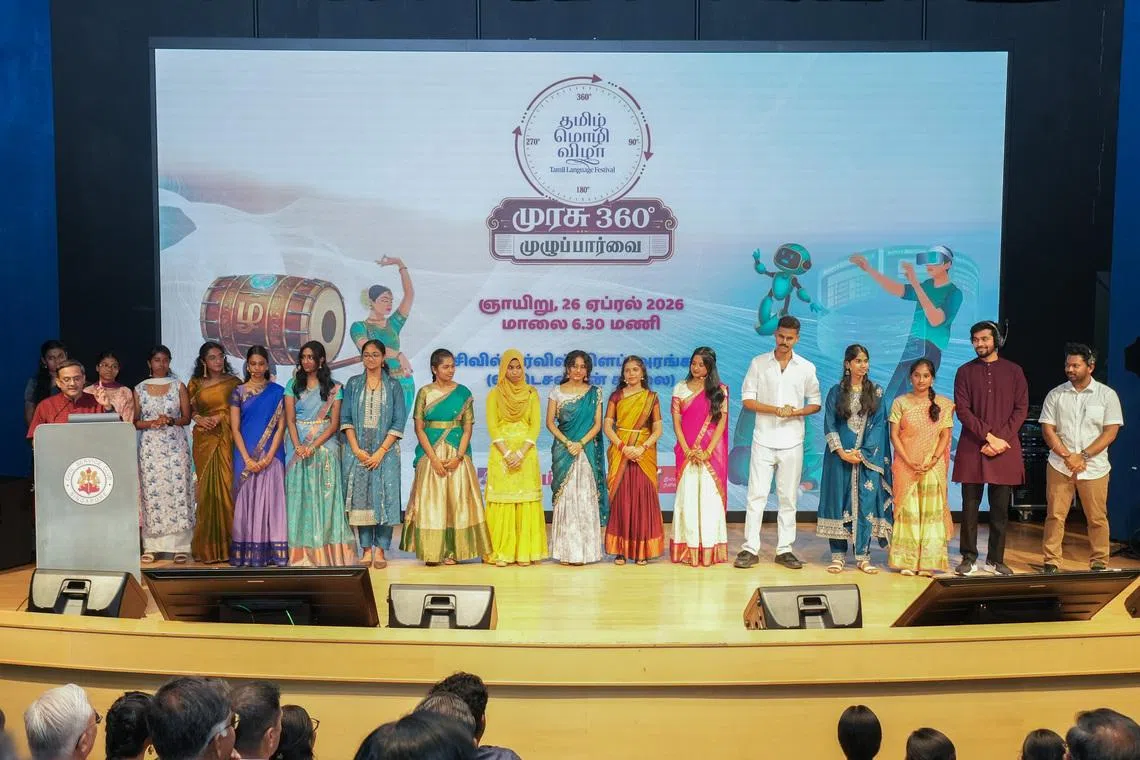
The Tamil Language Festival, which lasted for a full month, celebrated a unique cultural and literary diversity, focusing on the importance of the Tamil language in society. The festival featured a variety of cultural events, including artistic performances and literary discussions, that brought together different generations, with the youth playing a pivotal role in these celebrations.
The festival included a range of activities such as literary workshops, theatrical performances, and cultural seminars, which contributed to enhancing cultural awareness among participants. Community programs were also organized to promote Tamil identity and teach the language to new generations, reflecting the importance of preserving cultural heritage.
Event Details
The festival was held at several key locations, attracting a wide audience from various age groups. Diverse events were organized, such as literary competitions and musical performances, which highlighted the creativity of youth in literature and the arts. Awards were presented for the best contributions, encouraging more young people to engage in cultural activities.
One of the most notable segments was the literary discussion that brought together renowned writers and talented youth, where opinions were exchanged about the future of Tamil literature. Participants expressed great enthusiasm for sharing their thoughts and feelings through literature, reflecting their desire to promote Tamil culture.
Background & Context
The Tamil language is considered one of the oldest languages in the world, with a long history spanning thousands of years. Its speakers enjoy a rich cultural heritage that includes literature, music, and arts. In recent years, efforts have increased to preserve this language and teach it to new generations, especially in light of the challenges faced by lesser-used languages worldwide.
These celebrations coincide with broader efforts to maintain linguistic and cultural diversity globally, as many languages are endangered due to globalization and social changes. Therefore, the Tamil Language Festival represents an important step towards enhancing cultural identity.
Impact & Consequences
The Tamil Language Festival serves as an opportunity to enhance cultural pride among its speakers and reflects the significance of language in shaping identity. Additionally, events focusing on youth contribute to building a new generation of creators who can help develop Tamil literature and arts.
Moreover, these celebrations highlight the importance of collaboration between different generations, strengthening social bonds and encouraging cultural dialogue. The success of the festival can serve as a model for other cultural festivals in various regions.
Regional Significance
Although the festival focuses on Tamil culture, there are lessons that Arab communities can learn. Promoting cultural identity and language is also crucial in the Arab world, where many local languages face similar challenges. Such events can inspire Arab communities to enhance their culture and language, contributing to the preservation of cultural heritage.
In conclusion, the Tamil Language Festival serves as a model for how to celebrate culture and language, reflecting the important role of youth in preserving cultural identity. Such events are not merely celebrations; they are an investment in the cultural future of upcoming generations.