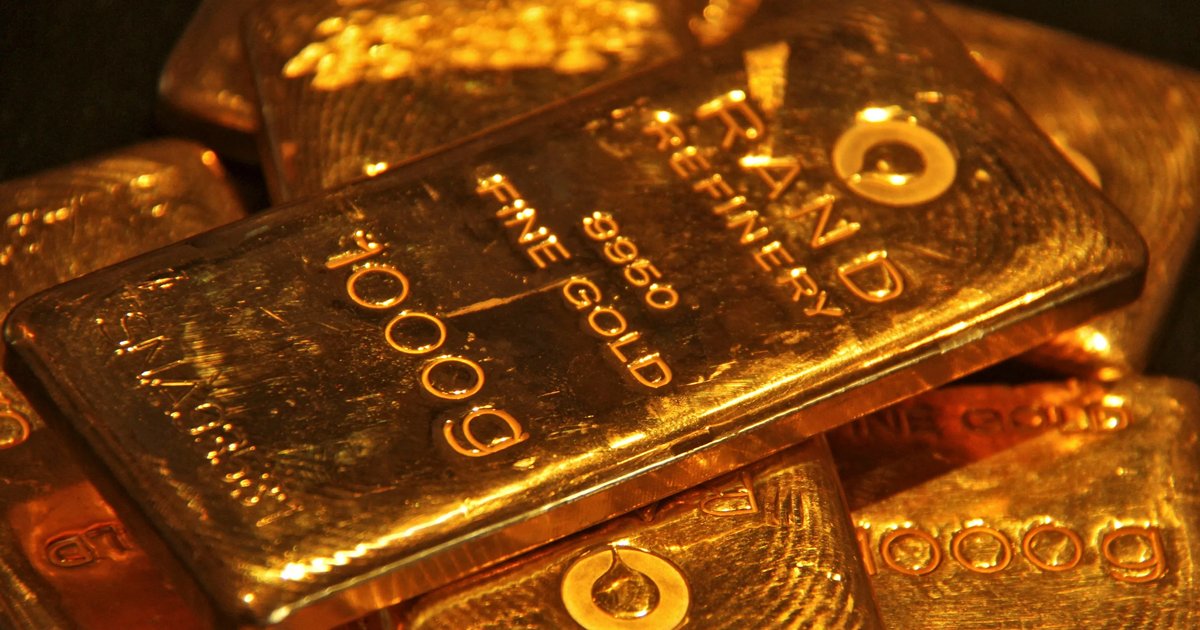
Central banks around the globe experienced a substantial increase in their gold holdings during the first quarter of 2026, with net purchases reaching 244 tons, marking the highest buying pace in over a year. This wave of purchases was prompted by a decline in gold prices, allowing central banks to bolster their reserves.
According to estimates from the World Gold Council, which represents the sector, purchases rose compared to 208 tons in the previous quarter. Countries such as Poland, Uzbekistan, and China topped the list of the largest buyers, although some other purchases were not disclosed.
Details of the Event
Gold prices fluctuated sharply throughout the current year, peaking at record levels in late January before declining in March following the outbreak of conflict between the United States and Iran. Multiple factors influenced the prices of the precious metal, including rising energy costs, which bolstered expectations that borrowing costs would remain unchanged or even be raised by central banks to combat inflation. These conditions pose challenges for gold, which does not yield returns.
John Reed, chief strategist at the World Gold Council, noted that this is the first time in a long while that we are witnessing a reasonable correction in gold prices. He added that this correction provided central banks, which had been hesitant in their decision-making, an opportunity to enter the market and acquire large quantities of gold.
Background & Context
This increase in purchases comes at a time when several central banks have reduced their holdings, with countries like Turkey, Russia, and Azerbaijan joining a number of smaller banks and sovereign wealth funds in selling 115 tons of gold during the same period. This raised concerns about the continued institutional demand for gold, a trend that has contributed to rising prices over the years.
The motivations for each bank's selling were different; Turkey sought to protect its currency and economy from the fallout of the conflict, while Russia sold gold to cover its budget deficit, and Azerbaijan aimed to reduce its holdings within permissible limits.
Impact & Consequences
Data shows that the spot price of gold was slightly below $4,600 per ounce just before the release of the World Gold Council report. The price reached a record high near $5,600 on January 29, before dropping by 12% in March, marking the largest monthly decline since 2008.
It is noteworthy that a significant portion of central bank purchases is not disclosed and is not included in International Monetary Fund statistics. The consulting firm Metals Focus estimates purchases on behalf of the World Gold Council using a mix of official data, trade statistics, and field research.
Regional Significance
The increase in gold holdings by central banks is an indicator of important economic trends, reflecting countries' desire to enhance their reserves of precious assets amid global economic fluctuations. This trend could impact the stability of financial markets in the Arab region and strengthen the position of countries seeking to protect their economies from volatility.
In conclusion, these developments in the gold market underscore the importance of the precious metal as a safe haven during times of economic uncertainty, making it vital for investors and decision-makers to monitor market movements closely.