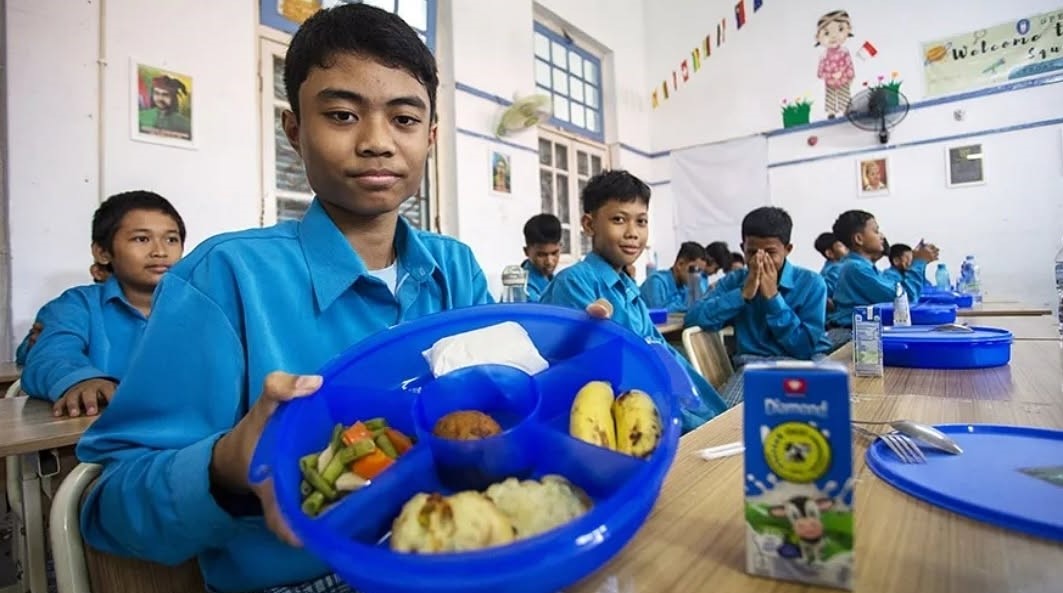
The head of Indonesia's National Nutrition Agency, Dadian Hindayana, revealed that the 'Free Nutritional Foods' (MBG) program has contributed to achieving a financial turnover of 6 trillion rupiah monthly in West Java. The program aims to enhance the local economy by supporting food supply chains and providing food to those in need.
Hindayana explained that the design of the MBG program focuses on creating economic turnover in regions by directly distributing the budget to Nutrition Service Providing Units (SPPG). There are approximately 6,200 units in West Java, indicating that the program significantly contributes to the flow of money within the community.
Program Details
Hindayana stated that the total budget allocated for the program reaches 268 trillion rupiah, making it one of the largest financial interventions impacting the lives of citizens in local areas. Funds are transferred directly to the regions through virtual accounts for each SPPG unit, with around 248-249 trillion rupiah flowing to the grassroots and spent locally.
Each SPPG unit is managed with a budget of up to 1 billion rupiah monthly, with approximately 70% of this budget allocated for purchasing food, primarily sourced from local agricultural, animal, and fishery products. This reflects a trend towards enhancing food self-sufficiency in the regions.
Background & Context
Historically, Indonesia has faced significant challenges in food security, suffering from malnutrition and high poverty rates. However, the MBG program represents a strategic step towards improving nutritional status and boosting the local economy. This initiative reflects the Indonesian government's commitment to achieving sustainable development and enhancing the living standards of its citizens.
This program comes at a critical time when there is an increasing need for innovative solutions to address economic and social challenges. By providing free food, the program aims to reduce the economic gap and improve living conditions for the most vulnerable groups.
Impact & Consequences
Hindayana noted that the substantial flow of funds through the MBG program has begun to positively impact the local economy. Regions have witnessed an increase in demand for agricultural products, contributing to price stability and enhancing productive activities among farmers and small business owners.
Reports have also shown a decrease in poverty and unemployment rates in some areas, as the program has improved economic conditions. It has been observed that economic inequality has started to diminish, reflecting the program's success in achieving its social and economic objectives.
Regional Significance
The MBG program serves as an important model for other regions, particularly in developing countries, to address food security challenges. By focusing on local resources and community engagement, it demonstrates how targeted interventions can lead to significant improvements in economic conditions and social welfare.
In conclusion, the Free Nutritional Foods program not only aims to alleviate immediate food insecurity but also fosters long-term economic resilience in West Java, setting a precedent for similar initiatives across Indonesia and beyond.