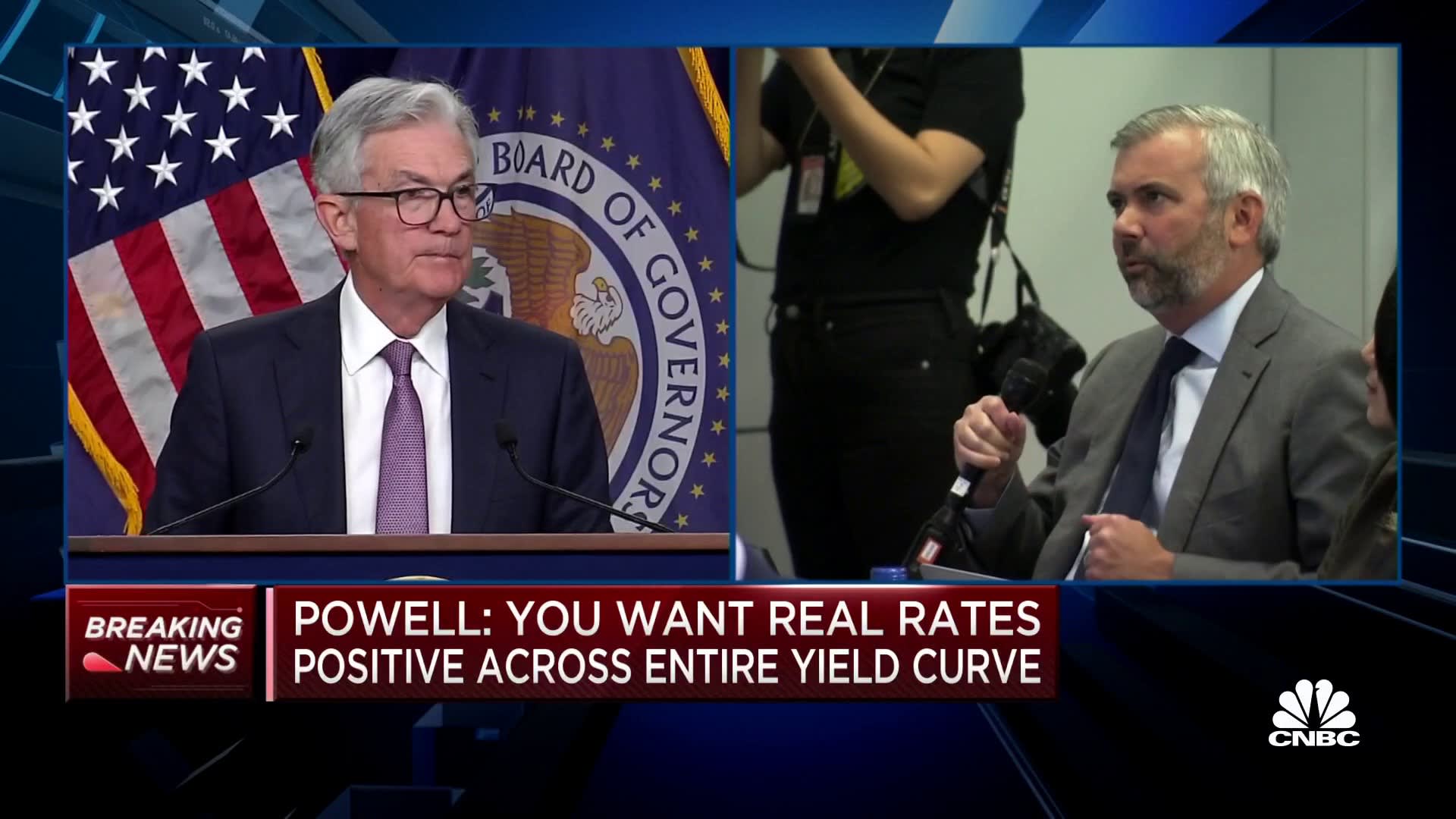
The world is preparing for a critical monetary week as major central banks, led by the U.S. Federal Reserve, gather to determine interest rates amidst an unprecedented oil shock. These meetings come at a time when the global economy faces significant challenges, making the decisions taken by these financial institutions crucial.
All eyes are on the U.S. Federal Reserve, one of the most prominent central banks in the world, where changes in interest rates are expected that could impact global financial markets. This step comes at a time when the economy is suffering from increasing inflationary pressures, raising questions about how these decisions will affect economic growth.
Event Details
The meetings are scheduled to take place in the coming days, where major central banks will assess the current economic situation. Analysts expect the U.S. Federal Reserve to raise interest rates in an attempt to curb inflation, which has seen a notable increase in recent months. If this decision is made, it could lead to widespread effects on financial markets and commodity prices.
In addition to the U.S. Federal Reserve, other central banks such as the European Central Bank and the Bank of England will participate in these meetings. Each central bank will address its specific economic situation, which may lead to coordination or divergence in monetary policies among these institutions.
Background & Context
Historically, interest rates have played a significant role in guiding the economy. In recent years, the world has experienced significant economic fluctuations, starting from the COVID-19 pandemic that affected all sectors, to the sharp rise in energy prices. These combined factors have led to unprecedented inflationary pressures, prompting central banks to reevaluate their strategies.
In this context, interest rates are a key tool for controlling inflation and promoting economic growth. However, raising interest rates can also lead to a slowdown in growth, making these decisions complex and challenging.
Impact & Consequences
If central banks decide to raise interest rates, financial markets are likely to be significantly affected. This could lead to increased borrowing costs, impacting both businesses and individuals. It may also result in volatility in stock and bond prices, heightening uncertainty in the markets.
Furthermore, these decisions could affect the prices of essential commodities, including oil and gas, potentially leading to higher energy costs. These changes may directly impact the lives of citizens, especially in countries that heavily rely on imports.
Regional Significance
The Arab region is among the most affected by changes in interest rates, as many countries rely on oil exports. If interest rates rise in the United States, this could increase borrowing costs for Arab countries, impacting development and investment projects.
Moreover, rising interest rates could lead to fluctuations in oil prices, affecting government revenues. Under these circumstances, Arab countries must take precautionary measures to ensure the stability of their economies.
In conclusion, this week represents a critical opportunity for central banks to determine the course of the global economy. The decisions made will impact all sectors, making close monitoring of these meetings essential.