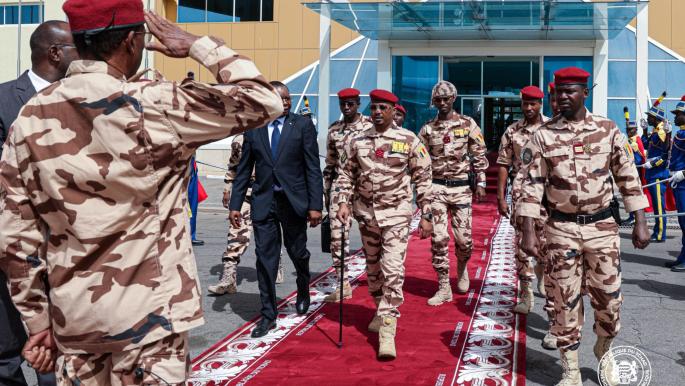
Chad has declared its intention to bolster its military presence in the Wadi Fira region, located on the border with Sudan, in light of the intensifying clashes between the Sudanese army and the Rapid Support Forces. This decision comes at a critical time when the region is experiencing increasing security tensions, necessitating urgent measures to protect its citizens.
The border between Chad and Sudan is witnessing heightened tension, with ongoing skirmishes between the Sudanese armed forces and the Rapid Support Forces, raising concerns about the implications of these conflicts on regional security. The Chadian government has confirmed that it will work to strengthen its military forces in the area to ensure the safety of its citizens.
Details of the Situation
In response to this escalation, local sources have reported that the Chadian government has already begun sending military reinforcements to the region, including units from the national army. Additional measures have also been taken to enhance checkpoints along the border, aiming to prevent any potential infiltration by fighters or those fleeing the Sudanese conflict.
These steps are being taken at a sensitive time, as the region is witnessing an influx of refugees from Sudan due to the ongoing conflict. Chad has expressed its readiness to accommodate these refugees, but the government emphasizes the need to maintain security and stability within its territory.
Background & Context
Historically, relations between Chad and Sudan have been strained, with the border between the two countries experiencing numerous armed conflicts. These conflicts have exacerbated the humanitarian situation in the region, prompting Chad to always prepare for any developments that may arise along the border.
In recent years, Chad has undergone significant political changes, with military authority being strengthened in the country. This shift may affect how the government addresses regional crises, including the Sudanese conflict.
Impact & Consequences
The reinforcement of Chadian military forces along the border could lead to increased tensions between Chad and Sudan, especially if these actions are perceived as a threat by the Chadian side. Furthermore, any escalation in the conflict may negatively impact regional security and increase the suffering of civilians in both countries.
On the other hand, these measures could improve the security situation in Chad, enhancing the government's ability to control internal conditions. However, humanitarian challenges will remain, particularly with the influx of refugees from Sudan.
Regional Significance
The events in Chad and Sudan are of significant importance to the Arab region, as any escalation in the conflict could affect stability in neighboring countries. Additionally, the humanitarian crises resulting from the conflict may necessitate international and regional interventions, complicating the situation further.
In light of these circumstances, Arab countries must closely monitor the situation and work to support peace and stability efforts in the region. Cooperation among Arab states could play a crucial role in addressing the increasing crises in the area.
In conclusion, the border between Chad and Sudan is witnessing rapid developments, necessitating urgent actions to ensure security and stability. Strengthening the Chadian military presence is a necessary step, but it also requires an effective humanitarian response to address the challenges arising from the conflict.