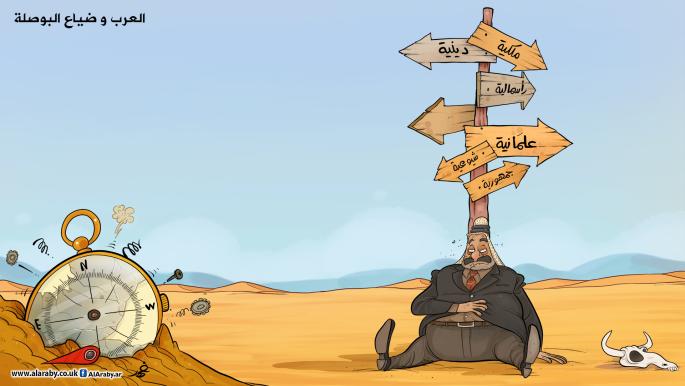
The Arab experience with modernity shows a clear resistance from wide sectors of its societies, where there are still dense layers deep within Arab society that modernity has not been able to reach. This resistance not only reflects a reluctance to change but also expresses a deeper struggle between tradition and modernity.
This phenomenon manifests in multiple areas, from education to politics and culture. While some Arab countries are advancing towards adopting modern concepts, other regions still live in the shadows of old traditions, hindering the process of social and economic change.
Details of the Event
Studies indicate that Arab societies, despite their repeated attempts to open up to the modern world, face significant challenges in accepting new ideas. Cultural and religious traditions play a key role in shaping the attitudes of individuals and groups towards modernity. Sometimes, this resistance is seen as a defense of cultural identity, making it difficult to achieve a balance between authenticity and modernization.
Moreover, the generational gap emerges, where the youth tend to be more open to modern ideas, while older generations remain attached to traditions. This dynamic leads to internal conflicts within societies, where some seek change while others cling to the past.
Context and Background
Historically, Arab societies have witnessed periods of progress and stagnation, with previous attempts to open up to modernity, such as the Arab Renaissance in the 19th century. However, many of these attempts faced strong resistance from traditional forces, leading to their decline.
In recent decades, with the emergence of technology and social media, opportunities for communication between cultures have increased, giving a new impetus to modernity. Yet, these opportunities have not been sufficient to overcome the deep-seated resistance that some communities suffer from.
Implications and Impact
The resistance to modernity significantly affects economic and social development in Arab countries. The absence of effective change hinders innovation and limits competitiveness in the global market. Additionally, adherence to traditions may lead to the proliferation of corruption and nepotism, exacerbating the economic gap between different segments of society.
Studies show that societies that embrace modernity more tend to enjoy higher levels of education and economic development. Therefore, the continuation of resistance may exacerbate social and political crises in the region.
Impact on the Arab Region
The resistance to modernity is a central issue in many Arab countries, affecting political and economic stability. Countries seeking change face challenges from traditional forces that reject any endeavor towards modernization.
Under these circumstances, it becomes essential to promote dialogue between generations and cultures, providing an environment that encourages innovation and change. Progress can only be achieved through understanding and cooperation among all components of society.
In conclusion, the Arab experience with modernity remains distorted, requiring integrated efforts to overcome resistance and build a future characterized by a balance between authenticity and modernization.