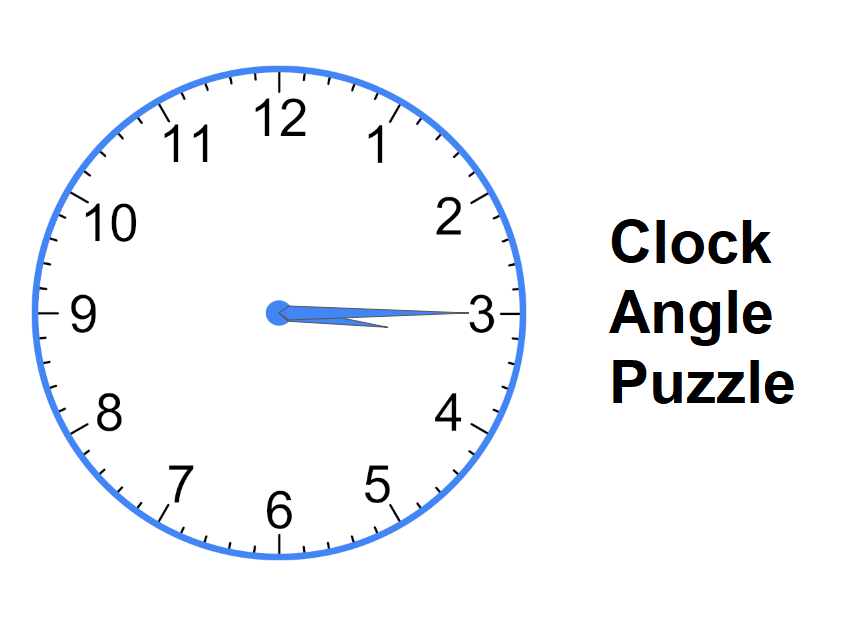
A new challenge is presented to puzzle enthusiasts, requiring them to find a mistake in an image of a clock within just 5 seconds. This seemingly simple puzzle tests participants' focus and accuracy.
This puzzle, which has spread widely across social media, has piqued the curiosity of many, as it features an image of a clock with intricate details. However, the hidden mistake that participants must discover may be more complex than it appears at first glance.
Details of the Challenge
The puzzle requires participants to use their observation and concentration skills, as they are asked to identify the mistake within the time limit. Many users have noted that this type of challenge helps improve focus and enhances critical thinking. Some have expressed their surprise at the difficulty of the puzzle, despite its apparent simplicity.
There are many puzzles that require quick thinking, and they have become a part of modern digital culture. This particular puzzle stands out due to its appealing design, making it interesting to many.
Background & Context
Historically, puzzles have been used as a means of entertainment and to enhance logical thinking. With the advancement of technology, these puzzles have transitioned into the digital world, where they have become popular on social media platforms. Digital puzzles are not just a means of entertainment; they are also considered effective educational tools.
In recent years, digital puzzles have seen widespread popularity, as users share them online, creating a community of puzzle enthusiasts. This type of challenge fosters social interaction, as friends and family come together to attempt to solve puzzles collaboratively.
Impact & Consequences
Puzzles like this one are considered effective tools for stimulating critical thinking and enhancing observation skills. In a rapidly changing world, where pressures are increasing, these puzzles can serve as a way to relieve stress and stimulate the mind. Additionally, participating in such challenges strengthens social bonds among individuals.
Moreover, digital puzzles contribute to improving memory and concentration, making them beneficial for people of all ages. Amid daily challenges, these puzzles can provide an enjoyable mental break.
Regional Significance
In the Arab region, interest in digital puzzles has increased, with many sharing them across social media platforms. This trend reflects people's desire to interact and communicate with one another, in addition to enhancing critical thinking. Puzzles also provide a means of learning and entertainment simultaneously.
This phenomenon is part of modern digital culture, where individuals seek to use technology positively. Digital puzzles also reflect a trend towards innovation and creativity in the Arab world, contributing to the development of individuals' skills.
In conclusion, this puzzle represents an enjoyable challenge that tests participants' focus and accuracy. With the growing interest in digital puzzles, we can expect to see more of these challenges in the future, enhancing social interaction and stimulating critical thinking.