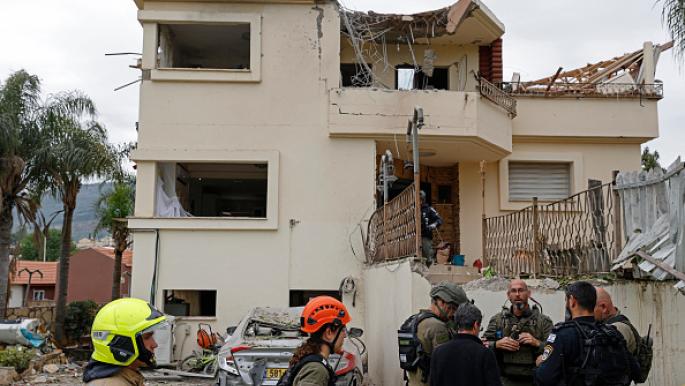
Concerns are rising within Israeli military circles regarding the escalating threat posed by the drones launched by Hezbollah towards the occupying forces in southern Lebanon. Recent media reports have shed light on the difficulties faced by the Israeli army in countering these unmanned aerial vehicles, reflecting growing anxiety about the army's ability to secure its borders.
The drones utilized by Hezbollah are part of its advanced military strategy, characterized by their capability to conduct reconnaissance and offensive operations with high effectiveness. Reports indicate that these aircraft can bypass Israeli air defense systems, complicating the security situation along the border.
Challenges Faced by the Israeli Army
The challenges confronting the Israeli army in countering the drones encompass several aspects, including technical and tactical dimensions. Reports have shown that the army suffers from a lack of advanced systems capable of effectively dealing with these aircraft. Additionally, the tactics employed by Hezbollah are innovative, making it difficult for the Israeli army to adapt.
Recently, multiple drone launches by Hezbollah have been observed, raising significant concerns within Israeli military circles. Some experts have suggested that these operations could be part of a broader strategy aimed at enhancing the party's military capabilities in response to Israeli threats.
Background & Context
Historically, Hezbollah has utilized drones as a means to bolster its military capabilities, especially following previous conflicts with Israel. As tensions in the region escalate, the use of these aircraft has become an integral part of its defensive and offensive strategy. Moreover, technological advancements in drone manufacturing have contributed to increasing the effectiveness of these weapons, posing a real threat to the Israeli army.
Furthermore, the geopolitical situation in the region plays a significant role in enhancing Hezbollah's capabilities. Collaboration with countries like Iran, which provides technological and financial support, strengthens the party's ability to develop its weapons, including drones.
Impact & Consequences
The repercussions of these challenges extend beyond Israeli borders, affecting regional stability as a whole. Hezbollah's increased capacity to utilize drones could lead to heightened tensions in the area, increasing the likelihood of new conflicts. This situation may also impact relations between Israel and neighboring countries, particularly those that support Hezbollah.
Moreover, the challenges faced by Israel in countering the drones may push it to develop new strategies in air defense, potentially leading to a new arms race in the region. This, in turn, could affect regional security and complicate political situations.
Regional Significance
This situation represents a significant challenge for many Arab countries, as the rising tensions between Israel and Hezbollah could impact security and stability in the region. Additionally, this scenario may raise concerns for countries striving for peace and stability, complicating peace efforts.
Ultimately, the challenges faced by Israel due to the drones launched by Hezbollah reflect a significant shift in the balance of power in the region. As these challenges persist, it will be essential for Arab countries to adopt effective strategies to address these escalating threats.